Iceland Belongs On Every Bucket List

The Gullfoss waterfall

Be prepared for cold*. Be prepared for rain, sleet, snow and wind. Be prepared to be blown away (figuratively). Be prepared to be awed.
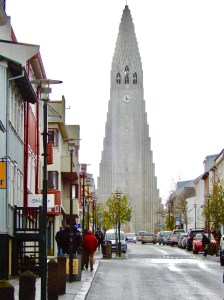
Hallgrimskirkja Cathedral

Before we visited Iceland we were told several times that this place has a beautiful Summer but unfortunately nobody can be sure when that week will be. During our late May visit temperatures probably averaged in the high 20’s to low 40’s but with winds often gusting at 30 and 40 mph it really seemed much colder.

You have to ignore the weather and let this country just overwhelm you. Reykjavík is a beautiful, clean and an easy city to walk around in. The centerpiece of the city is the Hallgrimskirkja (the Presbyterian Cathedral) standing almost 245 feet tall in the middle of town it towers over Reykjavik. The spire is open to the public with breathtaking vistas taking in the whole city and surrounding countryside.

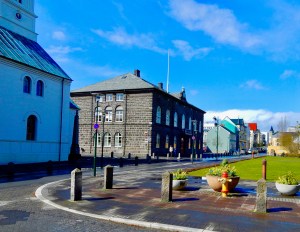
The Harpa Opera House

The Opera House, Harpa, stands at the edge of the Reykjavik Harbor and is Iceland‘s biggest concert hall suitable for a broad range of concerts and cultural events. The city is also home to the Imagine Peace Tower dedicated to John Lennon. It is a work of art conceived as a beacon to world peace by Yoko Ono. The work is designed in the form of a wishing well from which a powerful tower of light beams into the night sky.

Central Reykjavik

Eating in Reykjavik can be an exotic experience considering some of the popular foods of this country (roasted puffin, sheep cheeks) but one stand out item is the famous Icelandic hot dogs. The most famous location is the Baejarins Beztu Pylsur (pylsur means hot dog) stand located downtown just two blocks toward the water from the park in front of the government building. Most people order them “all-the-way” which includes a crunchy onion based relish, ketchup, a remoulade sauce and sweet mustard on a steamed bun. We just followed the trail of people walking up the street eating hot dogs and found them worth searching for. It is worth noting that most hot dog stands have no seating indoor or out and the only option is to order at the window and eat while walking away. We were also told you can order your hot dog  Bill Clinton style which is with just mustard.

Take the time to visit Reykjavik’s many museums  which offer insight into this country’s fascinating Nordic History. Start with the  Saga Museum  for a look into how the Vikings fought and lived with displays of wax figures depicting scenes of the earliest settlers (circa 874 AD).  The National Museum displays more than 2,000 artifacts from the ninth century to the present.  For a different experience, live actors at the open-air Reykjavik City Museum -Arbaejarsafn offer scenes of how settlers lived in the old days in an open-air museum, and it traces the development of Reykjavik and Iceland from their beginnings to today.

Not far from Reykjavik there is a famous geothermal bathing lake known as the Blue Lagoon. The mineral-rich thermal waters are a perfect 104 degrees Fahrenheit, and the minerals and algae in the water are supposed to improve skin and even cure psoriasis. The Blue Lagoon is a great way to spend part of an Icelandic afternoon. 

To get the real impact of this remarkable land you need to get out into the country where you can experience the real wonder of this unique place. Driving across Iceland you are immediately struck by the stark beauty of its landscapes. Snow covered tundra backed up by rugged snow-capped mountains.

Iceland is geologically a unique place. The island is an active geothermal area and the Icelanders have been very successful at making use of this geothermal activity to generate electricity, heat their cities and warm greenhouses to grow produce. The island of Iceland is also actually growing bigger as the North American tectonic plate is pulling away from the Eurasian plate causing a rift valley of new exposed land. What is exposed is an opening between the two plates featuring a walkway where you can stroll along Earths newest real estate. Iceland’s Þingvellir National Park is located on this exposed rift between the two plates where you can stroll along a walkway through the rift and Earths newest real estate.
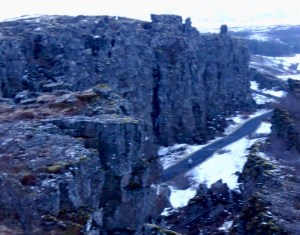
Path thru the rift

One of the most popular trips you can take to see some of the countries most interesting sights is known as the Golden Circle tour. The three primary stops on this route are the Þingvellir National Park, the Gullfoss waterfall, and the geothermal area in Haukadalur, which contains the geysers Geysir and Strokkur with Strokkur erupting every 5–10 minutes.

Haukadalur geothermal area

The Gullfoss waterfall
Gullfoss waterfall

The highlight of most tours is the Gullfoss waterfall. An amazing multi-tiered waterfall dropping from the river and halfway down makes a hard right angle turn before falling again into the deep gorge. The landscape surrounds you with that typical Icelandic starkness cut in half by the energy of this amazing waterfall.

Eyjafjörður fjord in North Iceland leading to Akureyri
A shopping street in Akureyri in northern Iceland

Two hundred miles northeast of Reykjavik is Akureyri, Icelands forth largest city and a popular home base for exploring Northern Iceland. Again the landscape is the major attraction with three more waterfalls within fifty miles of Akureyri. The incredible Dettifoss, Aldeyjarfoss and Goðafoss Waterfalls.

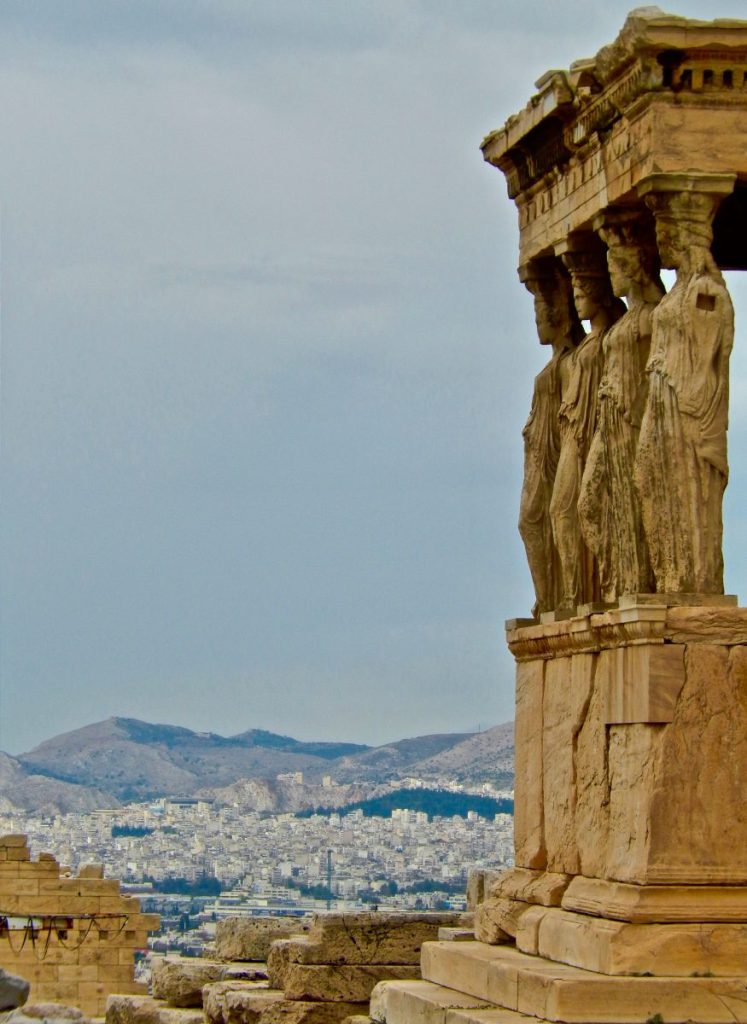
Images of The Acropolis In Athens

Photographic impressions from our travels near and far…

The Porch of the Maidens on the Acropolis stands watch above modern Athens
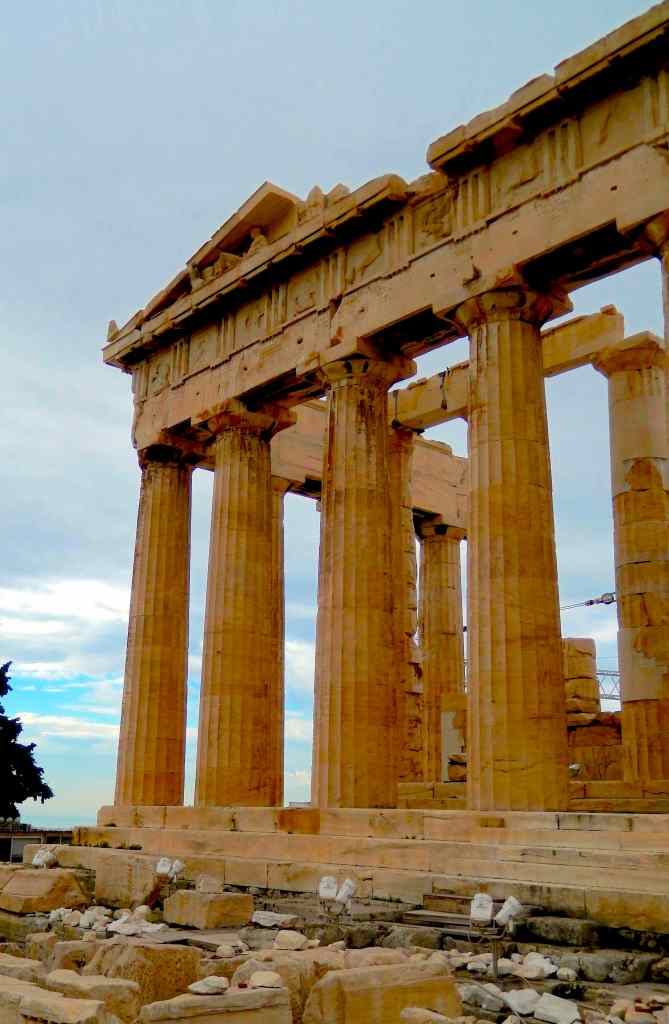
The Parthenon
Temple of Hephaestus

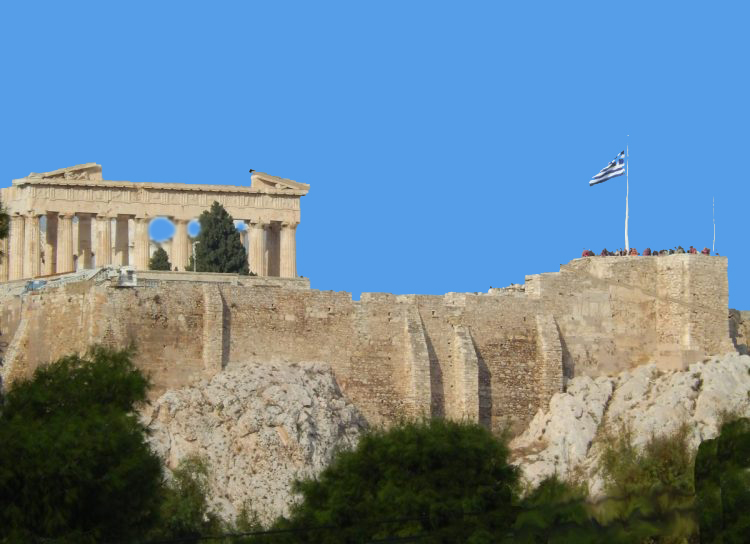
The Athens Acropolis • Most people relate the Acropolis with Athens but an acropolis is actually a Greek word meaning a citadel or a fortified section of a Greek city. It is typically built on high ground or on a hill. Most Greek cities in the fifth century BC had an acropolis.

Dating back to 500 BC, this high rocky ground in the center of Athens, while famous for its incredible temples, is more noteworthy as the birthplace of the very concept of democracy. If you get the chance to visit spend some time marveling at the structures but also reflect upon those people who changed the way we think about government.

Looking up at the Acropolis from the city below


Standing Watch Above The Rhine

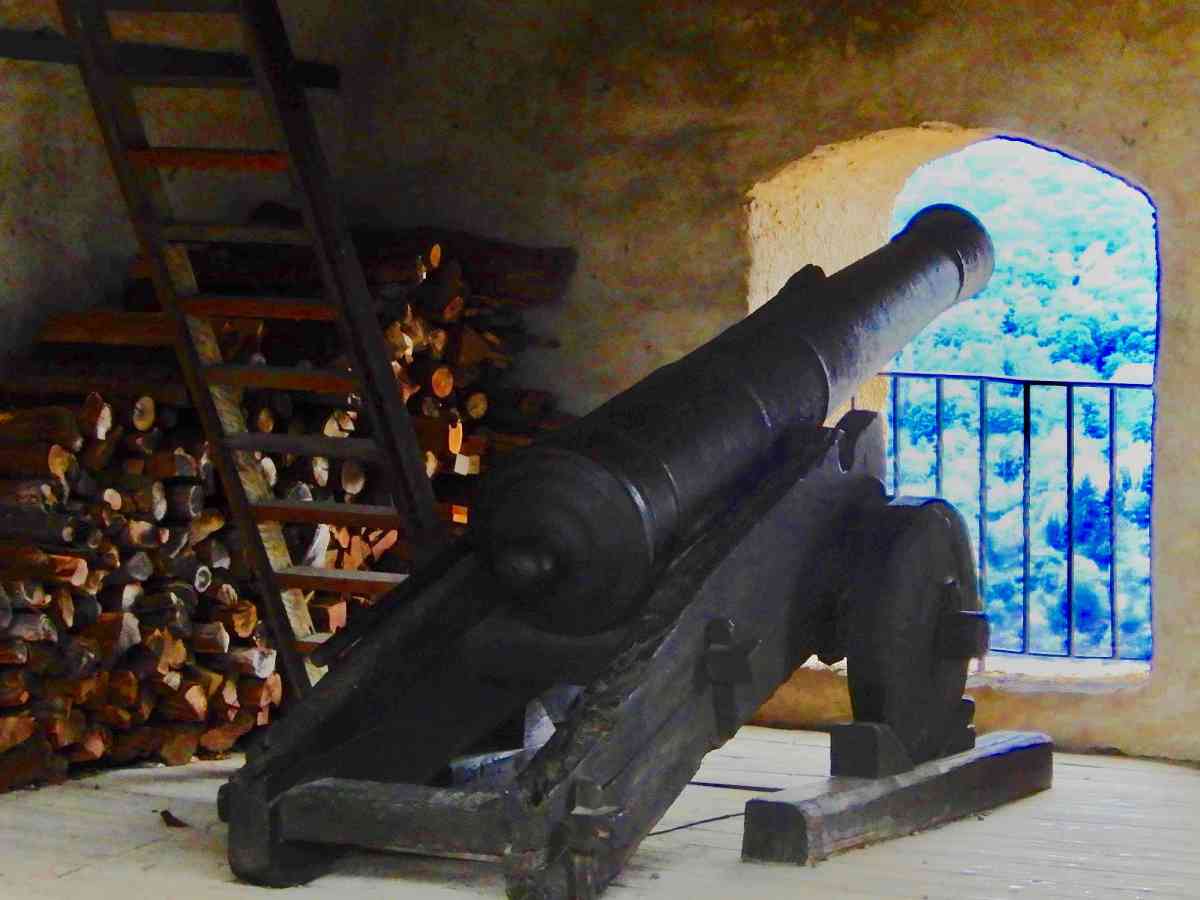
People, places and captured moments selected from The Intentional Travelers photo collection. Marksburg Castle on the Rhine River Marksburg Castle, a majestic fortress located above the town of Braubach in Rhineland, Germany. This castle holds the unique distinction of being the only hilltop fortress on the Rhine that has never been captured or destroyed. Originally…

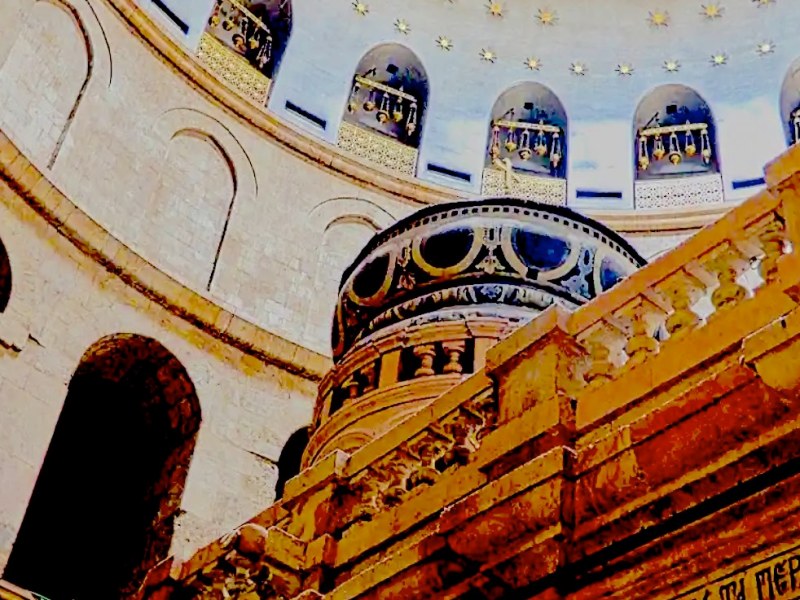
The Church of the Holy Sepulcher

The History Behind The Celebration Of Easter Without question the holiest site in all of Christendom is located in the Christian Quarter of Jerusalem. It represents the location where Jesus was crucified and where his body was laid to rest. Today there is a high level of certainty that the location has been actually identified.…


In Praise of Public Transportation

Often Americans traveling internationally are amazed at the public transportation they encounter. From metro rail systems to street cars to modern bus fleets and even ferries it’s hard to believe how many cities have really impressive public transportation. With a few exceptions, Americans are just not accustomed to efficient, clean and economical public transportation. While there are explanations for what happened to American metropolitan transits systems, sadly it seems unlikely that the trend can be turned around in America any time soon.

Budapest
Amsterdam

As you travel internationally as an American, at the very least, you need to learn to embrace these great public transportation systems where ever they are available. The first advantage in using public transportation is you can save a lot of money over using taxis and shuttles. You can also often save time too and it can provide wonderful opportunities to meet local people.

If you are intimidated by the idea of using foreign metro systems, don’t be. Today virtually all of them use automated ticket vending systems with instructions available in a large number of languages. Many also have maps printed in a number of languages with station and lines color coded to match the maps displayed onboard trains and buses. A little research (this website is a good place to start) can supply good information on routes, getting to attractions, which tickets to buy and the availability of special tourist day passes. Below are some metropolitan systems of particular note and you can download good pdf maps by clicking on the map illustrations.

Singapore MTA

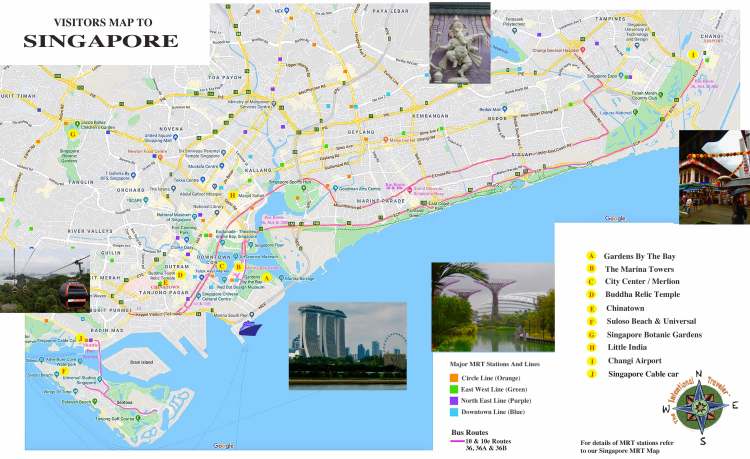
Singapore MTA – One of the worlds truly great subway systems is the Singapore MRT and it is a solid innovator. Many of their systems are recognized and implemented worldwide. If you are lucky enough to get to Singapore for a visit you must use the MRT to get around the city. From the time you arrive at the airport you can take advantage of this remarkable transportation system.

Here’s an additional map of Singapore that includes major bus routes of interest to visitors.

Hong Kong – If you’re visiting Hong Kong for a few days or visiting on a cruise don’t hesitate to take advantage of this cities fantastic metro system. It’s clean, easy to understand and most signage includes English. The people are also friendly and eager to offer assistance.

BUTTON

Sydney Australia – If you are planning a trip Down Under with some time in Sydney, you need to build your plans around their great public transportation. Like most large cities, buses are plentiful but Sydney also boasts a metro rail system and an express system called “Light Rail” that connects most major parts of the metropolitan area. There’s a regional conventional railroad network along with a fantastic ferry system criss-crossing Sydneys beautiful harbor. The metro and light rail boasts frequent service and cars that are modern, clean and comfortable.

Rome – There are a number of ways to get around Rome from regional and commuter trains that can get you to the airport and Rome’s seaport, to the cities Metro that cuts two paths across the central city. The Metro can get you quickly from St. Peters to the Piazza Spanga, The Spanish Steps, The Forum and the Colosseum with an inexpensive tourist pass.

Amsterdam – The central city is laid out with half-circles of canals radiating out from the Central Train Station. A light rail Tram system also begins at the Central Train Station and looks like spokes passing through the arcs of the canals. Tickets for trams and buses are by OV-chipcards loaded with money for timeframes. product. 1 hour for €3,20, 24 hours for €8.00 to 168 hours for €36,50. You can buy these from a machine at places like metro stations or a number of city shops.

CLICK MAP TO DOWNT PDF COPY

Budapest – Budapest has a very efficient and inexpensive metropolitan transit system. The best option if you are going to be spending a few days in this city, is to get a Metro “day pass” which averages about $6.00 per person per day and is available in one, two and three day passes. A day pass operates on a 24-hour cycle so if you buy one at 10:00 am it can be used until 10:00 am the next day. While Budapest is a large city with streets that seem in a tangle the tram and subway routes are pretty easy to understand and once you orient the routes to the major sights Budapest is pretty easy to navigate. Because of the tangle of secondary streets going in all directions walking is a bigger problem and a map app on a cell phone is a must have.

CLICK TO DOWNLOAD PDF MAP

Paris – While Paris boasts one of the worlds oldest and largest subway systems (Metro) that includes 14 city lines, 2 Tramways and 6 RER express lines it strikes most visitors as just overwhelming especially with the language barrier. If you focus on the Metro lines, where you want to go and eliminate the clutter of other lines it becomes more manageable. We provide a simplified map that helps better navigate the Paris subway systems.

CLICK TO DOWNLOAD PDF MAP

What really happened to American public transportation?

In the 1930’s a General Motors subsidiary called National City Lines bought a number of municipal trolley car systems from cities like Philadelphia, Baltimore and Atlanta and before too many years, those street car operations were closed down. Initially most of those streetcars were replaced by metropolitan bus services because buses were much less expensive and more adaptable to changing route requirements. By the 1950’s most of those regional bus systems were thriving but there were ominous trends developing.

Singapore MTA

There are stories that suggest that GM and other car companies embarked on a plan to destroy mass transit in America in order to sell more automobiles, but that conspiracy is a bit too simplistic.

Suburban Expansion and Automobile ownership In post World War II America, returning G.I.s were finding unlimited opportunities and plenty of good paying jobs. A phenomenon known as suburban subdivisions were spreading across the American landscape and people were moving out of large cities into these new suburbs. In this explosive transition period metropolitan transit authorities were having difficulty figuring out how to expand service into the new suburbs while keeping up their city service. By 1960 the number of families that owned an automobile increased seven fold in just over a decade. Unlike the rest of the world America’s prosperity had everyone falling in love with automobiles.

Interstate Highway System

To exacerbate things even more the U.S. government embarked on a massive program to build a nationwide high-speed interstate highway system* and Americans took to those highways with a passion.

Budapest subway

Europe didn’t see anything like what was happening in America. Instead of focusing resources and assets into expanding out of the cities, Europe was working at rebuilding and restoring the cities that were ravaged by the war. There were very little resources available outside of that goal. Probably because of this European effort to rebuild the cities, restoring and updating public transportation in metro areas was a key component. It is these differences that set Europe and America on completely different courses regarding public transportation evolution.

*While directing the war in Europe, General Eisenhower realized that moving armies across the countryside was a major problem caused by of a lack of good roads. Moving troops to set up defenses or attack a position was often a strategic nightmare. After returning to the United States and becoming President, Eisenhower pushed for the creation of an interstate highway system with the real goal of efficiently deploying military units in defending America. So while the average American was thrilled over travel on the new super highways, most people never realized the real reason behind the proposed system.

Images of Alaskan Glaciers

Photographic impressions from our travels near and far…

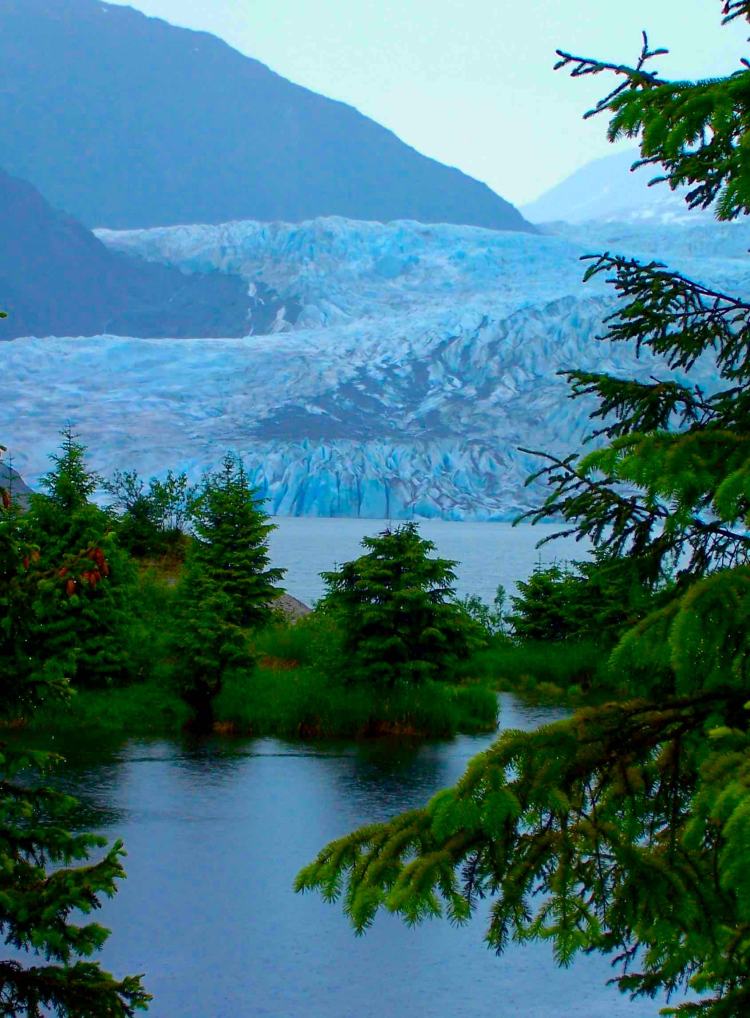
Mendenhall Glacier
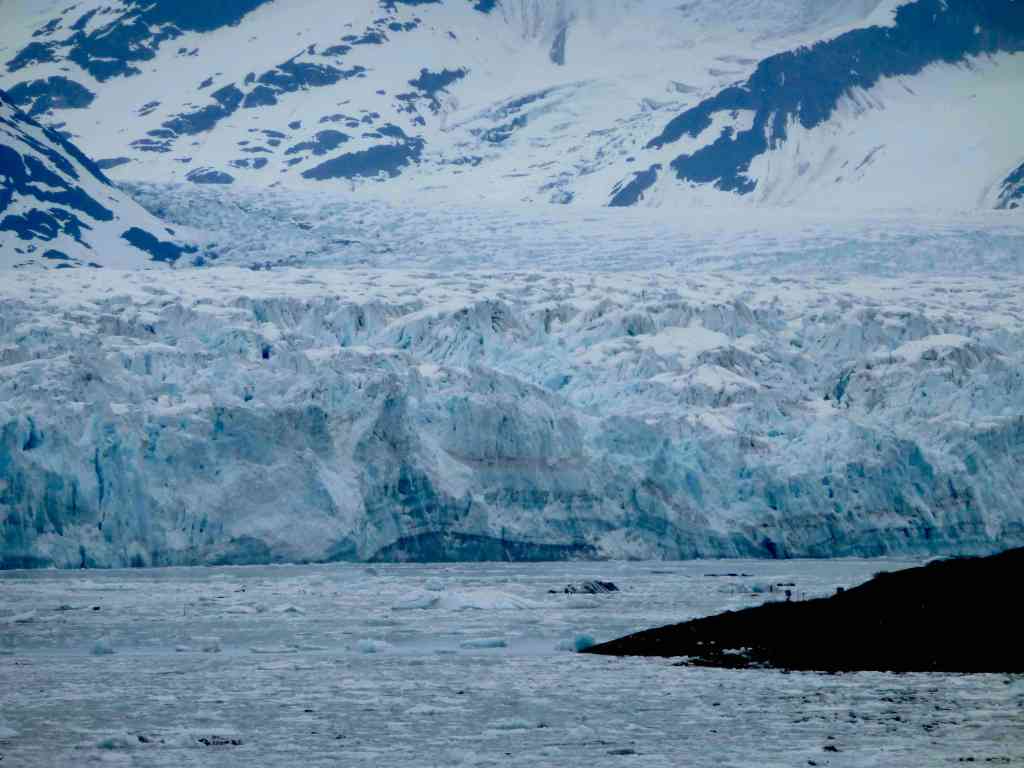
Hubbard glacier

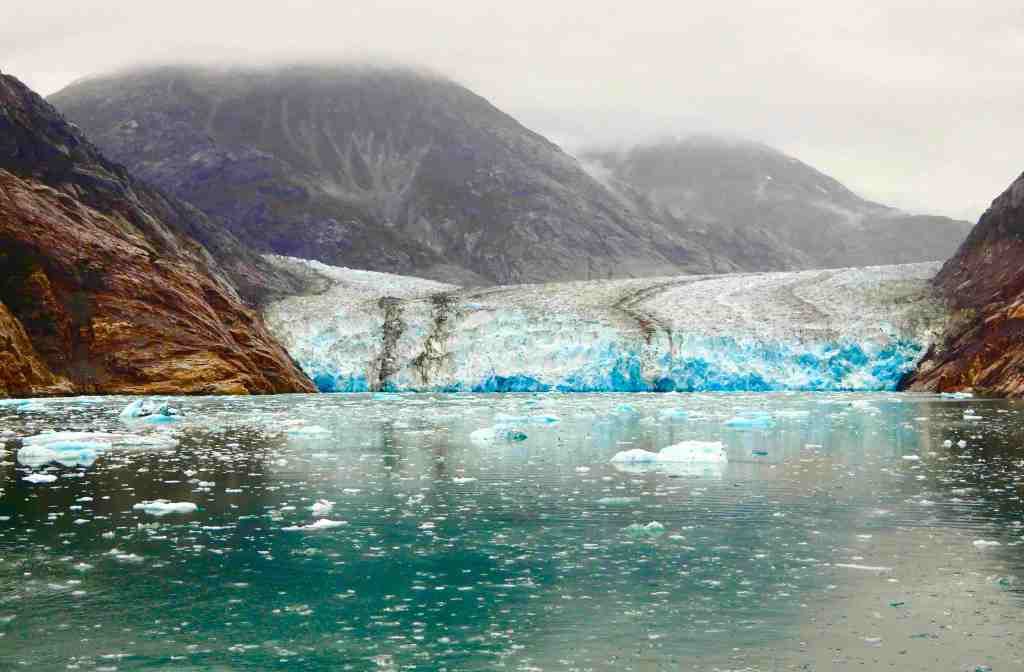
In the neighborhood of the North Pole – A Land of Flowing Ice – The bright blue color in the glaciers comes when pristine snow falls on the ice fields and is compressed over thousands of years by the weight of new snow falling year after year. The weight of all this snow compress the snow into ice and the snow and ice pushes the glacier forward and through the lower landscape.

Above is Dawes glacier calving into an arm of the Misty Fjord. To the immediate left is Mendenhall Glacier located just a short bus ride out of Alaska’s Capital of Juneau. The bottom photograph is Hubbard Glacier and popular with Alaska cruises as the ships get up near the glacier face to watch tons of ice fall into the sea.

FYI – global warming is only a very small part of the cause of glaciers receding. The force that pushes glaciers forward is new snow fall, while the leading edge either falls into the sea or is melted by summer temperatures. With reduced snow fall the glacier recedes more quickly. Many glaciers around the world are still growing.


Exploring South America

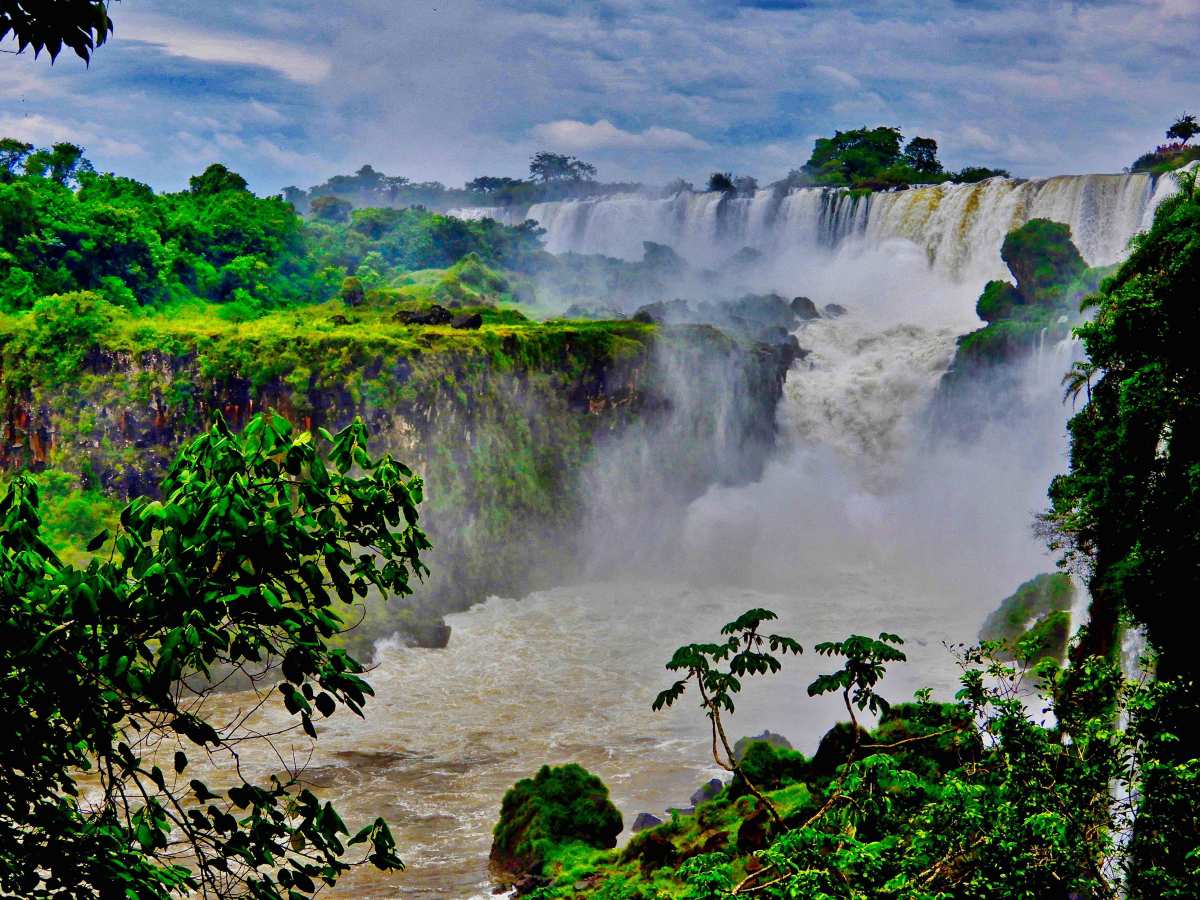
with From Cartagena, Columbia to Ushuaia, Argentina the South American continent is an amazing land of natural wonders and human accomplishments. Explore the islands of the Galapagos or hike around Iguazu Falls, climb up to Machu Picchu or cruise through the Panama Canal. You can even cast off for a trip to Antarctica or walk…


Images of Venice

Photographic impressions from our travels near and far…

Across the Lagoon
Saint Marks
The Grand Canal

Venice Italy • There are not enough superlatives to describe the experience of visiting this island city on the Italian Adriatic.

The nobility of Venice created a myth that their city was founded by refuges fleeing Troy after the Trojan War. While not true, Venice has been a city for well over a thousand years. In the year 992, Venice earned special trading rights from the Roman Byzantine Empire in return for accepting Byzantine sovereignty. The city became incredibly rich, and independence was gained in 1082. The twelfth and thirteenth centuries saw Venice established as a major trading empire with outposts over much of the Mediterranean.

That immense wealth is still the foundation of modern Venice and is on display in its Cathedrals, palaces, squares and canals. Everyone needs to visit Venice at least once in their life.


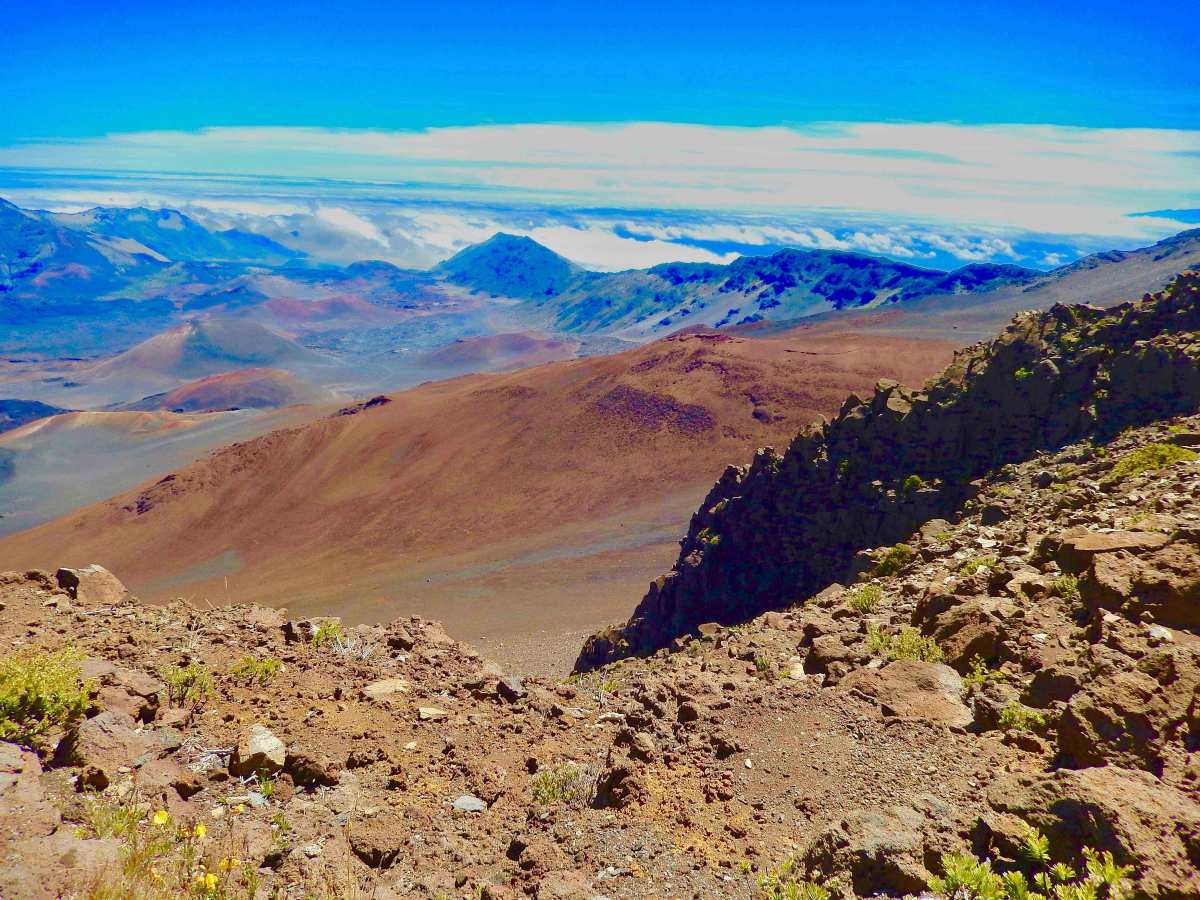
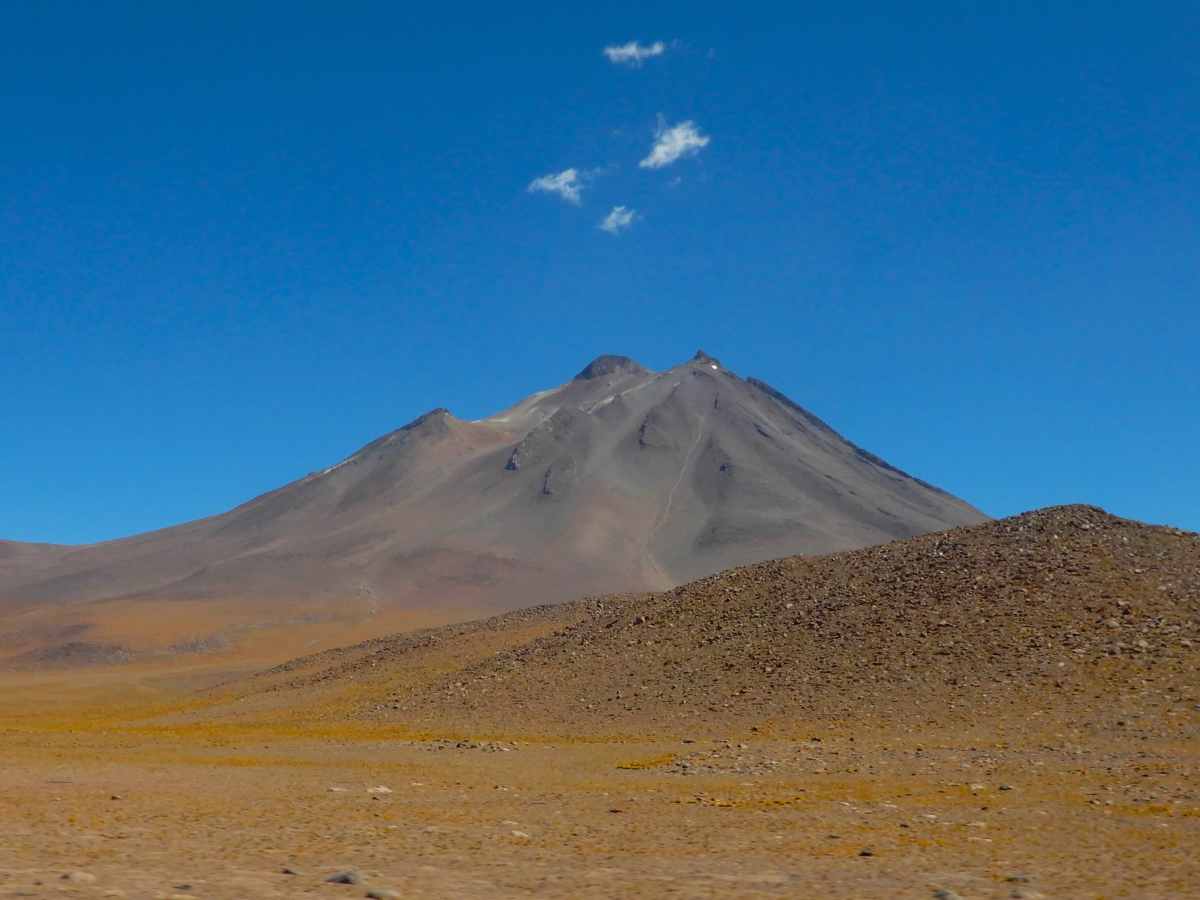
Where In The World #5?

It seems so other worldly, like Mars or the Moon but it’s right here on Earth. It’s so alien that the NASA space program uses it to test rovers and other equipment. Find the answer HERE. Here Are A Few Of Our More Recent Postings You might Find Interesting…


Images of Bangkok’s Grand Palace

Photographic impressions from near and far…

The Grand Palace (Thai: พระบรมมหาราชวัง ) is a complex of buildings at the very heart of Bangkok, Thailand. The palace has been the official residence of the Kings of Siam (later Thailand) since 1782. The Grand Palace grounds take up 2.35 million square feet in the middle of the city and include the palace and a number of temples that include the Emerald Buddha, considered to be the most important image of Buddha in Thailand.

Entering the palace grounds require an admission fee (about $15) and the grounds are closed to the public at times for official events.