The first stop on the current itinerary finds us 850 miles due west of Portugal on a volcanic archipelago consisting of nine major populated islands. The islands are a possession of Portugal but are characterized officially as the Autonomous Region of the Azores (in Portuguese they are Açores). Considering the autonomy we found it odd that there appears to be an independence movement declaring itself with stencils on a number of walls. One local described that as people with nothing better to do and few take it seriously.
Geologically the archipelago sits over an ancient hotspot on the Gibraltar Ridge near the eastern side of the Mid-Atlantic Rift. There is still geo-thermal activity on the islands in the form of warm springs and mud baths. A short drive outside the city of Ponta Delgada are the blue and green twin lakes in a dormant caldera which have become a major tour destination.
Because of their proximity to the Gulf Stream the archipelago has an amazing climate. Year round the average high temperature ranges from 65° to 78° and it rarely makes it to the low eighties. There has also never been a recorded temperature near freezing. Because of this the foundations of the economy are agriculture, fishing and dairy farming with tourism recently developing into a major new sector. One of the major cash crops is pineapple with grape vineyards also being important.
Ponta Delgada is the largest city in the archipelago and you have to admire a city where all the streets and sidewalks consist of mosaics of black and white rock pavers. Maybe this has a practical explanation but the artistry involved left us stunned. I’m not sure we have seen anything like these before. The pace of life here seems relaxed with numerous outdoor cafes and restaurants. As is expected, seafood is the cornerstone of the diet with a decidedly Mediterranean flavor.
Not surprisingly the islands occupy a strategic position in the North Atlantic with a fifteenth century fortification protecting Ponta Delgada harbor. During the Second World War the Allies used the islands as a base to protect the sea lanes and were a base for airplanes hunting German submarines. Even today the United States Navy uses them as a refueling station for ships and aircraft heading back and forth across the Atlantic.
Convent and Shrine of the Lord Holy Christ of the Miracles.
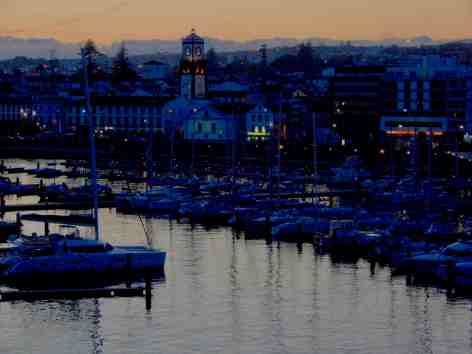
Because of the location of the archipelago it is on the migration route for a number of whales and other sea mammals as well as a favorite wintering location. Blue whales, Sperm whales and Humpbacks are frequently sighted and whale watching is a growing attraction for tourists. The city has a number of impressive Catholic churches and a beautiful theatre which seems to favor ballet, symphonies and opera singers. Ponta Delgada is also a favorite stop for yachts and ocean racing sailboats and the waterfront and Yacht Club area is a good place in the evening to sit and enjoy a coffee or glass of local wine or port.
The United States State Department has a program to help you while you travel internationally. Travelers are urged to enroll in the Smart Traveler Enrollment Program (STEP) to receive security messages and make it easier to locate you in an emergency. The State Department uses security messages to convey information to you about terrorist threats, security incidents, planned demonstrations, along with information about natural disasters.
Enrollment is free and it creates an account that includes your contact information along with how to get in touch with your emergency contacts should something happen. You use the account online to update your travel information before and while you travel, which is automatically transferred to embassies and consulates near your travel locations.
Sometimes having Big Brother watch you might be a good thing…
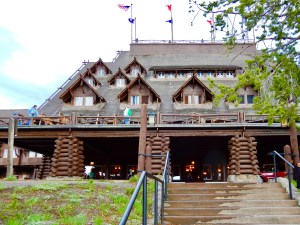
The Old Faithful Lodge is the original lodge in the very first National Park in America, making it a popular destination for well over 100 years.
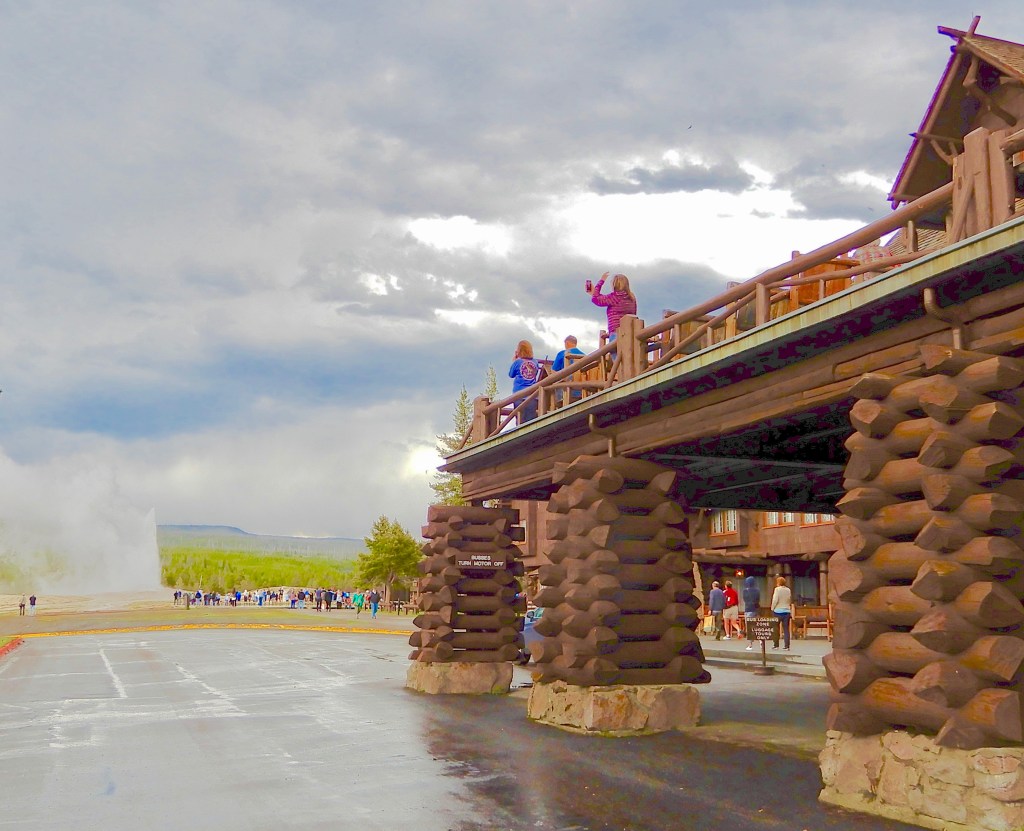
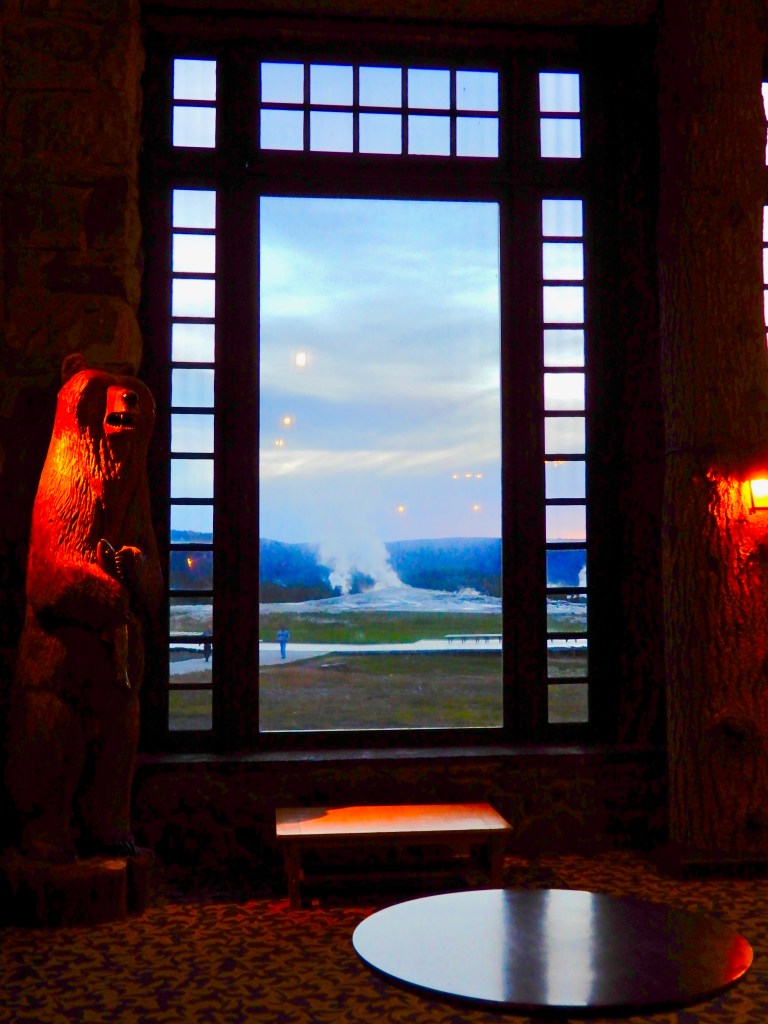
The Old Faithful Inn sits right in the middle of one of Earth’s most active geyser fields and very near its namesake, the Old Faithful geyser.
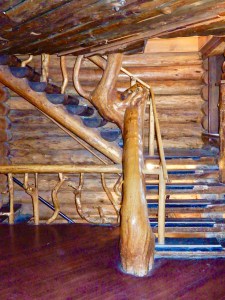
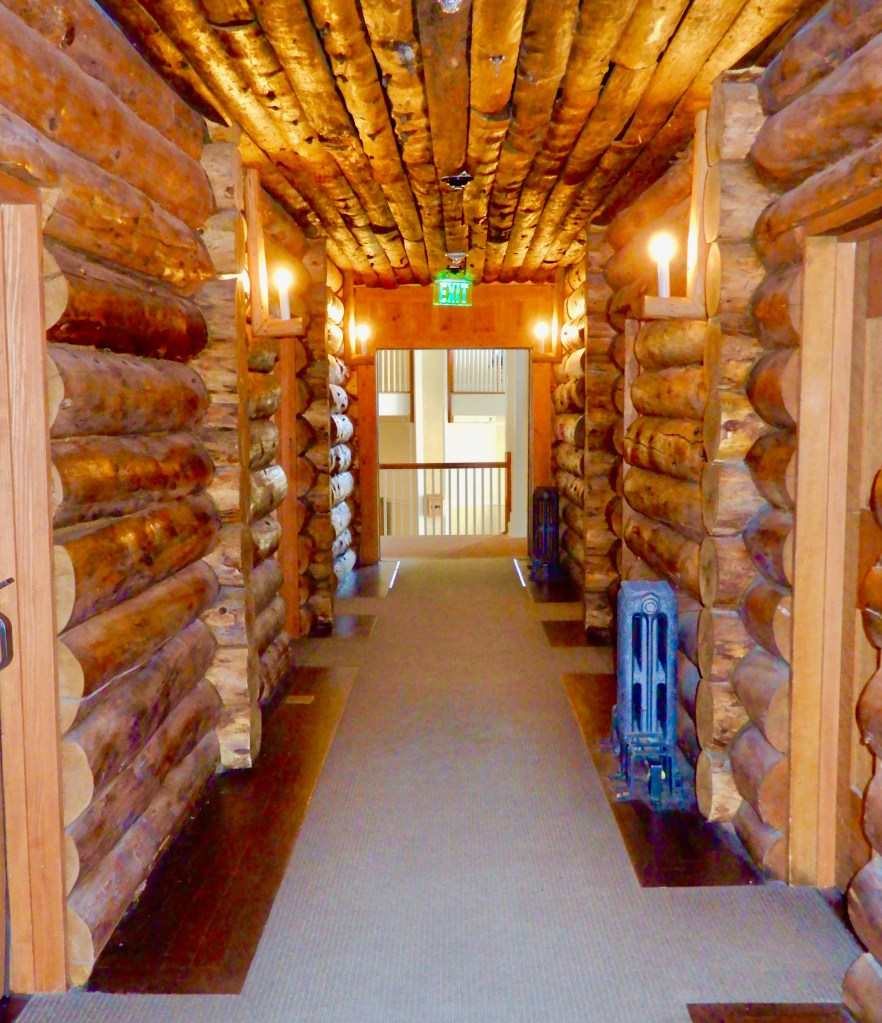
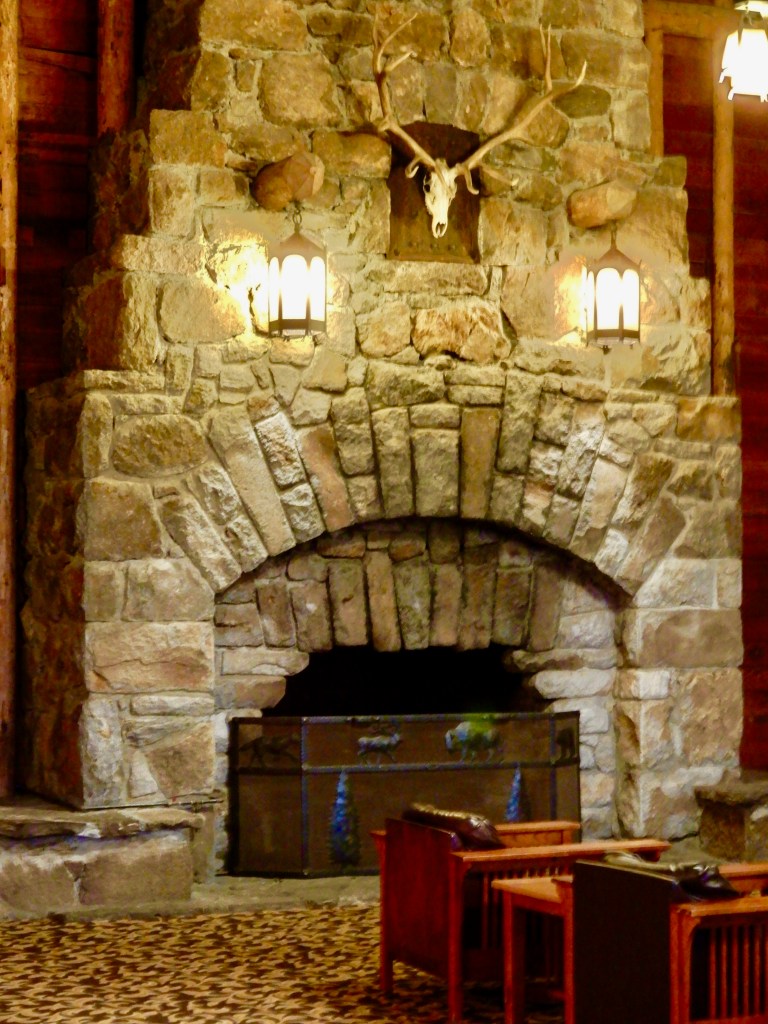
Named after the largest and most regular geyser in the basin the inn started construction in 1903. The Old Faithful Inn epitomizes the use of rustic architecture on a large scale and has become a model for high end rustic architecture. Construction was done using local stone for the building’s foundation, and local lodgepole pine logs for its walls. Craftsmen framed the windows and stairways with gnarled wood selected for its beauty and character. It was designed by architect Robert Reamer, and the inn combines rugged materials and organic motifs in a way that expresses both frontier sensibilities and elegance.
The Old Faithful Inn opened in 1904, and was equipped with electric lighting, but Reamer designed the light fixtures to look like candlesticks. Both the electricity and the radiators were fueled by a unique steam generator. Dinner was accompanied by a string quartet (which is still feature of the lodge), and dancing was customary on most nights. The east wing was added in 1919 and the west wing was added in 1927, both under Reamer’s supervision, bringing the inn’s total number of guest rooms to 340. Since that time annexes have been added to increase occupancy and provide for park staff.
View from our window toward the general storeOld Faithful in the distanceHallway outside our roomVintage ToursLobby fireplaceOld Faithful from the cafateria
Just being in the Upper Geyser Basin is the experience of a lifetime and spending time at the inn is just icing on the cake. The lodge is a magnificent structure with a lobby that stands four stories high with numerous seating areas, a huge fireplace and includes a main dining room, a snack bar and a bar that features light fare. The rustic architectural details are worth special attention and there is a front deck where you can sit and view the geyser shows.
It seems almost a requirement to have at least one meal in this historic log dining room with its impressive stone fireplace, as much for the ambiance as the food. The best buys are a buffet breakfast, a lunch along with a buffet option for dinner. There are several other eating options in the main lodge including a snack bar as well as out-buildings. The general store just down the hill has a good lunch counter and there is a cafeteria in the newest building off to the side of Old Faithful.
Room and food prices are not really excessive considering the location. There is, however, very little to brag about in the Spartan guest rooms that offer no air conditioning, no TV or WiFi, but luxurious accommodations are not what draws people here.
There is one serious issue with The Old Faithful Inn – getting reservations. Officially reservations are made through the National Park Service, but there is very little chance of getting a room. Booking for each year has a start date but within hours the entire year is booked out. Most of the reservations are quickly taken up by tour companies and independent brokers. Land tours to Yellowstone with a stay at the inn are big business with a number of excursion buses there every day. Talking to a NPS representative we were given the names of a couple of booking companies where you’ll pay a “convenience” fee in making a booking.
These are interesting times we live in when it comes to financially protecting ourselves. Just the simple pastimes of shopping and travel can expose us to financial fraud and it does seem to be getting worse. A couple of years ago our son and a friend where cruising with is and the ship stopped in Mexico. On the pier they took advantage of telephones advertising ten minute calls to the U.S. for $5. When they got home they were each notified that they had gone on a shopping spree in Romania and when the charges for the phone came thru they were for over $30 instead of the advertised $5.
Over the years we have been notified a number of times about unauthorized use of our credit cards along with one an incident of identity theft. Once someone bought gold coins online shortly after we left the country (several days before that a rental car agent had everything needed, the card information, a copy of my drivers license and she knew we were leaving the country – maybe??). Another time we were notified that we had purchased several bicycles in Rome while we were traveling in Europe (I think that information was supplied from checking into a hotel in Italy). Another time someone bought a batch of train tickets in Germany shortly after we booked a hotel in Europe thru booking.com. The one case of real of identity theft was quickly caught by our identity theft protection service. Fortunately most credit card companies do not hold you libel for unauthorized charges.
Even considering the above, with the wide international acceptance of credit cards there is no reason to not make them your primary resource for paying while you travel. Often it can save you money over making several currency exchanges. One important thing to understand is that the best card for your everyday needs at home may not be the best card for international travel. You need to shop wisely.
For years our preferred domestic card has been the Discover Card because of its points program. It also advertises that they don’t charge international processing fees, which made it seem a good choice for traveling. Unfortunately this card doesn’t often work internationally. We’ve had repeated conversations with customer service and while they claim that it is accepted anywhere that takes the Diners Club Card we’ve learned that this is far from true. Its been rejected at so many shops and restaurants that we don’t even ask any more. We have used it while traveling but only when dealing with large corporations like hotels and airlines.
We have also experienced frequent problems trying to use the American Express Card. It seems that there are whole regions where businesses won’t accept it. On a recent trip to Barbados we couldn’t find anyone that would take American Express. We also had them shut down our card while overseas even though we told them we would be traveling and I still can’t believe why that happened.
The good news is that Visa and Mastercard are accepted almost everywhere, which makes either one a good choice for the American traveler. There are some additional considerations in choosing a credit card for international travel.
Wide Acceptance – As already mentioned some cards can be a problem internationally and our experience is that you cannot trust their claims. At this time the only two cards available in America we will use is Visa and Mastercard.
Transaction Fees – Early on we learned that international transaction fees could add up quickly and you should select a card that doesn’t charge these fees. Of course there are exchange rates but you will pay those regardless of what card or exchange service you use.
Travel, Credit Cards & Purchase Protection – The best example of this feature is insurance protection if you use a card to rent a car. All cards have a catalog of these benefits from extended merchandise warranty to travel life insurance and some cards can better than others.
Earned Points and Rewards – This is a common feature of most cards today and are an important benefit for us. At home we select a card for payment that provides the greatest number of points for each use but internationally there are different priorities.
Security Policies –Fortunately the transition of most cards to imbedded chips has greatly improved security but there are still potential problems. Just to be safe we set up all our cards with notifications on all internet and phone charges. If possible we also prefer that notifications come by text message because often data isn’t available or affordable while traveling. We also notify the card companies of our travel plans but lately that doesn’t seem to be necessary –because of the chip most aren’t interested.
Identity Protection
A number of years ago we weren’t concerned about identity theft – just didn’t think it was a high-risk problem. Over the past five or six years we have been victims more than once and now believe the protection is well worth the expense. Each recent attack was caught by our ID theft service quickly but we also take some additional steps to protect us.
We have used a couple of different services and our experience is they are very similar. We were however with Equifax and overseas when their data breach occurred and trying to deal with them was not a pleasant experience*.
For a good review on these services check out this article on Reviews.com.
I think one of the best things we do to protect ourselves is to freeze our credit reports on a regular basis. All three agencies allow for you to do this and some identity theft protection services make this an easy process. while reporting agencies claim that you have to have a suspicion of a problem to use this service nobody will challenge you about doing this. The result is someone else cannot successfully apply for a card or loan in your name if you credit report is frozen.
Your credit report contains information about your payment history that all creditors and lenders use to make credit decisions about issuing you credit. When you freeze your credit report, creditors and lenders can’t pull your credit report or credit score**. Since most banks require a credit check, an application for credit would likely be denied. You can freeze your credit report at all three major credit bureaus, but it must usually be done individually.
To freeze your report go online to Equifax, or call 1-800-349-9960.
To freeze your report go online to Experian, or call 1-888-397-3742.
To freeze your report go online to TransUnion, or call 1-888-909-8872.
Also these freezes automatically expire after 90 days so it must be repeated. One additional advantage is the warnings that you get from your ID theft company will greatly diminish.
*Equifax’s web site wasn’t functioning and if we got a call thru to their switchboard we spent almost an hour before giving up. We did send emails but they were never answered.
** This does work as I went to apply for a credit card that offered additional travel benefits and was turned down. They did send an email telling me my credit was frozen and if I would remove the freeze they would process the application again.
We spent the entire day walking thru Rome with a late lunch on the Via Veneto. It was getting dark by the time we returned to our hotel but it was still too early to call it a day. We were staying only five blocks from the Termini and referring to our planning notes found a wine bar only a short walk away.
Trimani Enoteca
It was highly rated and Trimani deserves the praise it got. It turns out that Trimani has been a name in Rome for a very long time, with its founders selling wine for over 175 years. It is one of the best known enotecas in Rome. It features wines from all over the world at more than fair prices.
The atmosphere was welcoming and comfortable and the staff knowledgeable and friendly. We enjoyed a number of good glasses of wine and a generous cheese plate along with an order of small bites.
Trimani Enoteca
Trimani Enoteca
Italian wine bars are called Enoteche an Italian word derived from a Greek word which literally means “wine repository”. The word is used to describe a type of local or regional wine shop that originated in Italy and recently has spread to some other European countries.
Trimani Enoteca is located at via Goito 20, Rome, Italy not far from the Termini.
A genuine enoteca is intended to give locals, visitors and tourists the opportunity to taste wines at a reasonable price before buying the bottle. Regionally an enoteca is often run in collaboration with wineries and tourism organizations in a area. They were intended as a source of information on local wines rather than as regular retail outlet.
There are a number of these wine bars in Rome with many serving snacks and light dishes. If you are not looking for a full meal these are good choices. Three additional ones that are highly rated in other neighborhoods in Rome are:
Enoteca Regionale Palatium
Highlighting regional quality is at the heart of this enoteca, located only steps from Piazza di Spagna in central Rome. Because it’s a true regional enoteca it focuses on the wines and tastes of Lazio. All the best of local producers of both food and wine are showcased at Palatium, making it a must visit for every wine loving tourist in Rome.
Enoteca Regionale Palatium via Frattina 94, Rome, Italy
Enoteca del Frate
Located in one of Rome’s Prati neighborhood north of the Vatican, Enoteca del Frate is an historical wine bar and enoteca which is a meeting point for local and foreign wine lovers. With continuous efforts to bring only the very best to Roman customers at discounted prices, and with offers ranging from wine to liquors, this enoteca, along with the nearby wine bar, will have something for every palate and every occasion. On the menu there are a series of appetizers to accompany the wine as well as other more elaborate dishes for those who are seeking a great meal.
Enoteca del Frate via degli Scipioni 118-122, Rome, Italy
Tipping?
After that trip we were looking up the Trimani in a Fodor’s Rome Guide and they noted in the listing that it is customary to leave a tip at wine bars in Rome? When in Rome we are not in the habit of tipping as it is not expected. In recent years in Rome, more and more service people are getting spoiled with foreigners leaving tips and are now almost expecting them. The custom is you don’t need to tip in Italy. You’re probably already paying a supplement through the servizio (service charge) on your restaurant bill and/or the coperto (cover charge), sometimes both. At this point I am not sure what Fodor is saying but I would appreciate an thoughts on this?
Getting the best deal on booking a cruise is a process very much like getting the best fare on a flight. Like all businesses, cruise lines want to get the most for every cabin and, like the airlines at the moment of departure, anything unsold has no future value. Economists call these items non-fungible, meaning they cannot be exchanged in the future. We’ve booked more than fifty cruises over the years and have discovered a few truths in this process. We have also discovered a few tricks that help us save money and reduce the outlay of deposit amounts.
Start By Researching Fares in the Market You’re Interested In
Like the cost of everything, cruise prices vary based on market conditions. Prices vary by the cruise line, the itinerary, the time of year and the cruise’s popularity.
Just like hotels and restaurants, cruise lines are generally priced by their expected level of service and their intended clientele. Carnival, an economy line, is structured to appeal to a younger group looking to party. Royal Caribbean, a mid-range price point, focuses on young families while Celebrity, a higher priced choice, focuses on an older demographic with higher expectations in service. Taking a quick look at a number of similar cruises will quickly give you an idea how this pricing element works.
An owners suite on RCL
Some itineraries are more popular than others and pricing reflects this difference. Alaska can be more expensive than the Caribbean and trans-Atlantic cruises are usually much less expensive than European cruises.
Finally, the time of year has a huge effect on pricing. The easiest example is Caribbean cruise prices in August compared with October. While summer is usually off-season in the Caribbean it is also school break time. By October the kids are back in school and demand has dropped accordingly and so have the fares.
Look at Add-On Expenses You’re Likely to Use
In addition to the cabin rate, you should also consider onboard expenses you are likely to incur. Included services vary by cruise lines and frequent cruiser status. In addition, most cruise lines are now offering onboard packages that can include laundry, internet, sodas, fancy coffees and bar drinks. Another major onboard expense is booking tours.
Make sure you understand what things are included in a cruise and if not what they are likely to cost you specifically. For example, some cruises include drinks while others may cost $500.00 or more for a drink package. Making this price comparison may actually justify the expense of an upgrade.
Decide What You Want in a Cabin
Picking a cabin category isn’t as straight forward as you would think. Most people assume that an inside cabin is the choice for saving money and, often it is, but not always. More and more the cruise lines are offering free add-ons as a sales promotion. These can include prepaid gratuities, drink packages and onboard credits. Sometimes incentives include one and at times all three. Often, inside cabins do not qualify for these free add-ons and that can have a big impact on the overall cost of the cruise.
At the time we make a reservation, this is a major consideration. When these promotions are being offered, an ocean view or veranda cabin can be less expensive than an inside cabin. There have also been cruises where an inside cabin costs more to book. We believe this happens when we book early and the cruise ship is trying to keep these cabins in reserve.
When we select a cruise we often let the itinerary dictate which cabin we want. Long ago we decided that we have no problem with inside cabins. On most cruises we actually spend very little time in our cabin so upgrading means little. On one cruise we were upgraded to an owner’s suite and while spacious and beautiful, it really seemed a waste of space and certainly would not be worth it to us if we had to pay full price. On a trans-Atlantic, an inside cabin is fine with us but, in Alaska, getting a veranda cabin usually is a must. Often it is all about the view.
Food, food,and more food
Book Early
Many times the best prices are available when a cruise is first announced. After the initial listing the cruise company can discover the cruise is getting a good response and the simple rule of supply and demand allows them to increase fares. Also, unlike airline tickets, the cruise line may allow you to take advantage of price reductions right up to the final payment date which is generally 90 days prior to sailing. That policy usually includes reduced fares, upgrading the cabin or taking advantage of free add-ons.
There are also situations where the opposite strategy can produce big savings. That is last minute booking, usually only a few days or weeks before sailing. Faced with empty cabins and no revenue, many cruise lines will offer super last-minute discounts. This is partly because the cabin fare is only part of the potential revenue from a passenger. Casinos, drink sales and tour fees add up to big money. We generally do not use this option in our planning but will take advantage of last minute cruises if the price is too good to pass up.
Always Book Onboard
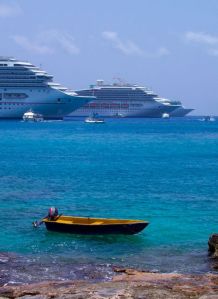
The likelihood of a passenger returning to the same cruise line is actually very high and with frequent cruiser programs the likelihood is even greater. Most ships have a future booking office onboard and to get you to commit they offer additional incentives. These may include greatly reduced deposits and special add-ons. Since you can take advantage of price changes or switch cruises up to 90 days before the cruise and also get your deposit refunded if you cancel, this is a great opportunity*.
Watch and Take Advantage of Incentives
Even after you have confirmed a reservation and put down a deposit you can take advantage of special incentives. If you are a member of a buying group (Groupon, AAA, AARP), or an online travel service (Expedia, PriceLine) that sends you emails of special offers, get in the habit of reviewing these on a regular basis. If you see a good offer, see if you can add it to your reservation. Most times these offers are not exclusive regardless of what the agency says.
After You Book Keep Watching the Fares
As likely as fares are to go up, price reductions also happen but you can’t take advantage of them if you don’t know about them. Get in the habit of checking the prices on cruises you have already booked looking for opportunities to save or upgrade.
Work with a Good Travel Agent
There may not be such a thing as a free lunch, but travel agents are actually free (at least to you) when booking a cruise. We strongly recommend getting to know a good travel agent and getting in the habit of booking everything through them. They actually will appreciate the business and most consider it their job to help you manage saving money. They are also much more effective at dealing with the cruise lines when getting fares reduced or adding on incentives. Your way to contact the cruise line is to call an inside agent but the travel agent has a marketing representative that they routinely deal with and have less difficulty negotiating changes.
Also, if your agent is affiliated with one of the growing super agencies, they can offer you specials provided by their agency in addition to the cruise line. Often their agency has booked a popular cruise as a group package and they can add you to the group and get you an additional discount or onboard credit. At times they also offer their own promotional specials like a free tour or an additional onboard credit.
The best way to connect with a good agent is to ask friends or fellow travelers for their recommendation and ask questions about their experience.
In closing, we have an observation about advertised offers. We get emails from a number of travel agencies and they are constantly screaming about their exclusive special deals from this or that cruise line. Usually they are not exclusive deals and often they are cleverly misrepresenting a price structure. “Cruises from $499.00 with a $700.00 onboard credit” sound familiar? It may be true that an inside cabin can be booked for $499.00 but it is not eligible for any onboard credit; the $700.00 credit is only for suites. We have rarely found a unique offer but often these are a clue that there are price reductions happening.
*Unfortunately, in the last year, a number of cruise companies have started adopting a policy of non-refundable deposits and this changes the process some. Currently, Celebrity is offering lower fares for non-refundable deposits so this is going to cause some rethinking of how we address some booking in the future.

 The first stop on the current itinerary finds us 850 miles due west of Portugal on a volcanic archipelago consisting of nine major populated islands. The islands are a possession of Portugal but are characterized officially as the Autonomous Region of the Azores (in
  Portuguese they are Açores). Considering the autonomy we found it odd that there appears to be an independence movement declaring itself with stencils on a number of walls. One local described that as people with nothing better to do and few take it seriously.
 green twin lakes in a dormant caldera which have become a major tour destination.
  Ponta Delgada is the largest city in the archipelago and you have to admire a city where all the streets and sidewalks consist of mosaics of black and white rock pavers. Maybe this has a
 practical explanation but the artistry involved left us stunned. I’m not sure we have seen anything like these before. The pace of life here seems relaxed with numerous outdoor cafes and restaurants. As is expected, seafood is the cornerstone of the diet with a decidedly Mediterranean flavor.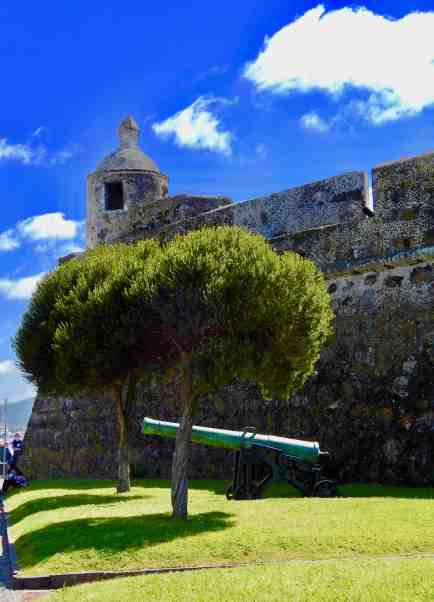


 Because of the location of the archipelago it is on the migration route for a number of whales and other sea mammals as well as a favorite wintering location. Blue whales, Sperm whales and Humpbacks are frequently sighted and whale watching is a growing attraction for tourists. The city has a number of impressive Catholic churches and a beautiful theatre which seems to favor ballet, symphonies and opera singers. Ponta Delgada is also a favorite stop for yachts and ocean racing sailboats and the waterfront and Yacht Club area is a good place in the evening to sit and enjoy a coffee or glass of local wine or port.





 Credit Cards for International Travel
 credit cards there is no reason to not make them your primary resource for paying while you travel. Often it can save you money over making several currency exchanges. One important thing to understand is that the best card for your everyday needs at home may not be the best card for international travel. You need to shop wisely.
 The good news is that Visa and Mastercard are accepted almost everywhere, which makes either one a good choice for the American traveler. There are some additional considerations in choosing a credit card for international travel.
 A number of years ago we weren’t concerned about identity theft – just didn’t think it was a high-risk problem. Over the past five or six years we have been victims more than once and now believe the protection is well worth the expense. Each recent attack was caught by our ID theft service quickly but we also take some additional steps to protect us.
 We have used a couple of different services and our experience is they are very similar. We were however with Equifax and overseas when their data breach occurred and trying to deal with them was not a pleasant experience*.
 Your credit report contains information about your payment history that all creditors and lenders use to make credit decisions about issuing you credit. When you freeze your credit report, creditors and lenders can’t pull your credit report or credit score**. Since most banks require a credit check, an application for credit would likely be denied. You can freeze your credit report at all three major credit bureaus, but it must usually be done individually.
 Trimani Enoteca


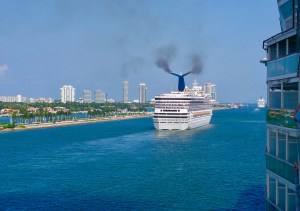 Getting the best deal on booking a cruise is a process very much like getting the best fare on a flight. Like all businesses, cruise lines want to get the most for every cabin and, like the airlines at the moment of departure, anything unsold has no future value. Economists call these items non-fungible, meaning they cannot be exchanged in the future. We’ve booked more than fifty cruises over the years and have discovered a few truths in this process. We have also discovered a few tricks that help us save money and reduce the outlay of deposit amounts.
 Just like hotels and restaurants, cruise lines are generally priced by their expected level of service and their intended clientele. Carnival, an economy line, is structured to appeal to a younger group looking to party. Royal Caribbean, a mid-range price point, focuses on young families while Celebrity, a higher priced choice, focuses on an older demographic with higher expectations in service. Taking a quick look at a number of similar cruises will quickly give you an idea how this pricing element works.
 Look at Add-On Expenses You’re Likely to Use
 Make sure you understand what things are included in a cruise and if not what they are likely to cost you specifically. For example, some cruises include drinks while others may cost $500.00 or more for a drink package. Making this price comparison may actually justify the expense of an upgrade.
 add-ons as a sales promotion. These can include prepaid gratuities, drink packages and onboard credits. Sometimes incentives include one and at times all three. Often, inside cabins do not qualify for these free add-ons and that can have a big impact on the overall cost of the cruise.
 When we select a cruise we often let the itinerary dictate which cabin we want. Long ago we decided that we have no problem with inside cabins. On most cruises we actually spend very little time in our cabin so upgrading means little. On one cruise we were upgraded to an owner’s suite and while spacious and beautiful, it really seemed a waste of space and certainly would not be worth it to us if we had to pay full price. On a trans-Atlantic, an inside cabin is fine with us but, in Alaska, getting a veranda cabin usually is a must. Often it is all about the view.
 Always Book Onboard
 After You Book Keep Watching the Fares
 Work with a Good Travel Agent
 In closing, we have an observation about advertised offers. We get emails from a number of travel agencies and they are constantly screaming about their exclusive special deals from this or that cruise line. Usually they are not exclusive deals and often they are cleverly misrepresenting a price structure. “Cruises from $499.00 with a $700.00 onboard credit” sound familiar? It may be true that an inside cabin can be booked for $499.00 but it is not eligible for any onboard credit; the $700.00 credit is only for suites. We have rarely found a unique offer but often these are a clue that there are price reductions happening.
 The Intentional Travelers