A World Of Amazing UNESCO Sites

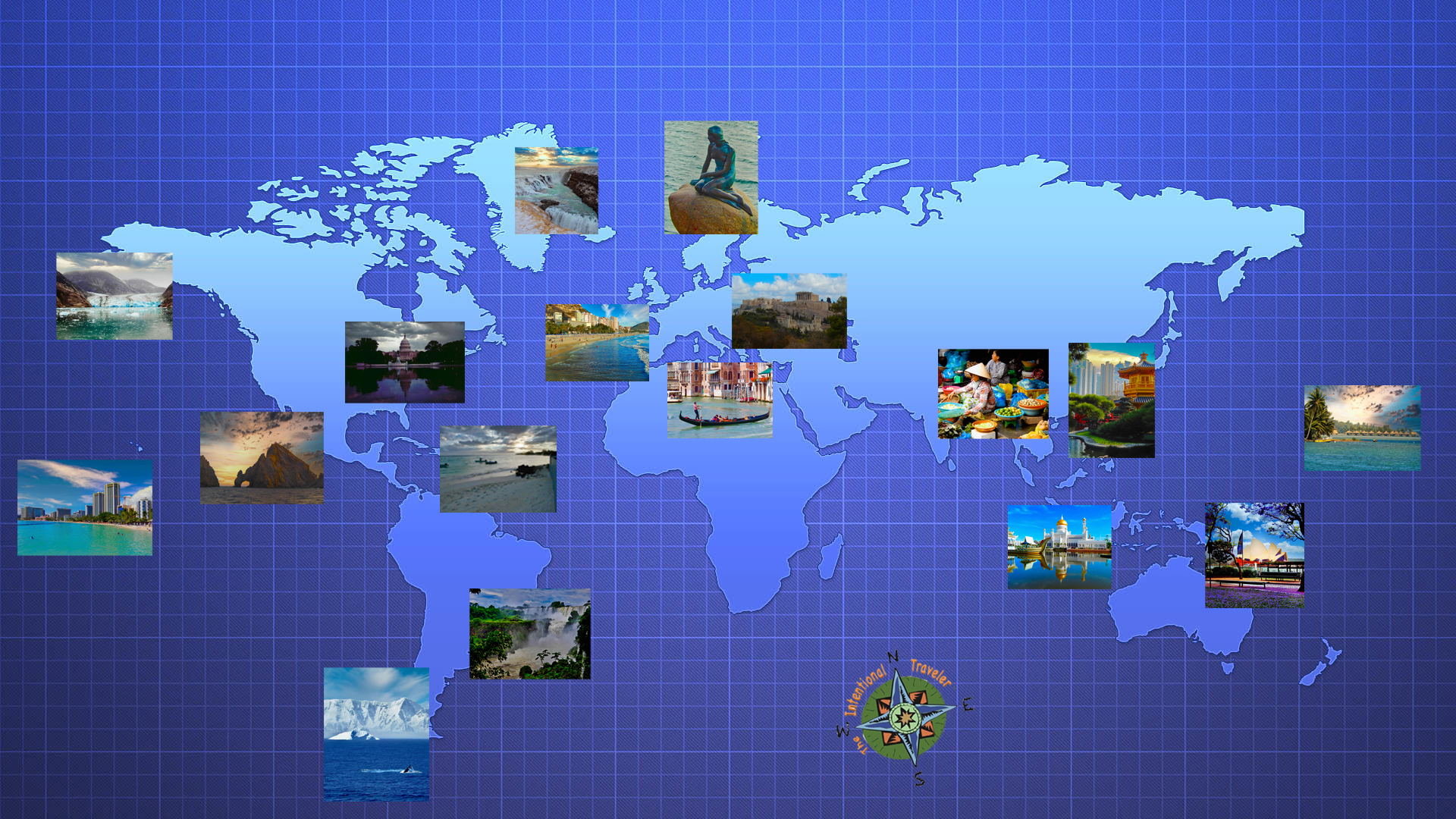
Perhaps one of the United Nations greatest accomplishments is it’s organized program to protect our world’s wonders. UNESCO World Heritage Sites are major historical landmarks or locations receiving legal protections under international conventions by the United Nations Educational, Scientific and Cultural Organization (UNESCO). They’ve been stablished to safeguard some of the world’s most extraordinary and unique places for all humanity as well as future generations.

Acropolis of Athens  designated a UNESCO World Heritage site  in 1987.
The Acropolis of Athens is an ancient citadel located on a rocky outcrop above the city of Athens, Greece, and contains the remains of several ancient buildings of great architectural and historical significance, the most famous being the Parthenon.

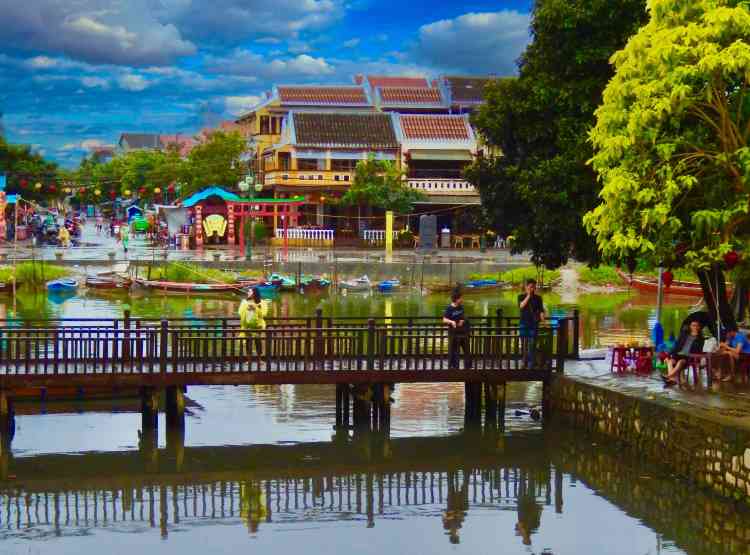
Hội An was designated a UNESCO World Heritage Site in 1999.
Hội An is a city on Vietnam’s central coast known for its well-preserved Ancient Town, cut through with canals. The former port city’s melting-pot history is reflected in its architecture, a mix of eras and styles from wooden Chinese shophouses and temples to colorful French colonial buildings, ornate Vietnamese tube houses and the iconic Japanese Covered Bridge with its pagoda.

Iguazú Falls was designated a UNESCO World Heritage site in 1984
Iguazú National Park covers an area of subtropical rainforest in Argentina’s Misiones province, on the border with Brazil. Within the park on the Iguazú River, the renowned Iguazú Falls encompasses many separate cascades, including the iconic Garganta del Diablo or “Devil’s Throat.” The surrounding park features diverse wildlife including coatis, jaguars and toucans, plus trails and viewing platforms.
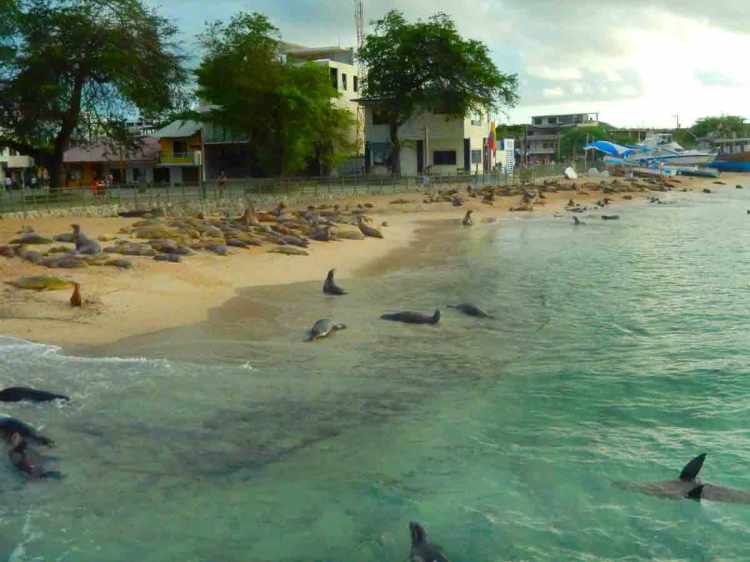
Galapagos Islands, were designated a UNESCO World Heritage Site in 1978.
The Galápagos Islands, located in the Pacific Ocean about 1,000 km (600 mi) off the coast of Ecuador, remained a hidden natural wonder for millions of years. Today, this archipelago and its vast marine reserve are celebrated as a unique “living museum and showcase of evolution.” Positioned at the meeting point of three ocean currents, the islands boast one of the richest marine ecosystems on Earth. Ongoing seismic and volcanic activity continues to shape the landscape, mirroring the same processes that originally formed the islands. Combined with their extreme isolation, these conditions gave rise to extraordinary plant and animal life—including marine iguanas, flightless cormorants, giant tortoises, towering cacti, endemic trees, and the many subspecies of mockingbirds and finches. It was this remarkable biodiversity that inspired Charles Darwin’s theory of evolution by natural selection after his visit in 1835.
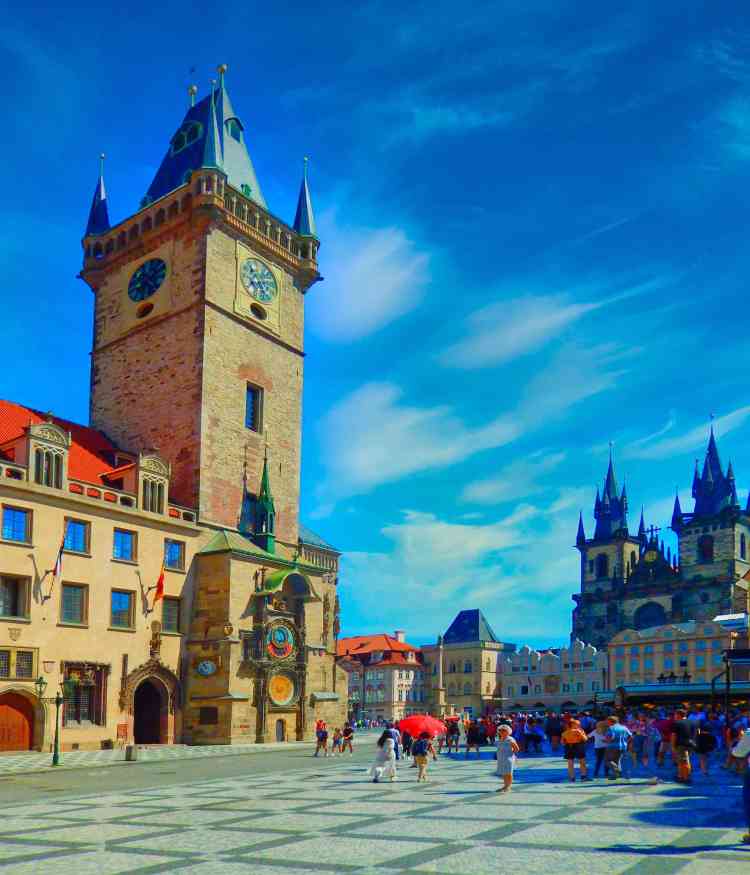
The historic center of Prague designated a UNESCO World Heritage Site in 1992.
Prague, the Czech capital, is often called “the city of a thousand spires” thanks to its wealth of beautifully preserved historical monuments spanning nearly every era of history. From the 11th to the 18th centuries, the Old Town, Lesser Town, and New Town were built, reflecting the city’s immense architectural and cultural influence since the Middle Ages. Among Prague’s most iconic landmarks are the bridges crossing the Vltava River, with the elegant Charles Bridge standing as the most famous. Yet the breathtaking Old Town Square and the majestic Prague Castle are equally unforgettable. Add to this the cobblestone streets and atmospheric alleyways that wind through the city, and it becomes clear why Prague is considered one of Europe’s most enchanting destinations. Even the most seasoned traveler would find it hard to resist the charm of this vibrant, bustling, and picturesque city.
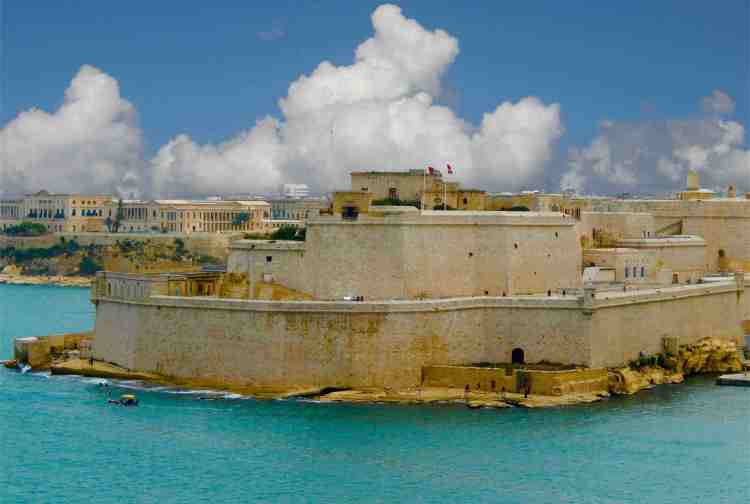
Valletta, Malta designated a UNESCO World Heritage site in 1980.
Valletta is the tiny capital of the Mediterranean island nation of Malta. The walled city was established in the 1500s on a peninsula by the Knights of St. John, a Roman Catholic order. It’s known for museums, palaces and grand churches. Baroque landmarks include St. John’s Co-Cathedral, whose opulent interior is home to the Caravaggio masterpiece “The Beheading of Saint John.”
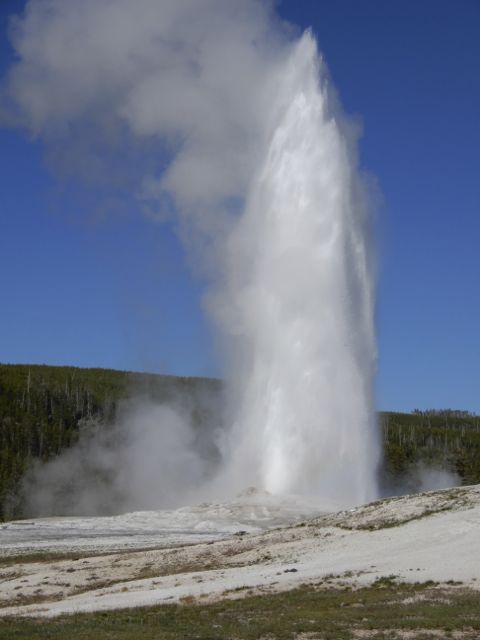
Old Faithful

Yellowstone National Park designated a UNESCO World Heritage Site in 1978.
Established in 1872, Yellowstone was designated as one of the first national parks — an idea that spread across the globe. Its creation aimed to protect the majority of the planet’s geysers along with countless other thermal wonders, forming an otherworldly landscape of steam, bubbling pools, and boiling mud. Over a century later, in 1978, Yellowstone was inscribed on the UNESCO World Heritage List, becoming the United States’ first UNESCO
World Heritage Site.
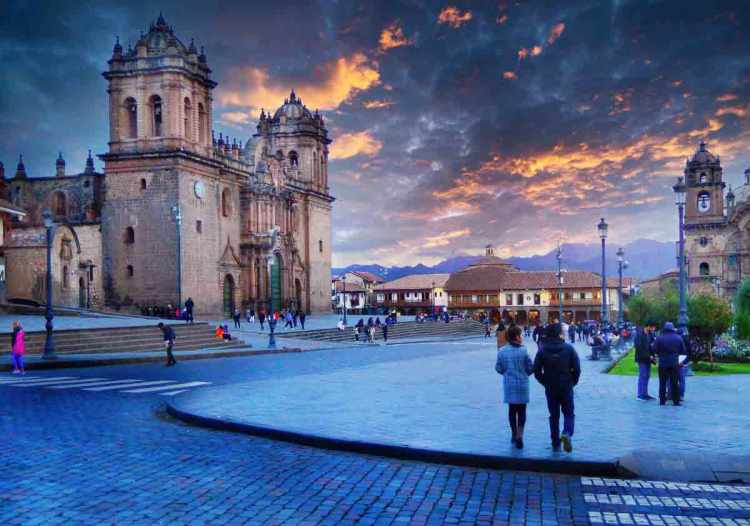
Cusco designated a UNESCO World Heritage site in 1983 is a city in the Peruvian Andes, and was once capital of the Inca Empire, and is now known for its archaeological remains and Spanish colonial architecture. Plaza de Armas is the central square in the old city, with arcades, carved wooden balconies and Incan wall ruins. The baroque Santo Domingo Convent was built on top of the Incan Temple of the Sun (Qoricancha), and has archaeological remains of Inca stonework.
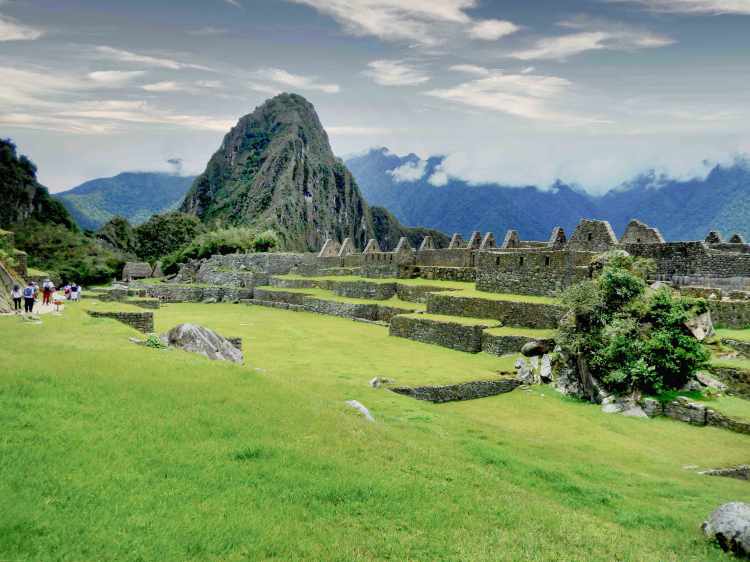
Machu Picchu, Peru designated a UNESCO World Heritage Site in 1983.
Perched atop a mountain, Machu Picchu in Peru is an imposing citadel built from enormous stone blocks joined without mortar, forming one of the most significant religious, political, and cultural centers of the Inca Empire. Rediscovered for the modern world in 1911 by Hiram Bingham, the city is divided into two main sectors: the agricultural area, featuring an extensive network of terraces, and the urban sector, which includes remarkable structures such as the Sun Temple.
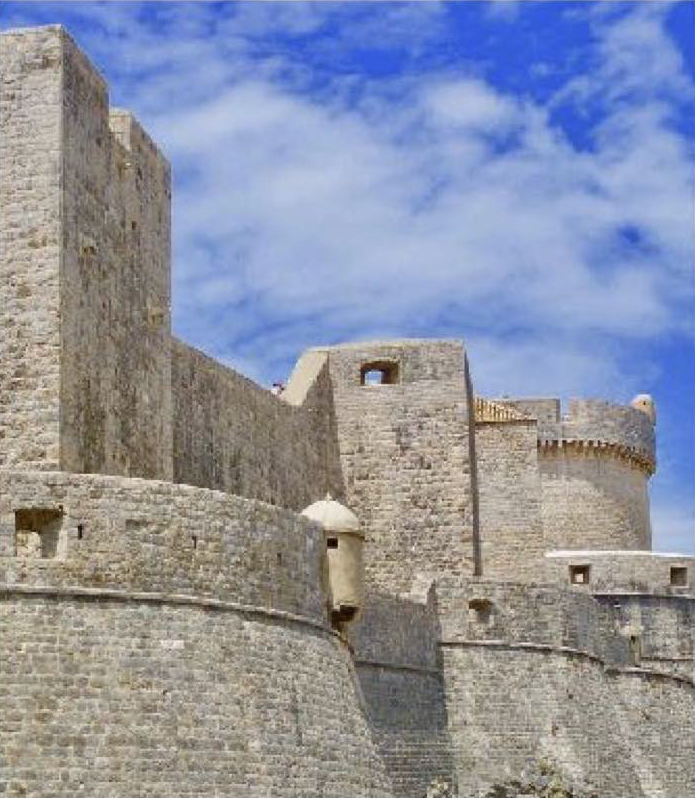
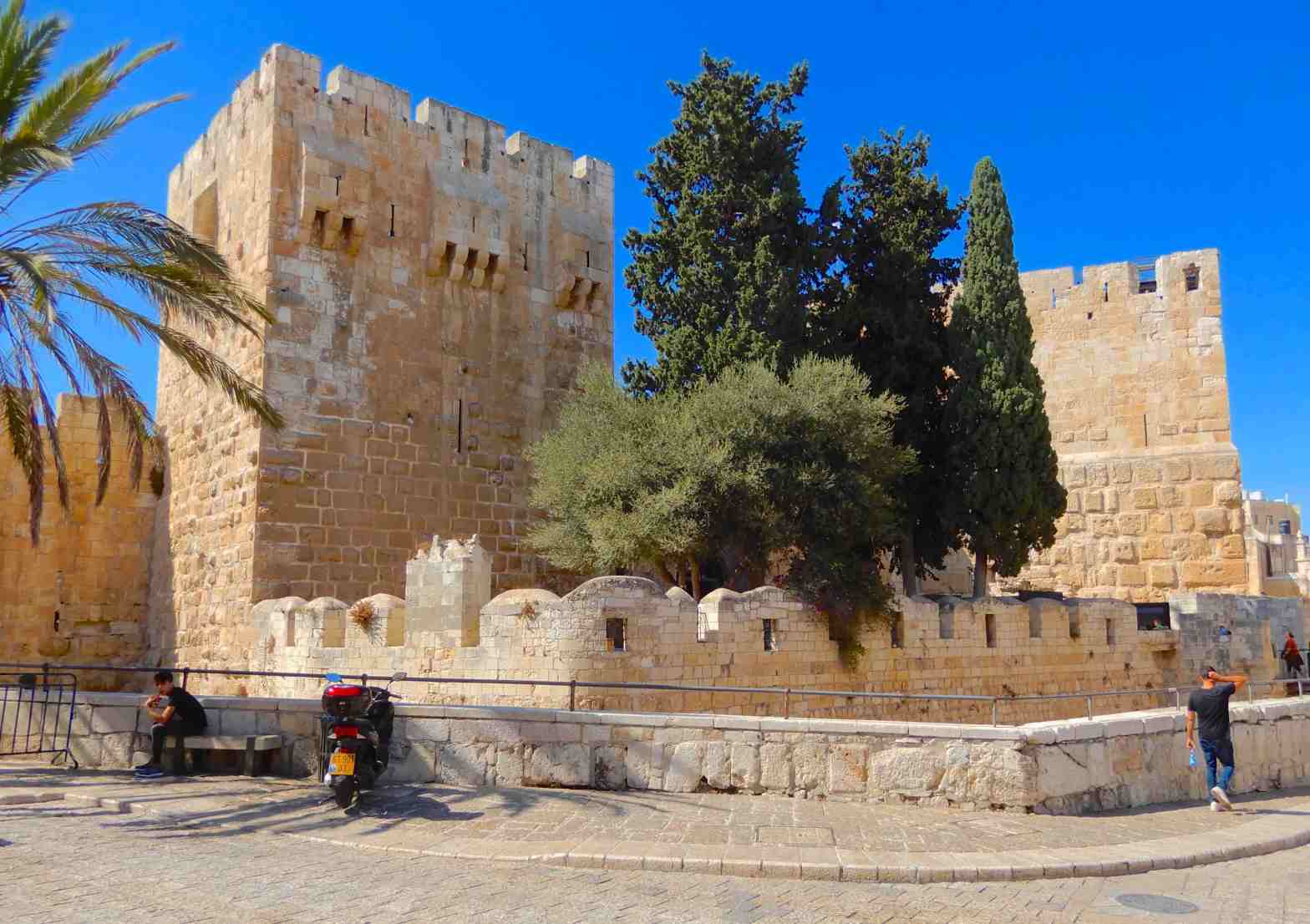
Dubrovnik Old City was designated a UNESCO World Heritage Site in 1979. Dubrovnik is a city in southern Croatia on the Adriatic Sea. It’s known for its distinctive Old Town, encircled with massive stone walls completed in the 16th century. Its well-preserved buildings range from baroque St. Blaise Church to Renaissance Sponza Palace and Gothic Rector’s Palace, now a history museum. Paved with limestone, the pedestrianized Stradun (or Placa) is lined with shops and restaurants.
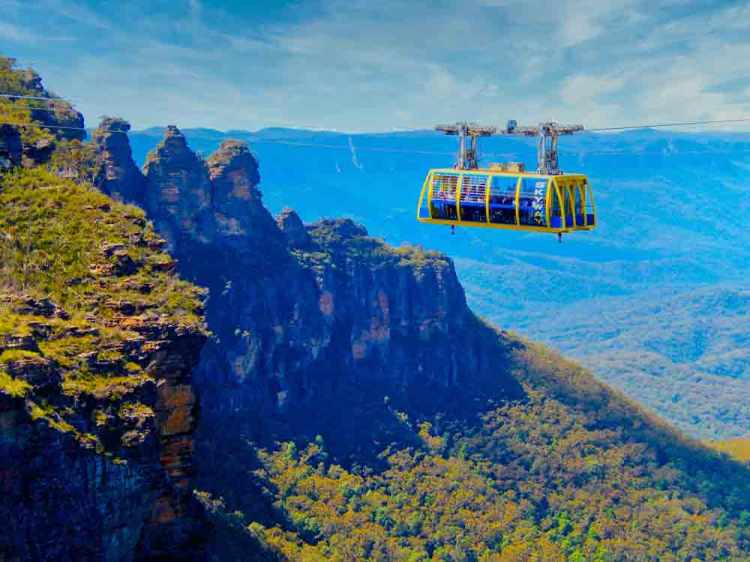
Greater Blue Mountains Area declared a UNESCO World Heritage Site on 2000.
The Greater Blue Mountains Area is a World Heritage Site located in the Blue Mountains of New South Wales, Australia. The 1,032,649-hectare area was placed on the World Heritage List at the 24th Session of the World Heritage Committee, held in Cairns in 2000.

Planning A Cruise? Start By Checking Out The Intentional Travelers Port Guides
Looking for specific information?

Recent Posts From The Intentional Travelers You Might Find Interesting:

Thanks For Visiting

It’s not too late to join us. It will only take a few seconds and it will mean the world to us…

There Are Times When You Really Have To Go!

International Travel And Finding Restrooms

Singapore MRT station

Traveling around the world there is one challenge that seems to regularly show up and that’s where to go? I don’t mean as in travel but really go. When at home in America it’s something we take for granted. We Americans believe it is a public right and resent any effort to place a charge on or restrict access. Elsewhere around the world it can be a challenge to find a toilet and in some places understanding how to use them is a serious issue and considering it’s a public service they are rarely free. They’re restrooms, WC, toilets, lavatories, wash rooms, privies and you’d think for a room with so many names just in English they’d be everywhere?

America is pretty restroom friendly with lots of options and almost all for free. Similarly are Canada, Australia and New Zealand and while Europe has improved somewhat, free restrooms are rare and real public restrooms are often difficult to locate. Other issues as you travel are what is the procedure for accessing them and how to actually use the facility. Are you likely to find toilet tissue and what forms of payment are expected?

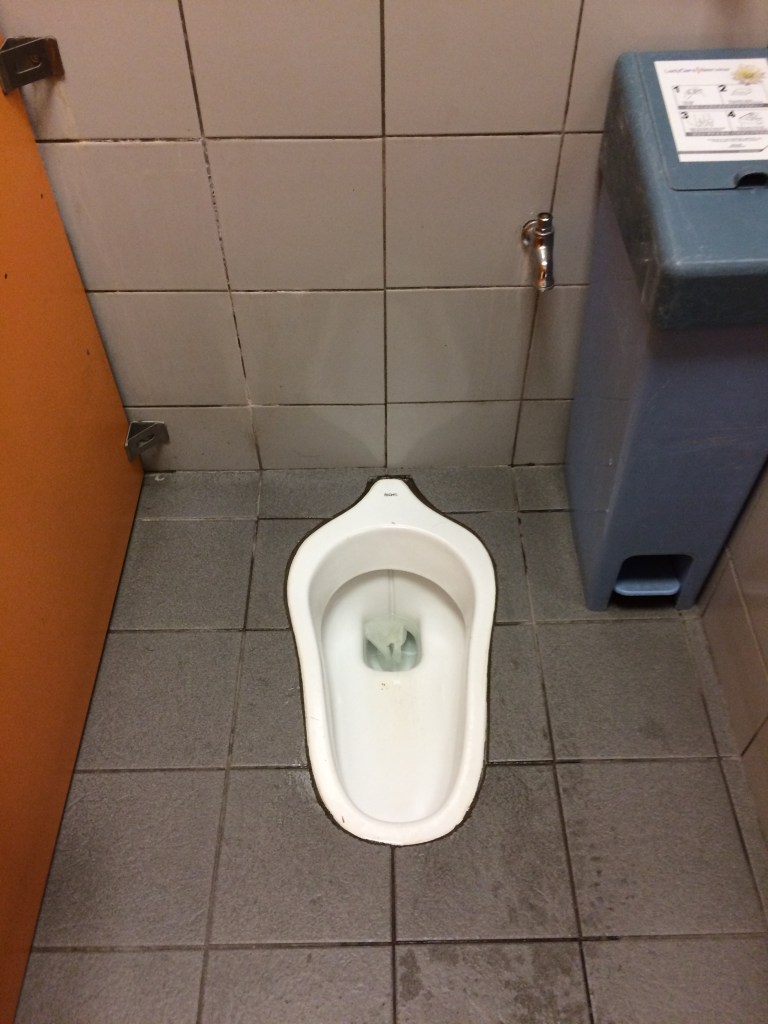
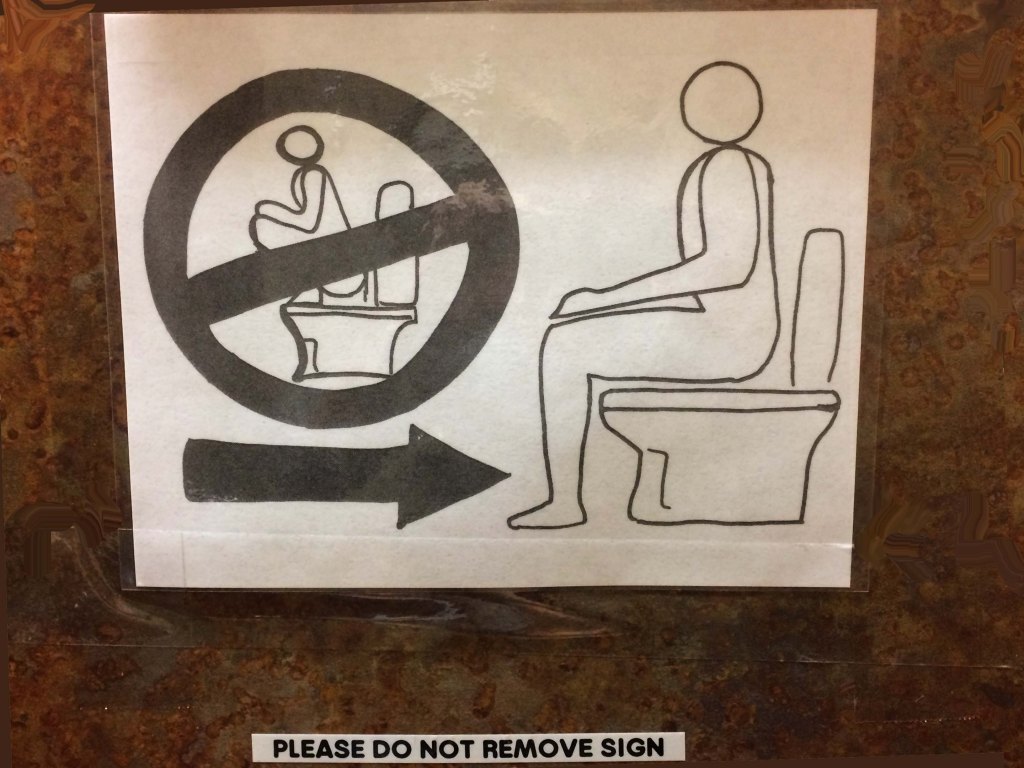
Asia seems to have evolved a completely different approach to toilet design and while they modernized over the years they often remained consistent to the original tradition. In many locations in Asia a floor level hole is the norm and squatting is the preferred method of use.

With the increase of Chinese tourists in the United States the National Park Service has started installing graphic instructions in park restrooms to prevent accidents in using the toilet.

The good news is things are changing around the world with airports and hotel room facilities becoming available in westernized versions. Also, not too long ago many public restrooms had attendants that would show you to a stall and you left a rew coins on their table. That also seems to be less common.

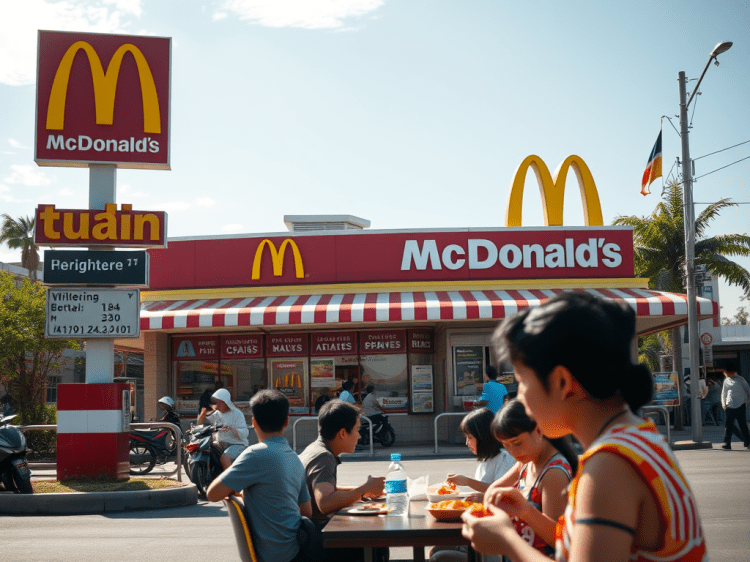
While traveling a good option for locating free public restrooms is to look for department stores, shopping malls, train stations and hotel lobbies. Being American companies the ubiquitous McDonalds and Starbucks* are usually dependable locations for free restrooms. Also bars are a fixture of urban life everywhere in the world and almost all bars have restrooms, many cleaner than average but you may have to pay. While often access isn’t for the public you can get in the habit of simply buying something in the bar (cafe or coffee shop) and then ask to use the bathroom. A coffee in a bar or cafe is often under $2 or 1€ and most have private bathrooms for customers.

Sanisettes in Paris

Over the years we’ve discovered that Google maps can be an invaluable resource for helping find restrooms. Bring up your Google map for your current location and add restrooms to the search bar. You’ll find a map marked with public restrooms near you and tapping go will give you (walking) directions. Unfortunately the app doesn’t normally indicate if there’s a fee or often on what floor and on a number of occasions we’ve wasted precious time discovering that the WC is below us in the basement but it’s better than asking directions.

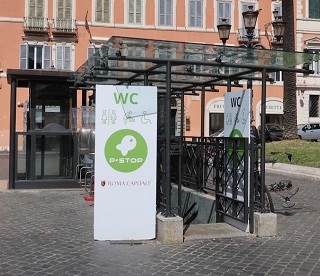
Rome Public WC

Every country seems to have their own approach to restrooms and public use and even different European countries vary. Before traveling do a little research on what to expect where you’re going and a couple of phrase cards in the local language asking where are the restrooms can come in handy. Google translator is also a good app to have.

Italy – Today you can find some pretty clean public bathrooms in a few places around major Italian cities. They are called “p-stops” and they are run by the City of Rome, Florence, Venice and several others. The cost is 1€. WC is also a common marking in Italy.

France – Public urinals, or pissoirs as they’re known in French, have a long history dating back to the late 1800s and Paris has recently installed a series of new outdoor urinals with a bit of controversy involved (womens rights!). In addition Paris has more than 400 public toilets, called sanisettes, located mostly on the public footpaths around Paris. They are free to use and all have access for the disabled. Many of the sanisettes are open 24 hours.

Amsterdam has had public urinals for years, and cities in Belgium and Australia have also recently started installing modern versions for public use.

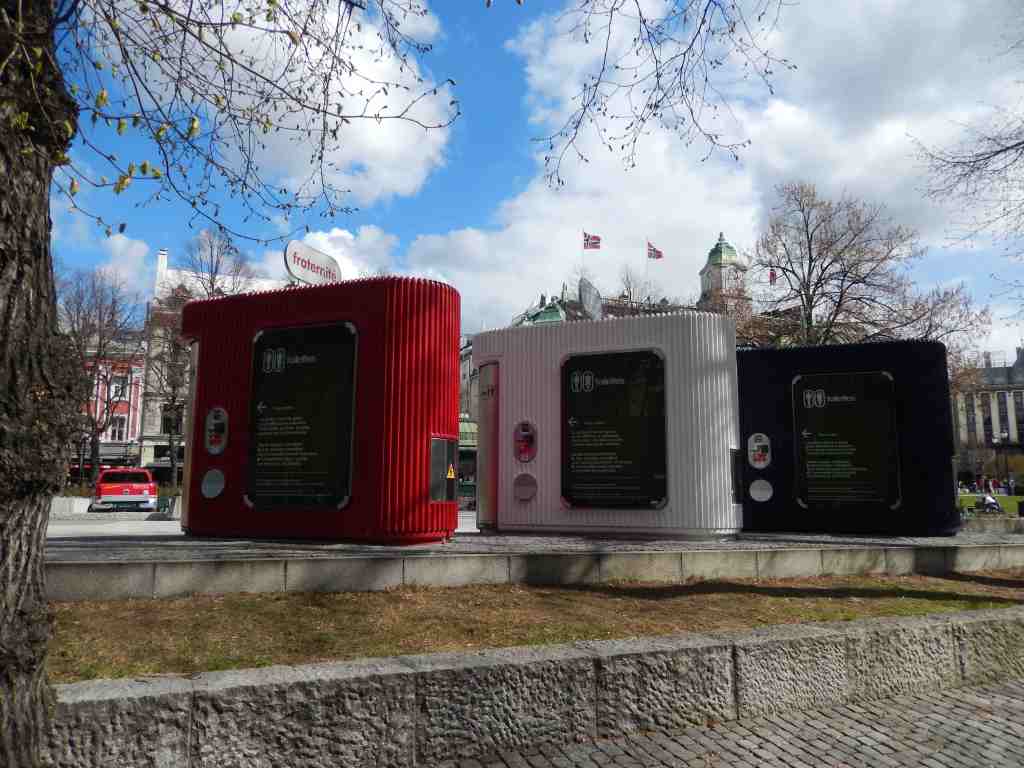
French EUROmodul public restrooms in Copenhagen

A French company called EUROmodul has gone global and is designing and installing public toilets around the world. Their modern freestanding units are intended for use in urban locations where necessary infrastructure is available (water and sewage connection). These toilets are equipped with different quality levels of sanitary equipment with toilets having anti-vandal characteristics in order to ensure the safety and longevity of the equipment and the toilets themselves. Their revenue stream is based on per use fees, usually about 1€.

As you travel internationally the best approach to being prepared is always carry some small change in local money for getting access to WCs and be sure and carry some tissues on you in case the facility has no paper.

Odd Encounters

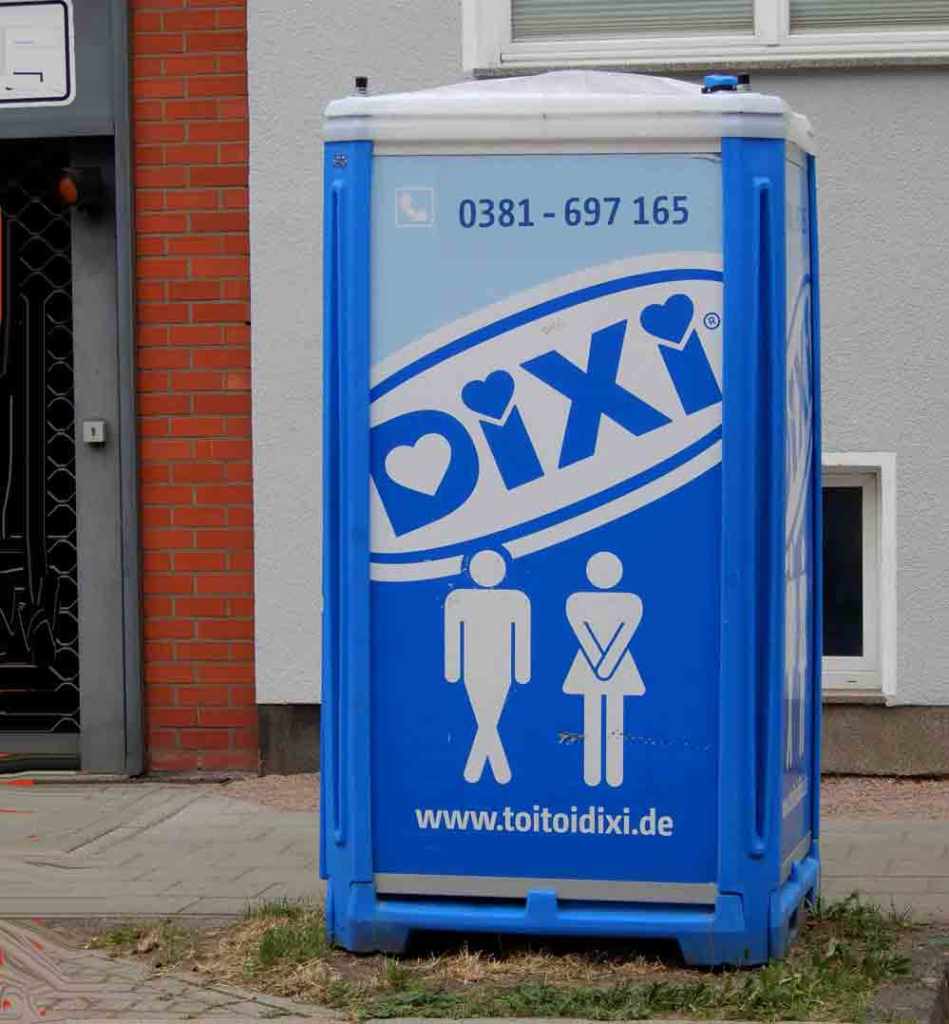
For a German seaside festival these were well placed around town

Ultra modern Singapore had an interesting approach for public restrooms; a S$100 fine for not flushing. Makes you wonder who’s checking?

Several times in Tokyo we encountered public restroom stalls that played load white noise so others couldn’t hear you. Talk about civilized…

Often traveling outside major cities and into more remote areas can be a special challenge. Once in Vietnam my wife needed a restroom when visiting a temple. She was directed to a shack behind the temple that had no windows, lights and all ther was was a small hole in a dirt floor.

Asking For A Bathroom

Italian “stanza da bagno” French “salle de Bains” Hungarian “fürdőszoba”, Spanish “baño” Greek “λουτρό” (loutro) Dutch “badkamer”, German “Badezimmer” Swedish “badrum” Japanese 浴室 (yokushitsu), Polish “łazienka”

Planning A Cruise? Start By Checking Out The Intentional Travelers Port Guides

Looking for specific information?

Recent Posts From The Intentional Travelers You Might Find Interesting:
Thanks For Visiting

Essential Tips To Help You Cruise Like A Pro

If you’re new to cruising or maybe just thinking about booking your first cruise The Intentional Travelers have some great ideas to help you get the most from your cruise and save money too. We’ve taken over 75 cruises and we’ve learned a lot. In the article links below we offer links to lots of posts to save you money and help you get the most out of your cruise time…\


Saving Money Booking Your Cruise

8 solid suggestions on saving money on your first cruise and future cruises.

Ideas On Selecting The Right Stateroom

Inside, outside, veranda or suite there are choices to fit every lifestyle and budget. Ideas on staterooms to watch out for and our thoughts on picking the right cabin.

All About Stateroom Upgrades

In cruising at times you will be offered a cabin upgrade, sometimes befor you cruise you’ll get a chance to even bid on an upgrade…

A Guide To Cruise Gratuities

Generally required gratuities are spelled out when booking your cruise but there are additional times when tipping is recommended.

What To Pack For A Cruise

While onboard dress is evolving there’s still a set of important considerations on what to pack for your cruise

All About Sea Sickness?

First time cruisers often have concerns about sea sickness. While some people are prone to it the fear is way over blown.

Things To Bring To Make Your Cruise Even Better

A few ideas to enhance your stateroom, add some character to your cruise and help celebrate a bit more…

Joining A Cruise Loyalty Program

There are a lot of reasons to become a member of a cruise loyalty program and almost none not to. Even if you plan only cruising occasionally you still should join.

Booking Shore Excursions Or Doing It Yourself

Shore excursions are a major part of cruising but going as hore on your own can bea better option

More On Stateroom Selection

Additional factors to consider in stateroom selection. From noise issues to the ships motion there are other things to consider in cabins.

Holidays At Sea

Looking for a special way to celebrate a holiday with the family? Halloween and Christmas are amazing on a cruise ship.

Great Cruising Hacks

From clearing money off your account to saving on drinks or beating the high cost of cell service.

All About Repositioning Cruise

Quiet days at sea, same great food, entertainment and often lectures and craft classes, all at a reduced price…

The Truth About Cruise Pricing

There’s a lot of false advertising and misrepresentation about cruise pricing. Here’s the facts about who has the best prices!


Planning A Cruise? Start By Checking Out The Intentional Travelers Port Guides

Looking for specific information?

Recent Posts From The Intentional Travelers You Might Find Interesting:

Thanks For Visiting

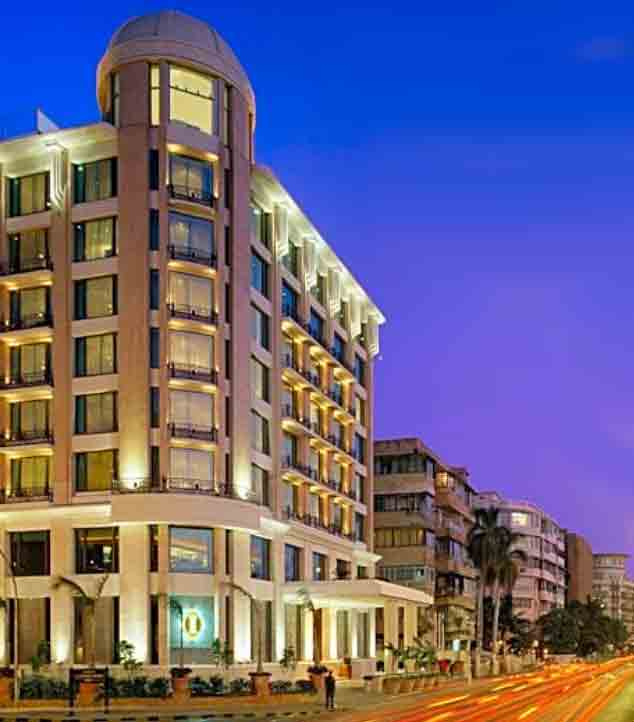
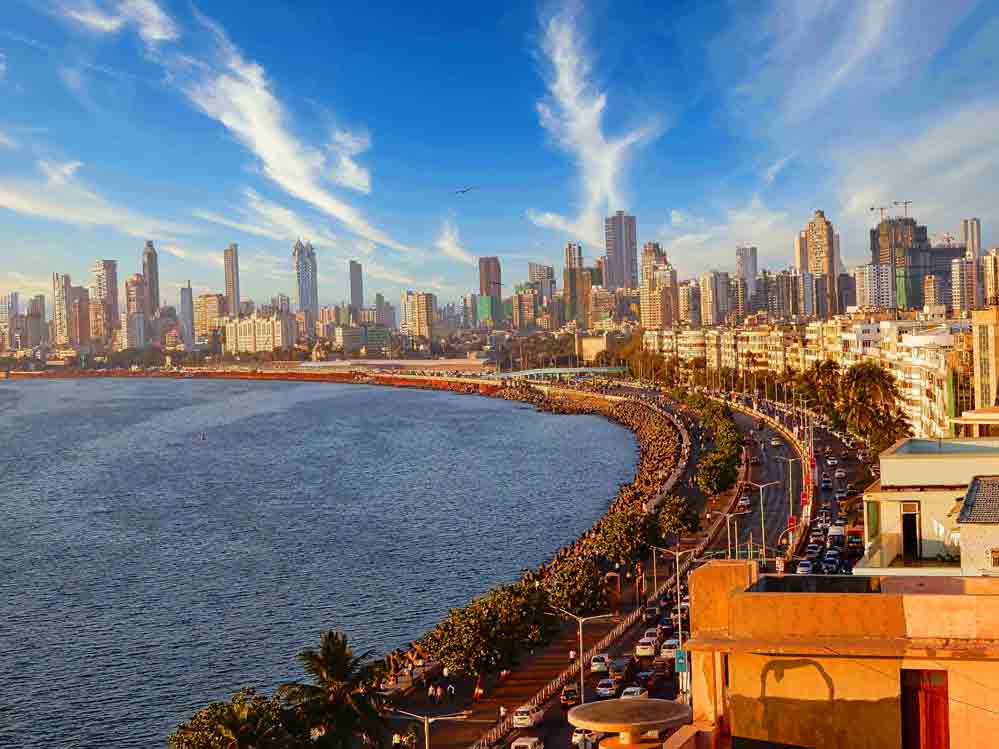
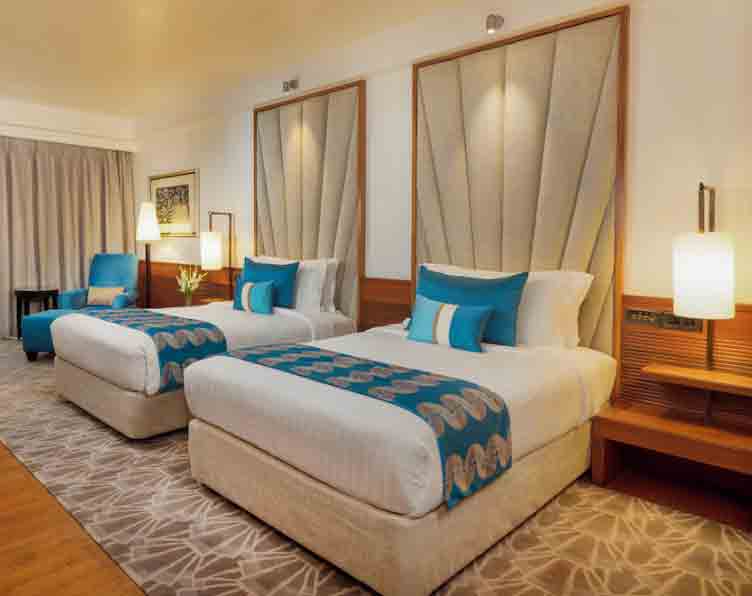
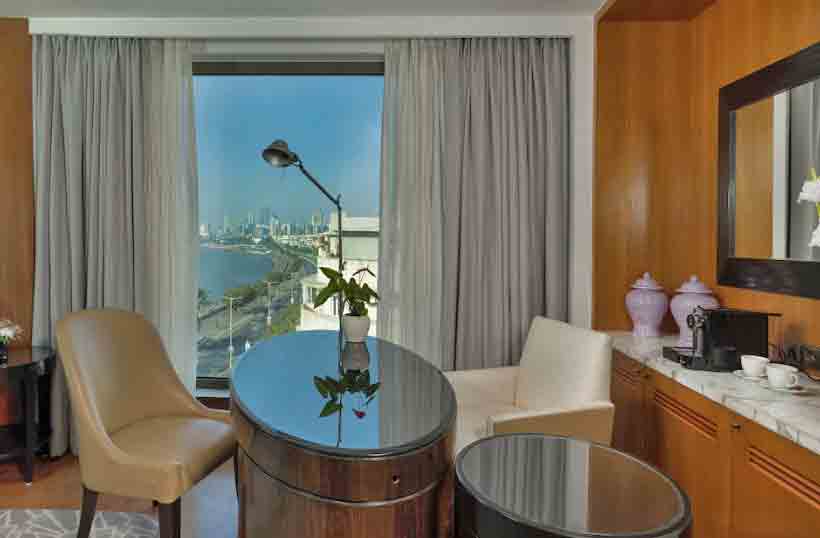
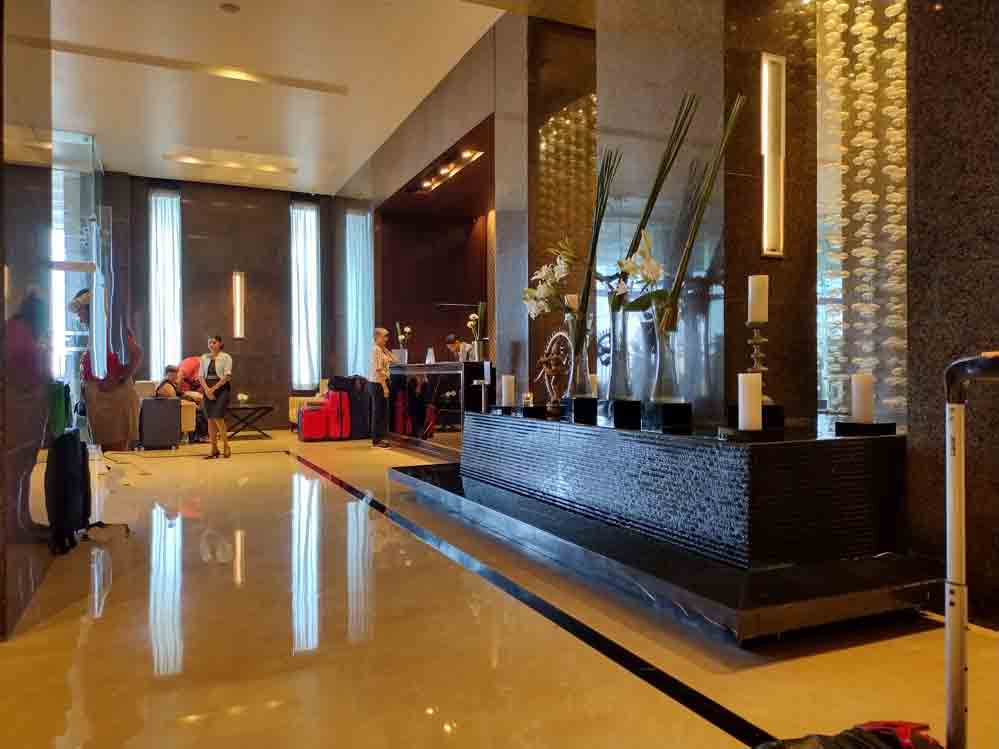
Unforgettable Stay at InterContinental Marine Drive-Mumbai

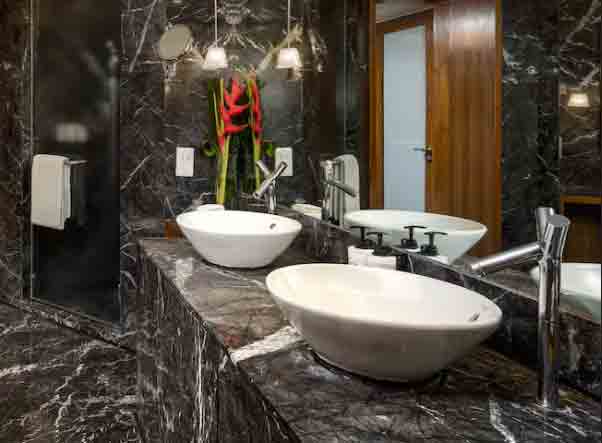
At the beginning of a long trip through Asia we spent five days in Mumbai and booked accommodations at the InterContinental Marine Drive-Mumbai. Comparing costs between America and India the room rate was just too good to pass up. 5 Stars at what we considered an economy price.

The hotel staff was remarkable, the room exceeded our expectations and the location was perfect. Getting from Mumbai International Airport (BOM) to Marine Drive InterContinental will take between 20 and 40 minutes depending on traffic with a fare between US$5 and US$10.

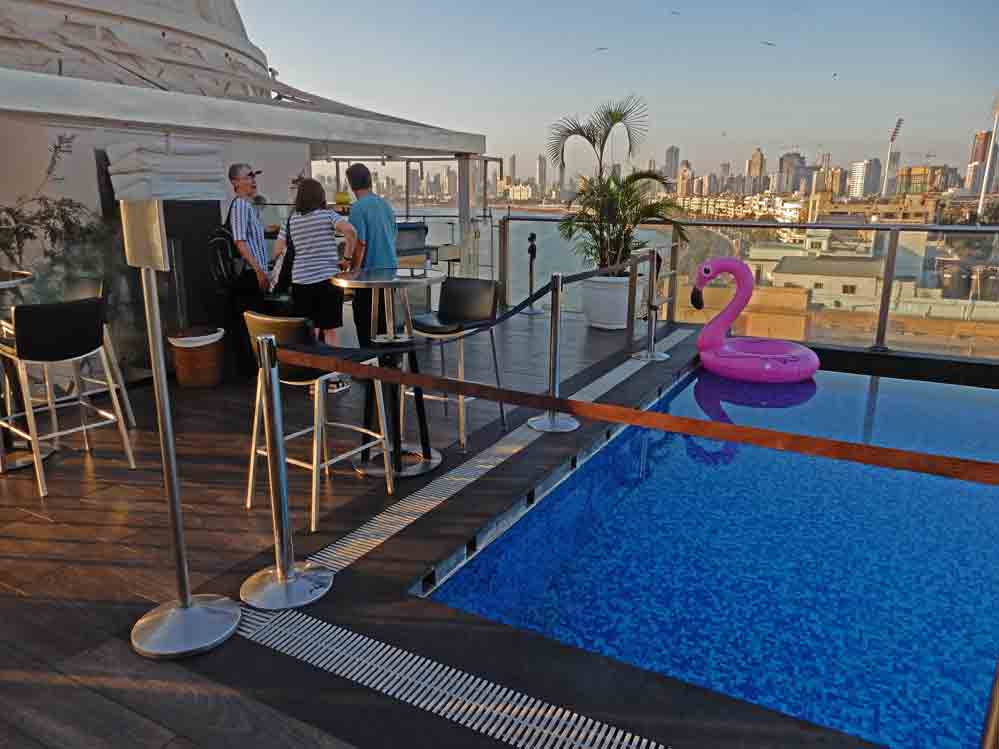
This hotel is located right on Marine Drive in the heart of Mumbai’s Art Deco district and provides panoramic views of the sea from its rooftop bar and restaurant. Catch sunset out beyond Marine Drive as thousands gather along the water front to celebrate the end of another day.

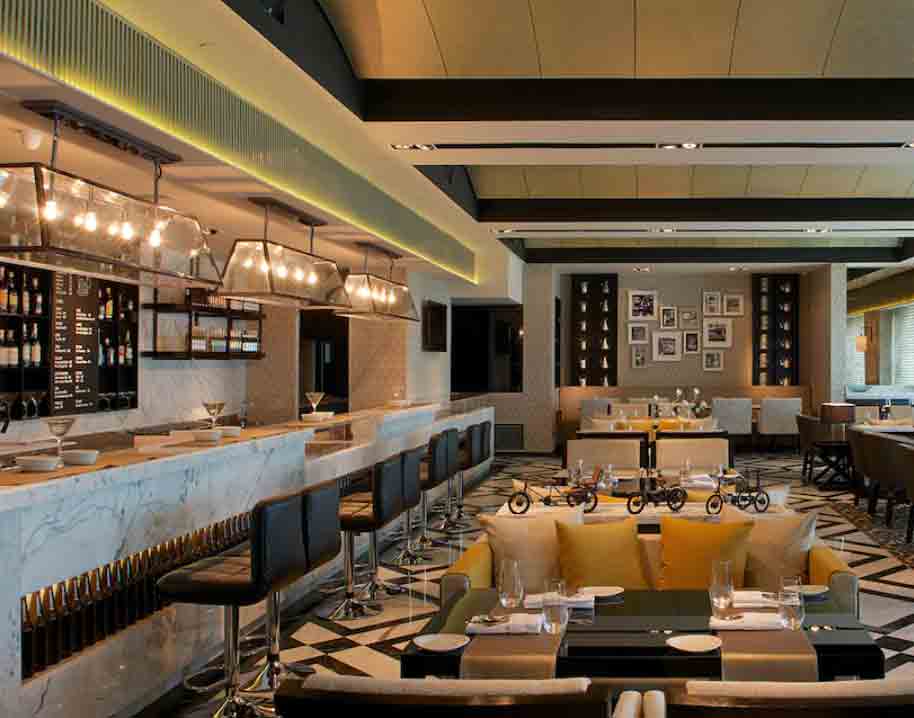
The InterContinental stands out with its comfortable accommodations, a rooftop pool, bar and patio along with excellent dining options. Th rooftop bar, Dome*, features a welcoming atmosphere, drinks, wine, food, and music under the stars; Don’t miss happy hour with incredible views of the sunset over the Arabian Sea. Other dining options at the InterContinental include L&S Bistro & Pizzeria offering international comfort food, along with heritage North Indian recipes prepared with a contemporary touch at the Kebab Korner.

Explore all of Mumbai’s best sights from an excellent location on Marine Drive’s waterfront. The hotel is located within minutes of the cultural hub of Colaba, the art district of Kala Ghoda, the bustling Chowpatty beach, the famed Wankhede Stadium for cricket enthusiasts, and mear Mumbai’s popular museums and heritage sites.


Planning A Cruise? Start By Checking Out The Intentional Travelers Port Guides

Looking for specific information?

Recent Posts From The Intentional Travelers You Might Find Interesting:
Thanks For Visiting

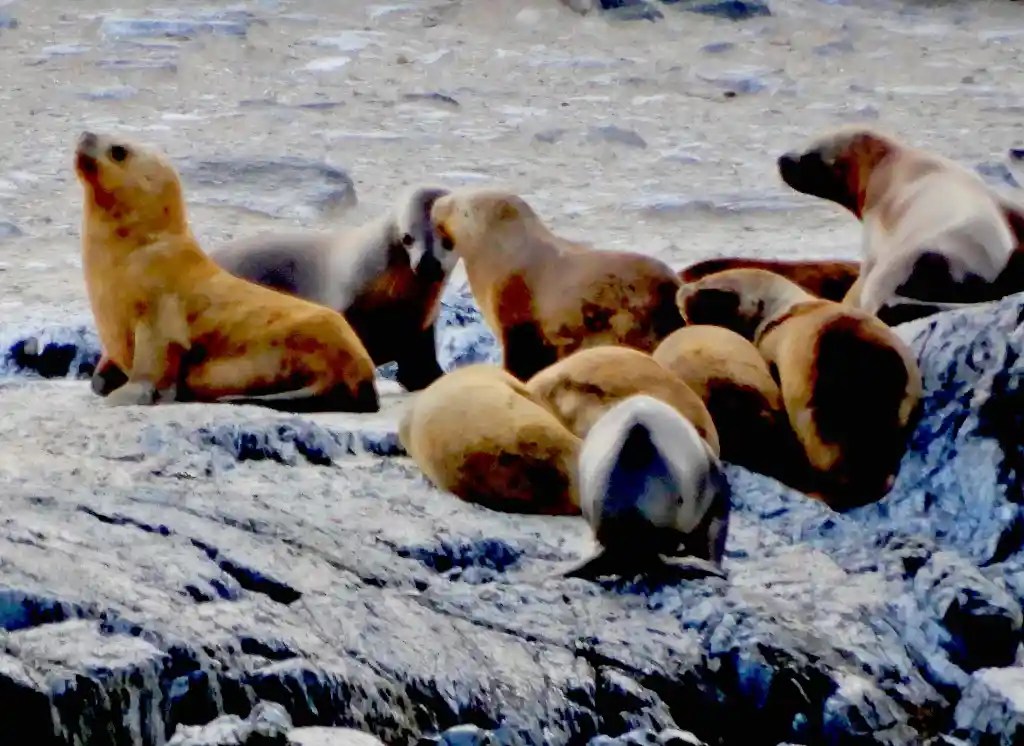
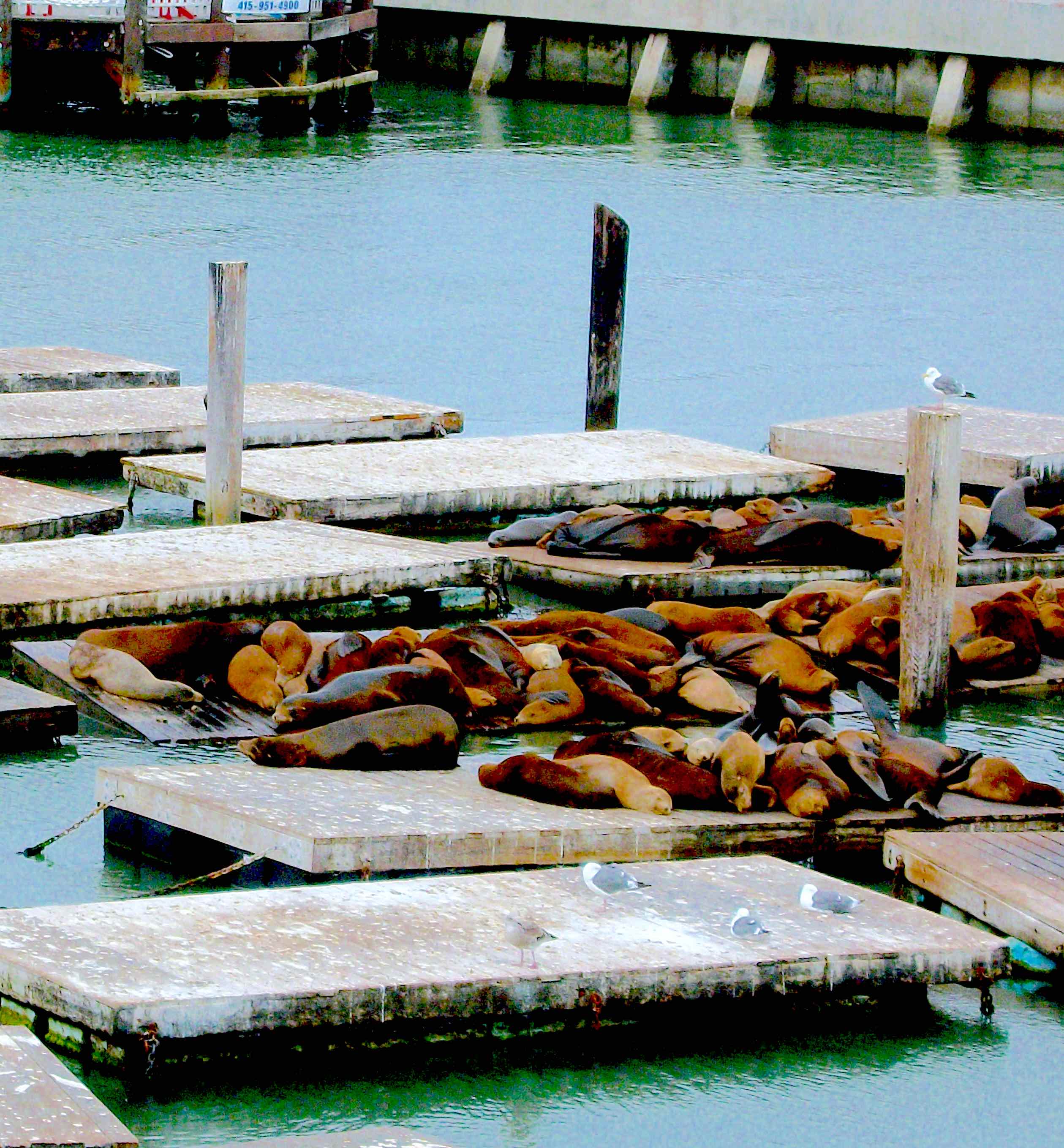
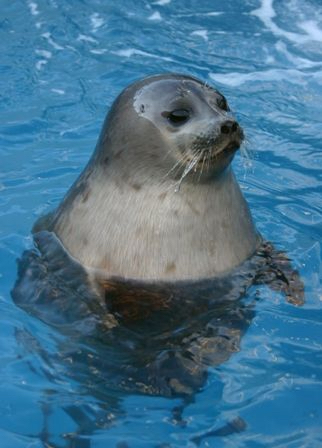
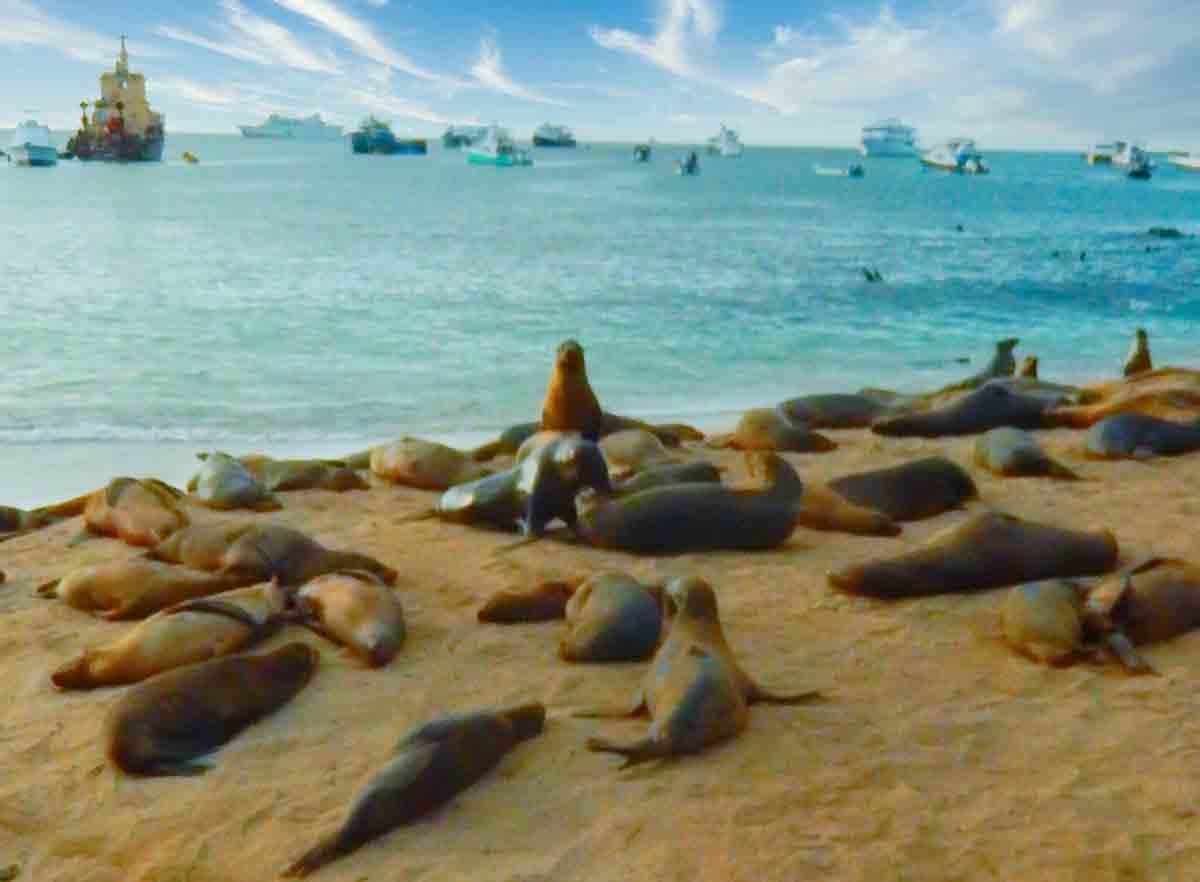
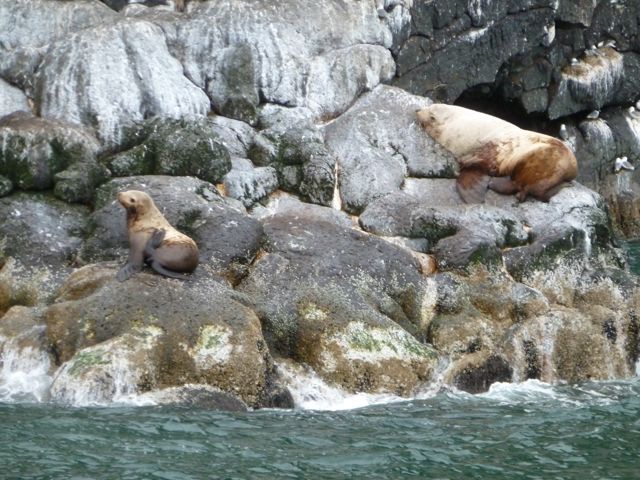
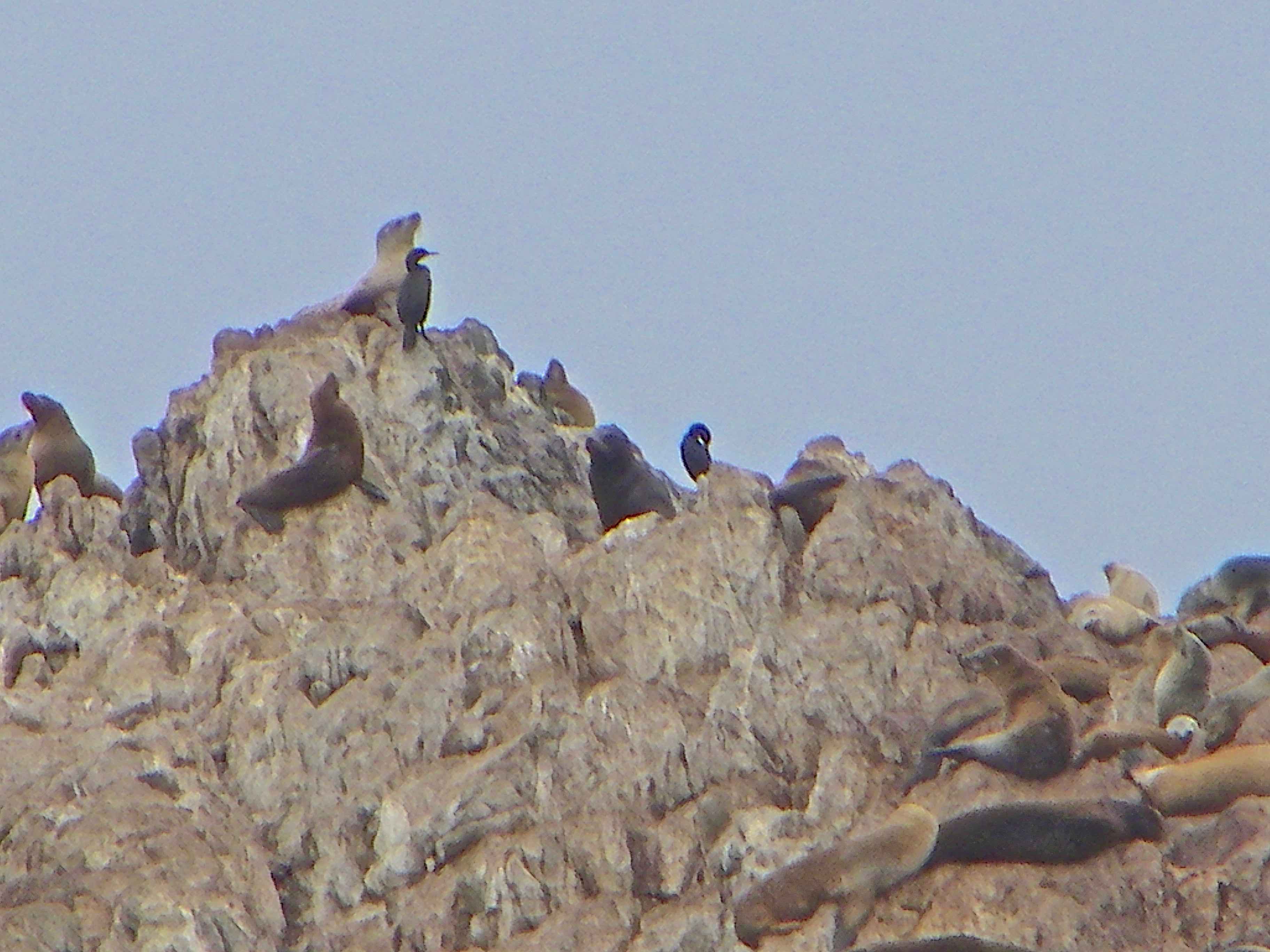
Searching for Sea Lions and Seals

Of wild animals all around the world sea lions and seals are probably one of the most common and usually attract attention. Going through our animal photographs recently we

Sea lions and seals (pinnipeds) live in coastal waters worldwide, from polar to temperate zones, with distinct species favoring different regions like the North Pacific (California sea lions, Steller sea lions), North Atlantic (gray seals, harp seals), and even the tropics (Galápagos sea lions, Hawaiian monk seals), resting and breeding on beaches, rocks, and ice, while hunting fish and squid in the ocean.

The main differences between sea lions and seals are their external ears, flippers, and mobility on land. Sea lions have visible ear flaps, can rotate their hind flippers forward to “walk,” and use their strong front flippers for swimming, while seals have only ear holes, cannot rotate their hind flippers, and drag along on their bellies when on land.


The Intentional Travelers Guide to over 150 cruise ports of call

Some More Recent Posts From The Intentional Travelers You Might Find Interesting:

A Plan For Digital Nomads To Build Remote Careers

Our favorite Digital Nomad, Vivek is back with more great advice.

More people than ever dream of packing a laptop, buying a one-way ticket, and working from a beach café in Bali or a mountain lodge in Spain. But turning that dream into a sustainable, fulfilling career takes more than Wi-Fi and wanderlust.

Aspiring digital nomads must build adaptable careers, balance freedom with stability, and learn to thrive in motion.

TL;DR

Success as a digital nomad comes from pairing flexibility with focus. Build remote-ready skills, choose income streams that travel well, manage time zones like a pro, and invest in community. It’s not just a lifestyle—it’s a long-term work model that rewards self-discipline, continual learning, and smart financial planning.

The Lifestyle Equation (Table)

Core ElementDescriptionExample/Action
Skill MobilityFocus on skills that are in global demand and easily delivered online.Web design, marketing, copywriting, development.
Income StabilityBalance freelance work with retainers or productized offers.Offer monthly content packages to clients.
Routine FlexibilityBuild a schedule that adapts to travel constraints.Work early to enjoy long afternoons exploring.
Financial CushionMaintain a 3–6 month buffer to manage travel or client shifts.Keep funds in multiple currencies if possible.
Community BuildingConnect digitally and locally for support and opportunities.Join nomad hubs like Lisbon, Chiang Mai, or Medellín.

FAQ: “Do I Need to Quit Everything to Become a Digital Nomad?”

Not at all.

Many successful nomads start part-time, keeping a hybrid model while testing different regions and time zones. A slower transition helps reduce stress and financial risk. You can begin by working remotely for your current employer, freelancing on weekends, or developing a side business that eventually funds your travels.

Build Skills That Travel

Start with skills that are independent of geography: UX design, writing, coding, marketing, customer success, and consulting are prime candidates. Sites likeToptal remain gateways for finding international clients. Pair them with modern tools—Zoom, Asana, Notion, and Slack—to collaborate across borders without missing a beat.

For those looking to go deeper into business, management, and entrepreneurship, earning a degree can be a game-changer. By choosing to earn a business administration degree, aspiring nomads can develop essential skills in finance, marketing, and operations that make them more competitive as remote founders and freelancers.

Online degree programs make it easy to study while traveling or working full-time, giving digital nomads both flexibility and credibility.

How-To: Create a Nomad-Ready Career

  1. Audit your skills → What can you deliver remotely right now?
  2. Choose one stable income stream → Retainers or recurring projects.
  3. Build a portable workflow → Cloud storage, password managers, global payment systems like Wise or Payoneer.
  4. Test time zones → Work remotely from a nearby country first before going global.
  5. Simplify assets → Use lightweight gear (laptop, external SSD, travel Wi-Fi).
  6. Establish financial safety nets → Separate business and personal accounts, automate savings.
  7. Invest in your professional identity → Build a LinkedIn profile, website, and consistent digital presence.

The Freedom-Discipline Paradox

Digital nomadism rewards self-discipline. While it’s easy to get swept up in the adventure, productivity is what sustains the journey. Tools like Clockify help track focus. Co-working spaces—from Bali’s Dojo to Mexico’s Selina—provide both infrastructure and community. Staying grounded isn’t about restriction—it’s about consistency in motion.

Highlighted Tool: Notion — The Nomad’s Command Center

Notion is a popular all-in-one workspace that many nomads use to organize client projects, store travel plans, and maintain personal journals. You can create shared dashboards, manage client deadlines, and even embed expense trackers. Its offline sync helps when you’re working somewhere with unstable internet.

Pro Tip: Diversify Visibility

Treat yourself like a business. Publish content on platforms like LinkedIn and Substack. Share experiences, lessons, and insights from your travels—these posts not only attract new clients but also build digital credibility that follows you anywhere.

The Mindset Shift

Being a digital nomad isn’t about escaping routine—it’s about designing one that fits you. Set clear work hours, practice asynchronous communication, and maintain balance between exploration and execution. Every flight delay, every timezone mix-up, and every café Wi-Fi hiccup becomes part of the learning curve.

Key Takeaway

The modern digital nomad isn’t just a traveler with a laptop. They’re entrepreneurs of their own time and expertise—crafting work that moves with them.

Conclusion

Thanks For Visiting


Planning A Cruise? Start By Checking Out The Intentional Travelers Port Guides

Looking for specific information?

Recent Posts From The Intentional Travelers You Might Find Interesting: