
Backpacks

We spend a quarter to a third of our time traveling and we have become very skilled at picking what makes sense to carry and deciding what should be left behind. Size and weight matter a lot and multi-purpose items are golden. We’ve carefully selected these products for utility and value and those marked with an asterisk have become part of our regular travel gear. Clicking on any of the product images will link directly to an Amazon page where you will find more descriptive information, additional reviews and where you can place an order. Please note that we may receive a commission on some items through the Amazon Affiliate program should you make a purchase. We do not recommend anything that we haven’t personally evaluated.

Backpacks come in all shapes and sizes and our travel gear includes three or four backpacks. My wife has a light weight pack with two main compartments and a smaller zipper pocket that will easily fit under her feet on an airplane. It has enough room for changes of cloths for a couple of days along with holding documents and those all important TSA friendly toiletries. We also travel with a light weight nylon backpack that takes up very little room when folded into its pouch. This comes in handy when we are out for a day and end up doing some unexpected shopping or when we need to lighten an overweight suitcase before flying.

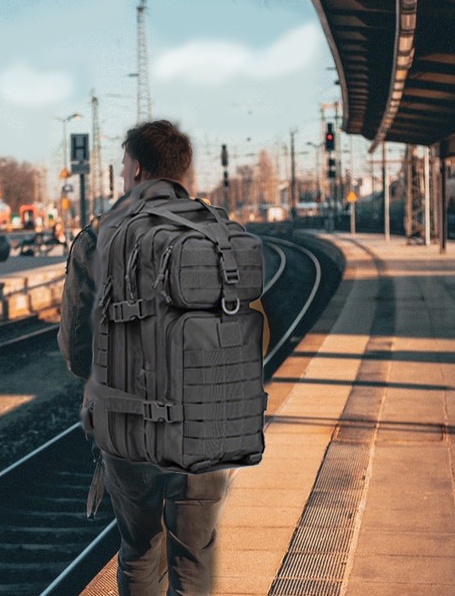
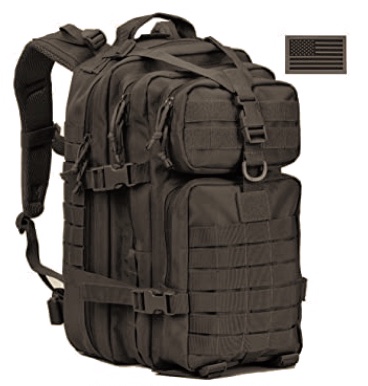
Large Capacity Tactical Backpack
Click the image to link to this item on Amazon.com

My first choice in a backpack covers a number of needs. For me it’s a must when we take longer trips for a number of reasons. First it holds 40 L (that’s 1/3 more than you average backpack) and it holds more than the larger carry-on suitcase. While normally it won’t fit under the seat, I’ve never had a situation where it won’t fit in an overhead bin on a crowded flight. It’s soft sided so it can conform to those irregular spaces.

Second it includes two large main compartments and two smaller compartments that provide for easy access to needed items. It’s classified as a “Military Tactical” backpack but from a travelers point of view that just means they meet stringent design requirements and toughness standards. In addition to holding a lot, they incorporate the Molle attachment system which provides incredible flexibility. The Molle system is a well thought out and universal system for attaching additional pouches and accessories to a backpack in a secure way. Molle systems are readily reconfigured to numerous requirements that include additional small and large pouches, water bottle holders, sleeping gear straps and shoulder strap attachments.

I’ve regularly packed this backpack to a weight of 45 pounds and the shoulder straps have enough padding to make the load comfortable. Interestingly, American flights don’t post a weight limit for carry-ons and I’m thinking you could load the pack with rocks and nobody would care, assuming you could lift the backpack. However while in South America, when checking in for a flight the notice indicated a maximum of 15 kilos per carry-on, thankfully nobody payed any attention to my packs weight.
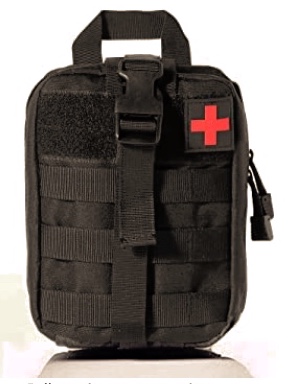
If you have a packing routine, it’s easy to position specific items like chargers, TSA toiletries, first-aid kit, laptop or tablet, and travel documents in pouches for quick and easy access. My biggest issue is remembering where they are.

Additionally I can pack everything I need for a few days on the road in this backpack and by storing my travel electronic accessories in those pouches along with pouches to hold toiletries and medication, I’m ready to “bail out” in minutes.

This backpack’s specifications include:

  • Side-zip closure
  • Overall size 13″ 20″ 11″ / 33, 50.5, 28 CM
  • A large capacity of 40L
  • 600×600 Density fabric, durable and water-resistant
  • Molle webbing throughout for attaching additional pouches
  • Double-stitched, Heavy duty zippers and utility-style cord pulls
  • Side and front load compression straps
  • Ventilated mesh padded back area
  • shoulder strap,breathable and comfortable.
  • Y-strap on the top of military backpack to hold sleeping bag or mat

This, and most Military Tactical backpacks are available in sand and black while some manufactures also include camouflage. What these lack in style they more than make up it utility.

Molle Attachment Pouches

Molle attachment pouches come in a variety of sizes to hold extra clothes, sleeping bags and first aid kits. Most come with velcro attachable patches (American Flag patch usually included). Here are a few that I find come in handy :
Click the image to link to this item on Amazon.com

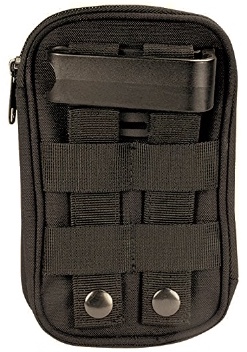
Small Pouch For Shoulder Strap Mounting*

This pouch is designed to attach to the shoulder strap to be carried on the front. 7.5″ x 4.5″ x 1″. Made of water-resistant nylon Cordura. Includes Clakit Clip and Pouch attachments and provides two zipper pockets and a flap pocket to safely carry multiple items including smartphone, wallet, tools, passport, credit cards, money and more. Quick and easy access to valuables and keeps them secure from theft. Fits most smartphone models including cases. Clakit Clip can be reused with any accessory that has a belt loop, belt clip or molle backing.

Small to medium size Molle pouches are perfect for a first aid kit or small electronic accessories. Large Molle pouchs when you just need more storage and don’t want to carry a second pack. These designs are adaptable to a number of needs

Click the image to link to this item on Amazon.com

Large Pouch With Quick D Ring Attachment

Large Molle 6″H x 14″L x 4″W and it can be attached with D rings or quick release clips. Designed for vertical or horizontal use adding extra space it’s suitable for attaching to pack sides or shoulder straps with quick release buckles.

Click the image to link to this item on Amazon.com

Large Molle Pouch For Access to Small Items*

Large Molle 10″ x 7.5″ x 2.17″ – Clamshell Design, closed by double two way zippers with pulls, allows opening up completely to the bottom. It has paracord inside which can be adjusted to either allow for a chest mounted “desk” platform or to fully open. Moisture Resistant 1,000-D Military grade Cordura fabric coated to be water repellent).

Click the image to link to this item on Amazon.com

Small Molle Pouches (Set of 2)

Small Molle Pouch – Sold as 2 pouches with US Flag patches. 6.2″ x 4.2″ x 2.3″. Made of 600D nylon, water resistant with vinyl inside to protect. The 2-way zippers make it easy to open and close from both sides. Provides one main compartment and one interior pocket perfect for storing pen, keychain, digital cameras, first aid supplies and gadgets.

Compact Packable Travel Backpack*

Click the image to link to this item on Amazon.com

A Simple travel spare backpack. Opened measures 16.5” x 7.1” x 11.8” and 2.5 L capacity. Folded in pouch it measures 8” x 8” x 1.5”. Waterproof fabric protects against moisture. Pack this foldable backpack when you need it for extra room while you travel. Great as a carry-on when your baggage is over weight. Large main compartment secures larger items. Mesh front jacket pocket, 2 water bottle side pockets, extra external medium pocket and an inner zip pocket make it a great organizer.

Day Backpacks With Headphone and Charging Ports Built-In
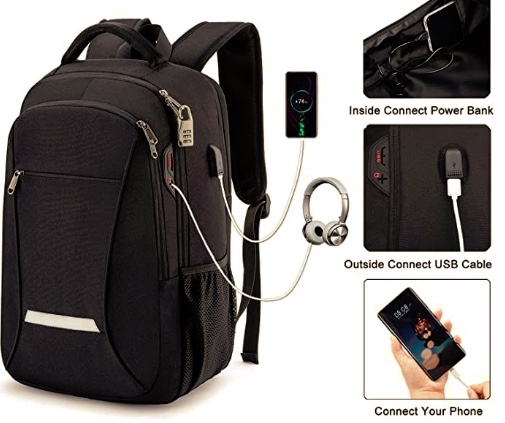
Becoming popular with students, newer backpacks are now available with cables to attach a power bank inside and outside ports to connect a phone on some a headphones. This could also be good for hikers and day trips.

This black backpack with one separate padded laptop compartment holds and protects laptops from 13 Inch,14 Inch,15 Inch, up to 15.6 Inch. The middle spacious compartment for daily/work/travel/school necessities. Front compartment with many dividers for small items will keep your gear organized and easy to find.
Shore Excursions Out Of Sync With Reality

Short Stories

Cruise lines and ships generally do a good job contracting with tour companies to provide shore excursions for their passengers and that can, at times, be a monumental undertaking. When ships visit ports on a regular basis the job of booking tours is mostly routine – same port, different day. Sometimes the port is not on a regular itinerary list or is a brand new destination for the cruise line. In those cases there is a lot of new ground work to do and a fair amount of reliance on local tour companies. Sometimes things don’t go just as they were planned.

Lands End Cabo, Mexico

A Sunset Cruise Without A Sunset

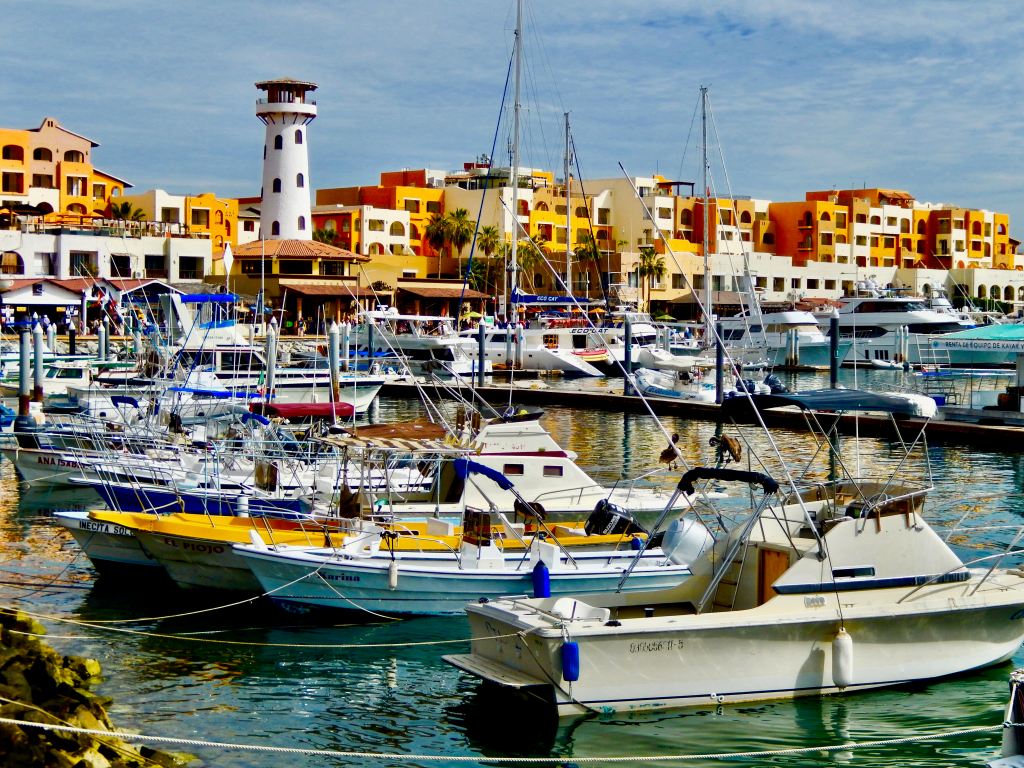
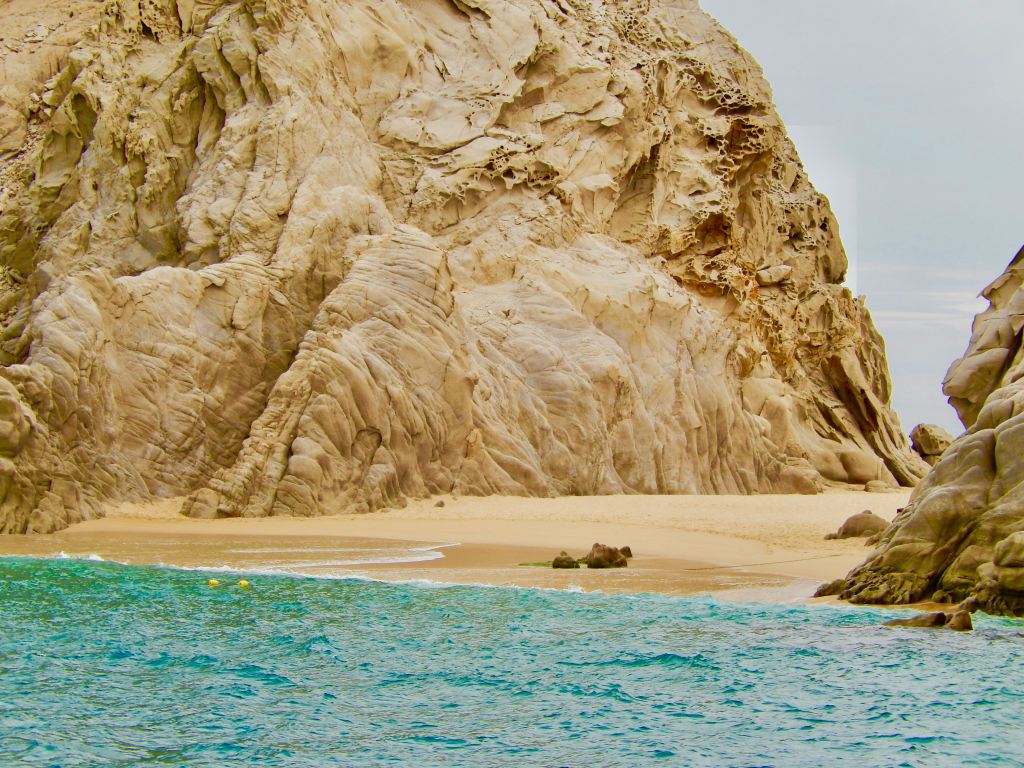
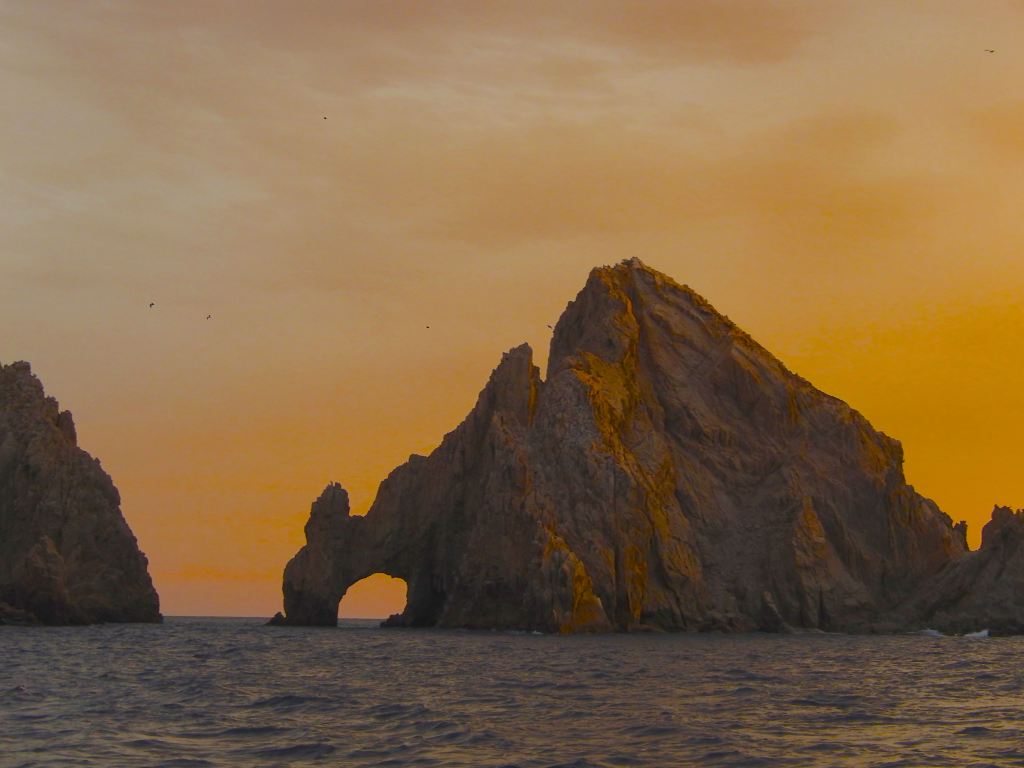
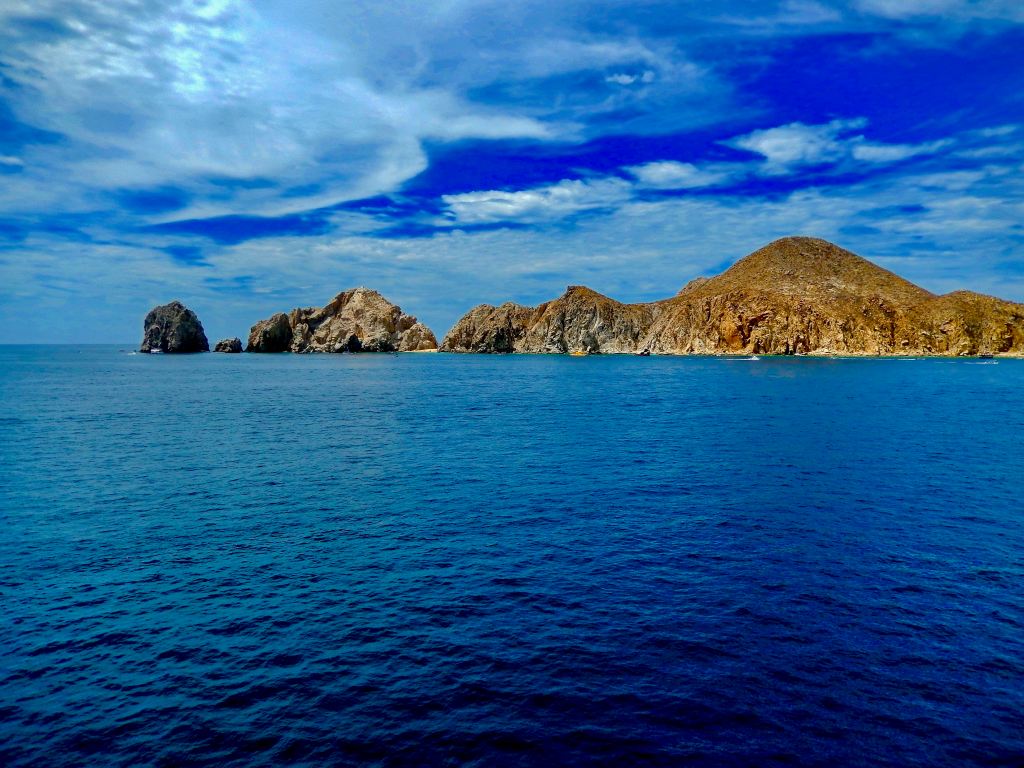
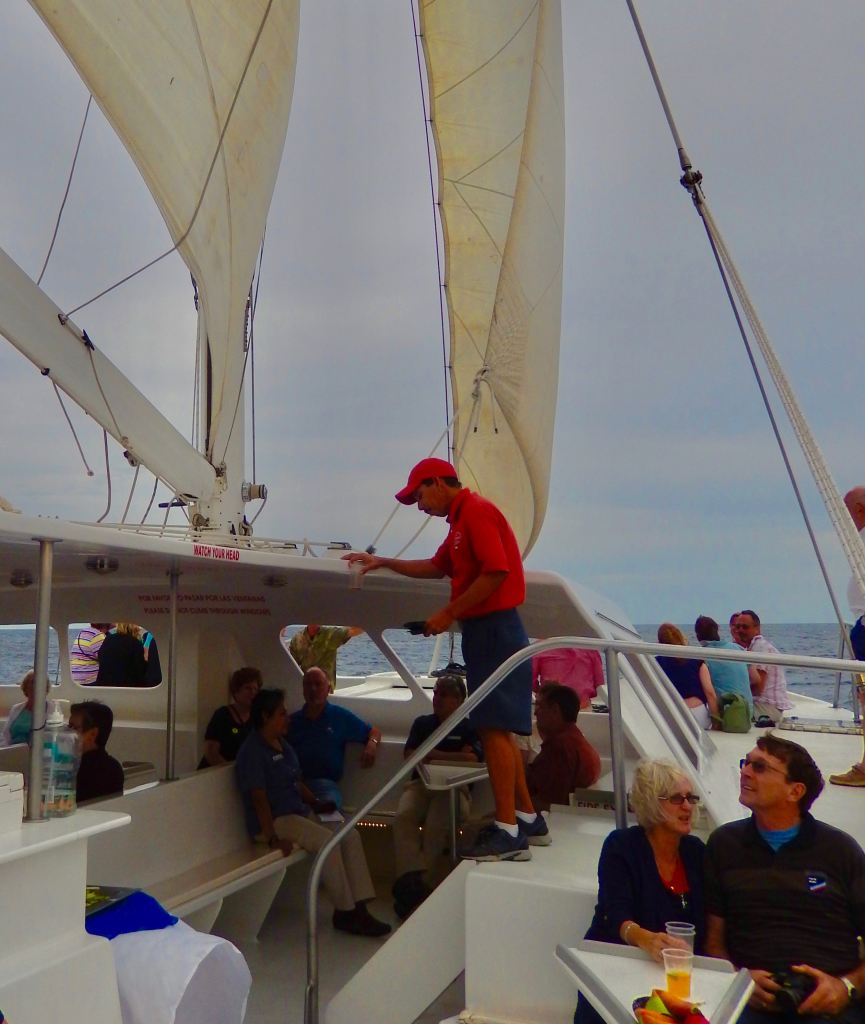
On a Panama Canal cruise that was to finish in San Francisco there was a scheduled port of call in Cabo San Lucas. Having been to Cabo a couple of times we decided we’d book a sunset party cruise for something different. Cabo is an upscale resort city that sits at the very tip of the Baja Peninsula. Off to the west of town are some incredible beaches with names like Playa del Divorcio (Divorce Beach) and Lovers Beach Playa de los Amantes (Lovers Beach) surrounded by steep cliffs and a few rocky islands and the famous arch of Cabo.

Cabo Harbor
Lovers Beach

Two days out of Cabo we were sitting on deck watching the Sun drop into the Pacific and realized it was almost eight o’clock. Checking the reservation time for our two hour sunset cruise in Cabo we realized it was for five o’clock? The next day we checked with the ships tour desk and at first the attendant just couldn’t understand our problem with a sunset cruise that ended at seven when the Sun set at eight. That was a situation that required calm patients.

The Arch of Cabo

Long story short, that evening we got new reservation confirmations with the cruise leaving at seven instead of five. It was a light breeze, calm seas, good snacks and drinks and a really spectacular sunset.

Sightseeing In The Dark

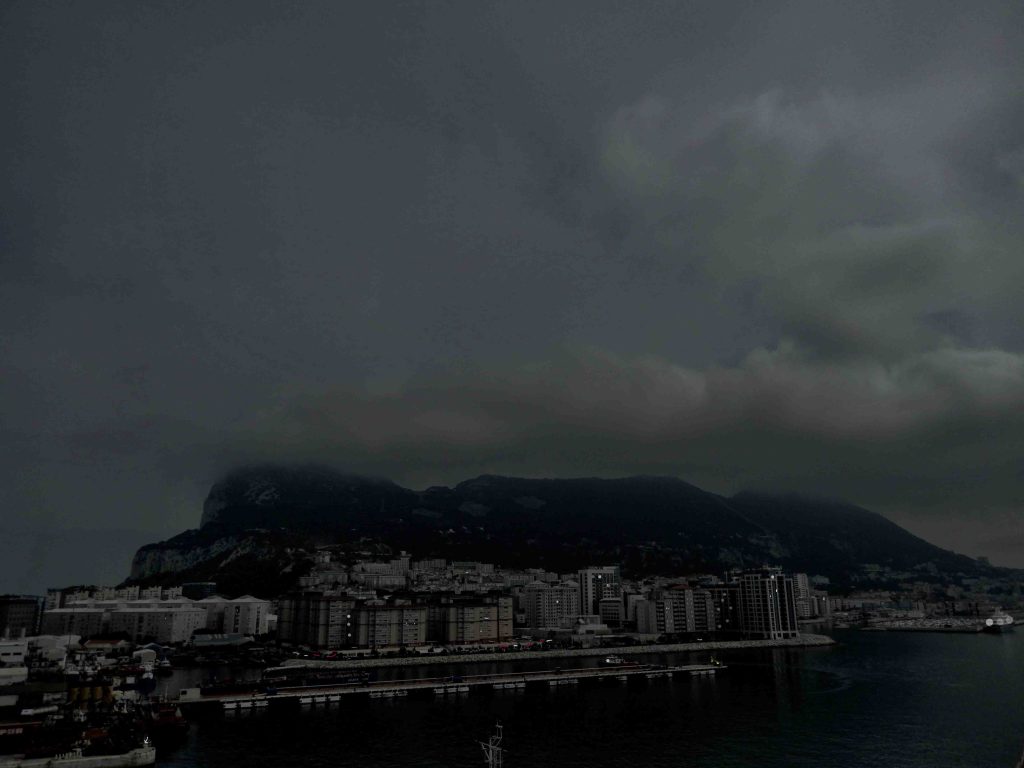
A long time ago in the Navy we called it “chopping the rock” meaning passing through the Straights of Gibraltar. The ships log would record the time of each transit and I served on a ship that routinely passed through the straights dozens of times. It’s one of the world’s great ocean passages with the Atlas Mountains of North Africa off to the south and the Rock of Gibraltar to the north standing in majestic solitude. I’ve seen the Sun set behind Gibraltar in the evening and I’ve watched the the Sun rise as we sailed east into the straight. Over those years we went into the port of Gibraltar only once.

A couple of years ago we were on a trans-Atlantic sailing out of Italy with a scheduled port day in Gibraltar. I wanted to show my wife the upper Rock and the apes that lived that stole my hat a long time ago. We booked a general tour that included the caverns, the gun batteries dug into the Rock and a visit with the Gibraltar apes. The ship was supposed to dock before four a.m. And it seemed odd that the tour time was for 4:30 but assumed that the ship and tour operator knew what they were doing.

As the tour bus drove out of the port facility in total darkness I wasn’t so confident anymore. First stop was the lighthouse for a look at North Africa. Still dark there were lights bobbing around in the straight and if the beam of the light was maybe stronger we would have seen a bit of Africa. We climbed the Rock still in total darkness and we couldn’t get into the battery because the facility wasn’t open yet. The bad news was I lost a few hours of sleep for nothing but the good news was the ship refunded the tour price. Still not so sure who set that up and why nobody checked the time of sunrise.

The First Ship To Dock At The New Puerto Quetzal, Guatemala

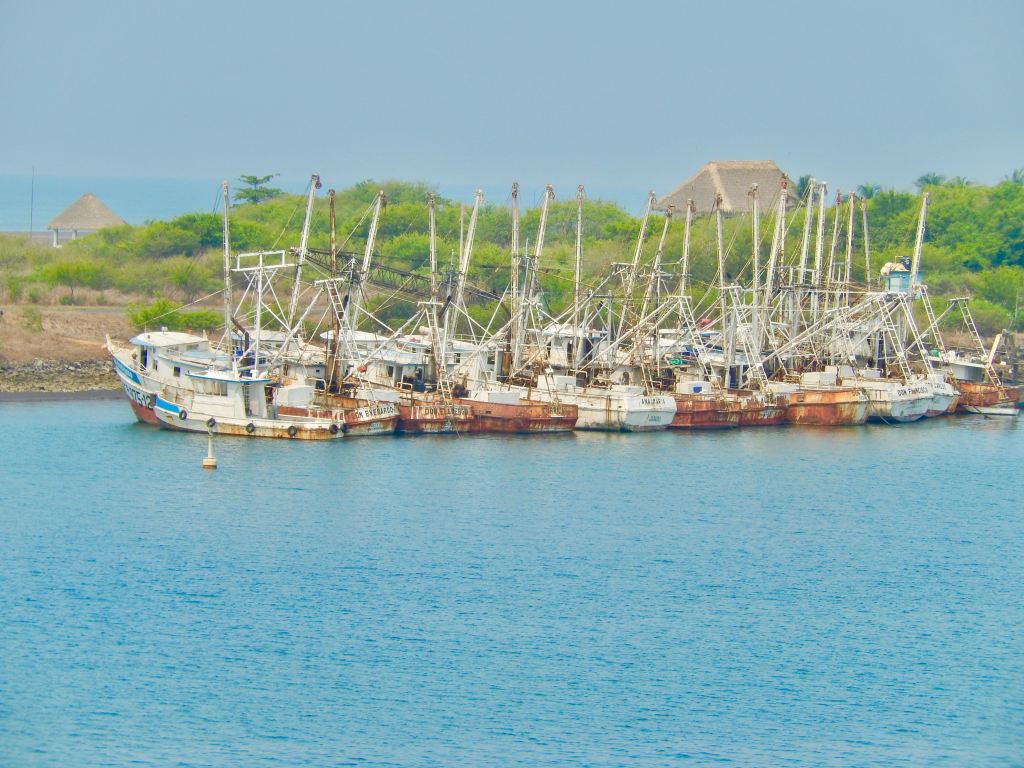
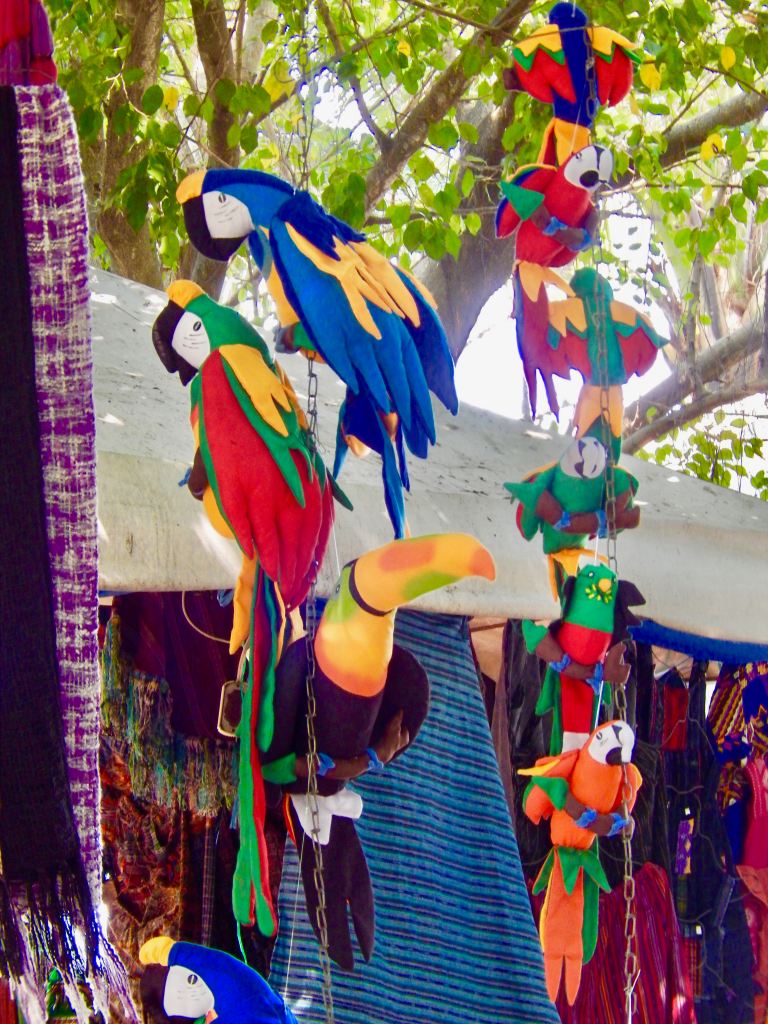
On a southbound cruise from San Diego our ship was the first cruise to make a call at the newly developed port of Quetzal, Guatemala. The countries government was ready to show off their new cruise port and it was obvious that a lot of effort had been put into impressing the cruise companies. The cruise facility had a really nice crafters village next to the pier and there were several dozen stalls selling mostly hand crafts. We picked up some local jade carvings and a few beaded Christmas ornaments before heading out.

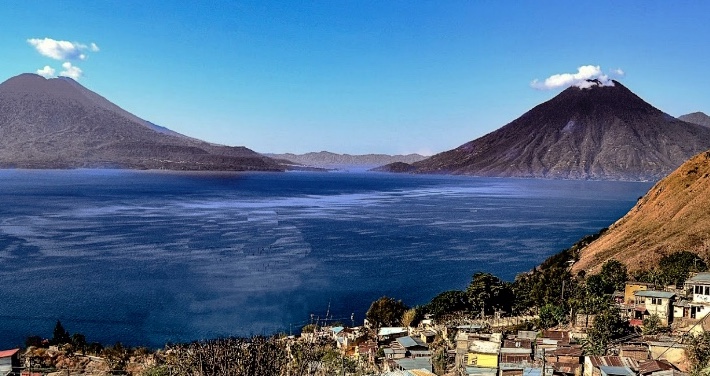
For the excursions a local company had been set up as the tour provider and a number of excursions were offered through the ship’s excursion desk. One tour was a trip to Lake Atitlán and the Volcáno San Pedro about seventy-five miles from the port. The countryside, rainforests and landscapes were fantastic and rising above the mountain lake on a near shore were two impressive volcano cones jutting into the sky with halos of smoke curling around their peaks.

On the right Volcáno San Pedro

The roads were narrow and the trip to the lake took a surprising amount of time. After a couple of hours sightseeing around the lake it became obvious that there was no way the tour would make it back in time for the scheduled ships departure. It’s common knowledge that ships don’t sail away and leave a tour booked through the ship but it seemed nobody told the Guatemala government. The tour operator panicked and called his government contact and because of the importance of making a good first impression, the government official panicked too. Shortly after the bus began rushing down the mountain it was joined by military jeeps with flashing lights and sirens out ahead and the pace picked up considerably. Fifteen minutes later a military helicopter joined the group flying low and a several hundred feet ahead of the jeeps. It was a wild and exciting ride that almost made it back on schedule and gave a group of passengers something to remember.

Fashion For The Traveler

The Importance of Selecting the Right Travel Clothes

This is a great age for travelers with our incredible selection of clothes engineered for performance and comfort. We have a travel collection of clothes made with these wonder fabrics. T’s and polos that keep us cool and wash out easy, along with long sleeve undershirts for colder weather. Nylon jackets and light weight weight slacks travel well with little care required.

Light Weight, Quick Dry Travel Clothes

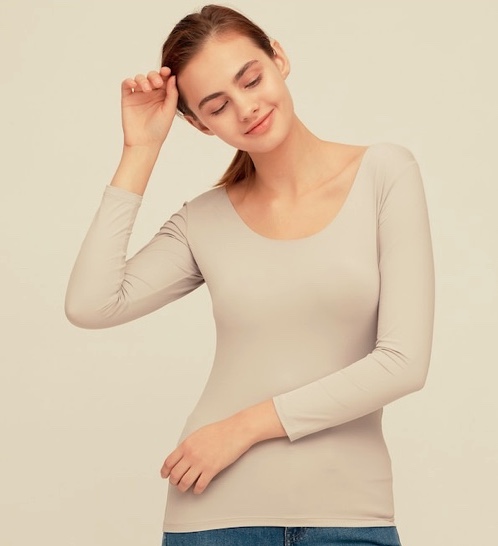
One of the best ways of reducing your travel weight is to carry less and lighter weight clothes. Todays new wonder fabrics and blends make the job of packing for a trip easier than ever. Warmer, cooler, moister wicking, fast drying clothes for traveling are available from a number of sources. Perfect for layering, they rinse out in a sink and are dry and ready to wear again in an hour or two. Featured here are two of our favorite brands, 32° and Uniqlo AIRism.

Uniqlo features a huge collection of fashion clothes at reasonable prices

Japanese company that has opened stores all around the world, Uniqlo features a whole range of fashions using the new miracle fabrics. Their AIRism is promoted as a smart, breathable base layer that releases heat and moisture and adapts to any weather condition.

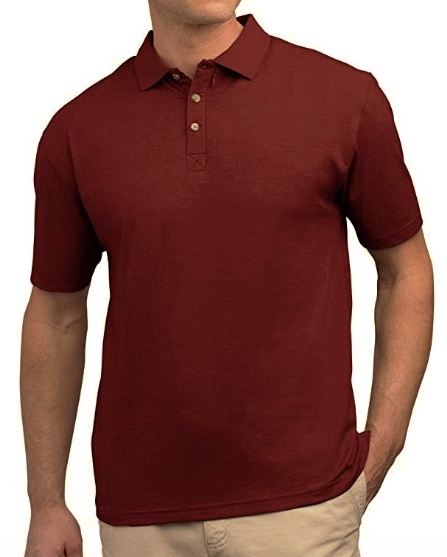
Even their heavier weight polo shirts will rinse out and dry quickly.

Please Note: While we are fans of Uniqlo and travel with their clothes we don’t receive any commission or fees from the company.

Women’s Quick Dry, Hiking Pants – Lightweight Drawstring Athletic Pants, Water Resistant

Great travel pants that include two zipper pockets for extra security. 88% nylon/12% spandex, breathable, quick dry, moisture-wicking fabric keeps you cool and relaxed all day.

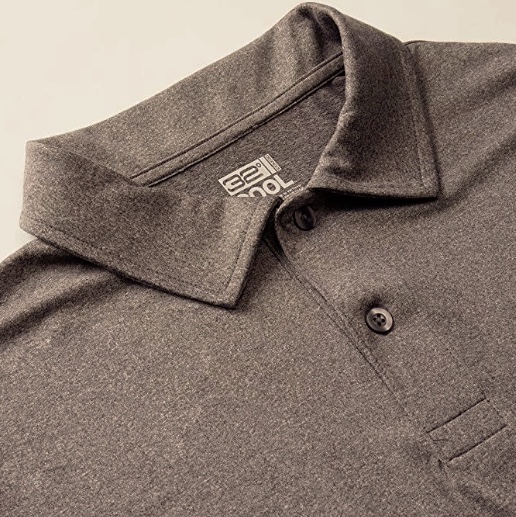
32° is a great performer in hot or cold

This is our first choice in travel wear shirts. They resist wrinkling, wick out moisture on hot days and rinse and dry in an hour or so. I have a collection of polo shirts and T’s and my wife has a spectrum of colorful T-tops. For cold weather we carry their long sleeve T’s as undershirts for extra protection.

I frequently wear their T’s with a sport jacket and slacks in the evening.

A pickpocket proof mens polo shirt

Sometimes if you are going to be out and about in a strange environment some extra caution is advisable. Here’s a polo shirt with two zippered pockets for phones, passport and money.

If you’re an avid traveler this is a must have item in your wardrobe just in case.

Lightweight Mens Cargo pants that convert to shorts

Mens Pants with comfort fit side elastic waist, freedom of movement, water repellent that still breathe freely with a belt. hook & loop pock closures for security of your belongings


Convertible Pants: Zip-off pant legs make for an easy change from pants to shorts, suitable for travel in hot and cold locations.

Shoes Matter A Lot

Light weight for packing, good foot support and breathable are important features for the serious travelers choice in foot gear.

Light Weight Running Shoes

Click image to shop Feetmat running shoe
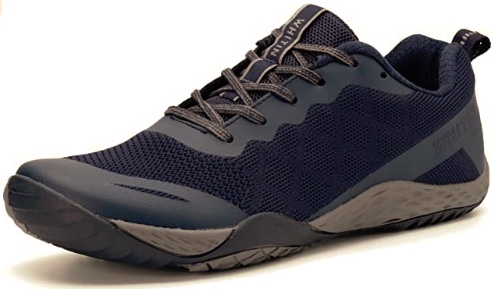
Click image to shop Whitin running shoe

Feetmat Women’s Running Shoes – ultra light weight and very breathable. They also have some very nice water shoes.

Whitin Mens Running Shoes – An ultra light weight and rugged running shoe.

Laundry & Dealing With Wrinkles on the Road

Laundry soap packets, inflatable hangers and wrinkle release are part of our regular travel items. Unpacking and spraying away wrinkles and rinsing items out in a sink is all part of serious travel. Again we have settled on a number of must carry products.

A Collection of Some of Our Favorite Travel Accessories All Available Online

Our Easy Travel Wrinkle System

Click the image to link to this item on Amazon.com

Our system involves carrying a 2 or 3 oz spray bottle containing just a very small amount of ingredients. Once we are settling in and hanging up clothes we fill that spray bottle up with water and shake vigorously and mist those clothes wrinkles. Here’s the secret formula.

To a 2 or 3 Ounce Bottle add the following ingredients

  • 1 Teaspoon rubbing alcohol
  • 1/4 Teaspoon uncolored fabric softener
  • Shake

When needed, fill the bottle with water and shake well and mist those wrinkles away.

The Easier and Free Alternative

The truth is that a gentle mist of just water will relax most cloth enough to drop out those wrinkle. So if you don’t want to bother mixing up a batch of wrinkle remover, just carry that empty bottle and just fill with water. Less hassle and it works almost as well.

Freshen Up Your Clothes While You Travel

These items don’t just save money but time too. We travel over a quarter of the year with an average trip being around thirty days. Over the years we’ve developed a system that involves easy to rinse out cloths, travel detergent and accessories to hang up items and prevent wrinkles.

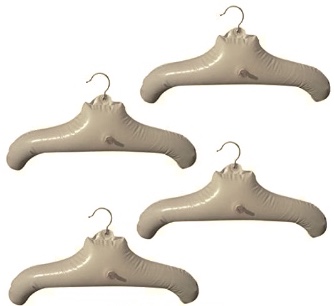
Our Favorite Inflatable Travel Hangers

These rugged hangers pack flat and inflate providing a broad shape to prevent those puckers that flat hangers can produce on shoulders of blouses, shirts and T’s.

Click the image for a direct link to Amazon.com


Wash Out Clothes On The Road

Handy packets of mild laundry detergent to rinse out clothes in a sink. There are a number of choices but these are easy to carry and meet our requirements.

Click the image for a direct link to Amazon.com

Cruising And The Panama Canal

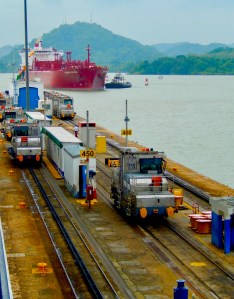
A Holland America ship enters a lock on the left while a dry cargo ship gets ready to enter the right side lock following a tanker through the canal.

Going up a lock to Gatún Lake

The best way to experience the canal is on a cruise ship. Generally these cruises start from major cruise ports of Miami, Ft. Lauderdale, San Diego, Los Angeles and San Francisco. They usually include a number of itinerary stops that can include Grand Cayman, Cartagena, Columbia, Colon in Panama, ports in Guatemala, Costa Rica, Honduras and Mexico but the star of the trip is the Canal.

In 1880 the French tackled what was to be one of the biggest engineering projects ever. The intent was to dig a canal from the Caribbean across Panama to the Pacific Ocean. They were defeated by some mountains but mostly by a mosquito and the single celled organism that causes malaria.

In 1903 President Theodore Roosevelt of the United States took on the responsibility of getting done a long-term United States goal, completing the trans-isthmian canal. In order to get the U.S. authority a number of treaties were attempted and finally the U.S. backed a revolutionary movement that gained Panama independence from Columbia and granted the U.S. ownership of the property.

The new canal projects success was partly the result of healthcare advances made during the construction, led by William Gorgas, an expert in

Gatún Lake

controlling tropical diseases including yellow fever and malaria. Gorgas was one of the first to recognize the role of mosquitoes in the spread of these diseases, and by focusing on controlling the mosquitoes greatly improved worker safety and health.

This slideshow requires JavaScript.

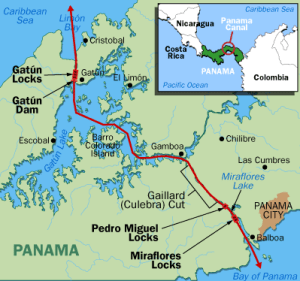
The American engineers abandoned the French plan of a sea level cut and went to a design using locks to lift ships up to the level of Gatún Lake and back down again. One of the biggest projects was the Culebra Cut through the roughest terrain on the route and remains one of the largest earth –moving projects ever tackled.

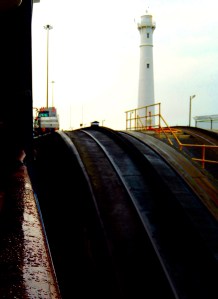
Transiting the locks

Later in the construction it was decided there would not be enough water reserves to operate the locks. Several dams were built with one being a dam at Pedro Miguel which encloses the south end of the Culebra Cut (actually an arm of Gatún Lake). The Gatun Dam is the main dam blocking the original course of the Chagres River, and resulted in creating Gatún Lake. Additionally two dams were built at Miraflores that enlarged Miraflores Lake.

Cabo San Lucas, Mexico
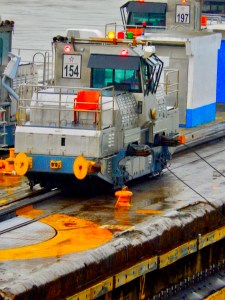
Mules prepare to receive a tanker
A new electric Mule

We have taken a couple of cruises that transit the canal and are always enthralled by the trip thru the locks and lakes of this remarkable place. Ships are pushed and pulled by tugs and canal rail engines called “mules” into locks with only inches of clearance. Water roars out of exhaust ports and massive ships rise and drop effortlessly within the locks.

Cruising across Lake Gatún is like a journey thru a primitive and beautiful rain forest with numerous islets. Dozens of ships glide along near us as they line up to re-enter the locks. Transiting the Culebra Cut with its walls towering above leaves us overwhelmed by the shear tonnage of dirt that had to be excavated and hauled away.

Many cruises stop at Cristobal Pier near Colon where locals offer crafts and wares for sale with usually Kuna Indians from the San Blas Islands among the merchants. Many of the cruise ships require a quick paint touch-up at the exit dock to cover up numerous rubs and scrapes from the passage through the locks

Up until recently the canal could only accommodate ships designated Panamax. Those original locks are 1,050 ft (320.04 m) in length, 110 ft (33.53 m) in width, and 41.2 ft (12.56 m) in depth. These limits have influenced the ship building industry to build Panamax vessels for the past hundred plus years

On September 7, 1977, President Jimmy Carter signed the Panama Canal Treaty and Neutrality Treaty promising to give control of the canal to the Panamanians in the year 2000. After Panama took control the Panama Canal Company started an expansion project. The expansion project started construction in 2007 and opened for commercial operation on 26 June 2016. The new locks allow transit of larger Post-Panamax and New Panamax ships, which have a greater cargo capacity than the original locks could accommodate. New Panamax ships will have a dimension of  1,200 ft (366 m) in length, 160.7 ft (49 m) in width and 49.9 ft (15.2 m) in depth. Unfortunately many of the cruise industries new mega-ships still cannot cruise the canal mainly because they are too tall to cruise under the bridge at the Pacific end of the canal.

All-in-all this is a fascinating journey and one of the three or four  best itineraries we’ve taken. The ports-of-call are an opportunity to visit a number of Central American countries and see some of this interesting region.

This is a very popular cruise itinerary, transiting the Panama Canal. Canal cruises generally cover three options. First is west to east normally starting in a California port like San Diego or LA and ending in a Florida cruise port like Miami or Ft. Lauderdale. Next there is the reverse, east to west finally some Caribbean cruises that include a trip part way through the canal returning to the Caribbean.

The Forum In Rome, The Eternal City

Rome The Eternal City

The expression goes “all roads lead to Rome” but the center of the Roman Empire was actually the Foro Romano or the Roman Forum. Rome was the center of Roman civilization for over 1,200 years from its founding in 753 BC. The Roman age went through a number of phases from the early Roman Kingdom (753 BC–509 BC) through its expansion period with the Roman Republic (509 BC–27 BC) followed after the death of Julius Caesar with the imperial Roman Empire (27 BC–476 AD) until the fall of the western empire in 476 AD.

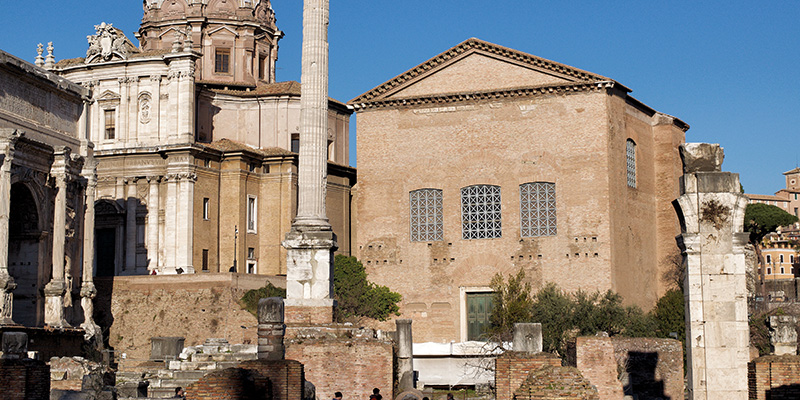
Much of ancient Rome can still be visited in modern Rome with the center being the important Sites in the Roman Forum with a number of important buildings, statues and monuments located in the historical site.

A – Senate House: The senate house, known as the “Curia,” served as the council house of the Senate and a place for political events. It was repurposed a number of times, and was converted into a church in 655 A.D. It was on the steps of the Senate where Julius Caesar was assassinated.

B – Temple of Saturn: The first Temple of Saturn was built around 498 B.C. and is considered one of the earliest temples in the Roman Forum. The current ruins date back to roughly 42 B.C. This building was dedicated to Saturn and was also used as the treasury for Rome.

C – Arch of Titus: This arch was constructed in 81 A.D. by the Emperor Domitian for his brother, Emperor Titus, who was victorious in putting down a revolt in Jerusalem.

D – Temple of Vesta: The Temple of Vesta was a circular-shaped temple that was dedicated to Vesta, the goddess of home and family.

E – Temple of Castor and Pollux: Completed in about 484 B.C. It was dedicated to the Roman twin demi-gods, Castor and Pollux, and underwent several reconstructions.

The Rostra located near the Temple of Castor was a raised space where people could stand to make public speeches.

The Sacra Via: A pathway for ceremonial processions, this was the main road that ran through the Roman Forum and connected the various important sites. This famous street connected to the Colosseum, which was within walking distance of the central Forum.

Outside of the Roman Forum a number of sites remaining from the Roman capital can be explored that include:

Baths of Caracalla Ruin · Viale delle Terme di Caracalla are ruins of a vast Roman bath complex.

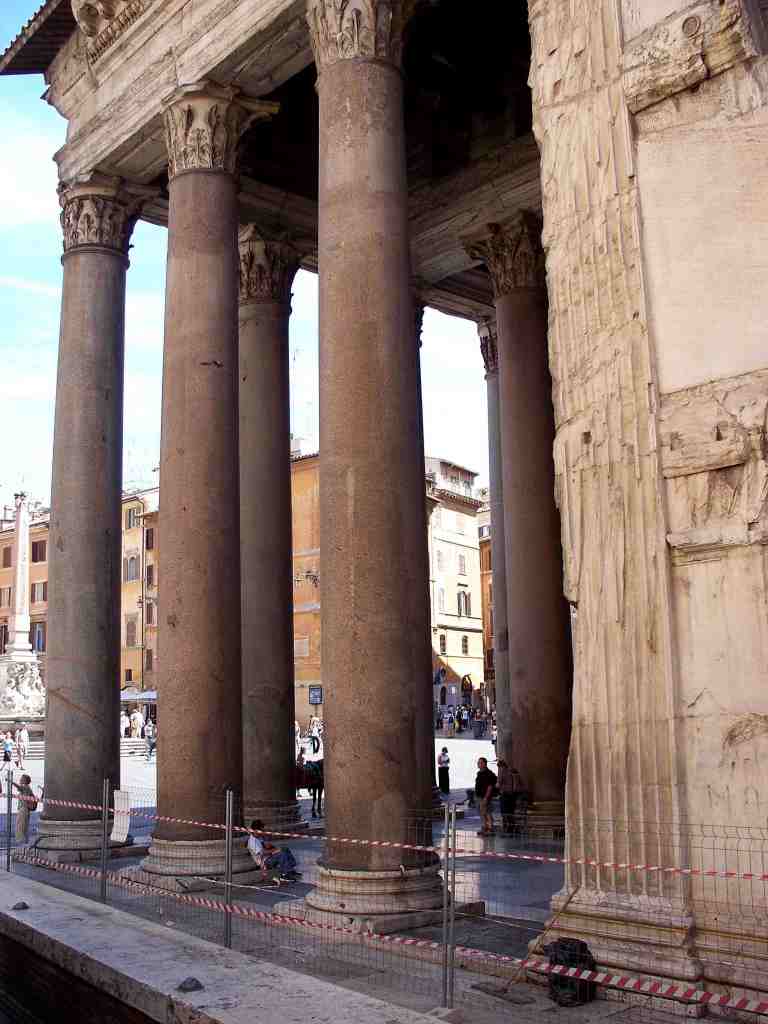
Pantheon – Piazza della Rotonda a historic Roman temple now a church.

Colosseum – Piazza del Colosseo, the iconic ancient Roman gladiatorial arena.

Circus Maximus – Via del Circo Massimo the area where a massive stone arena stood for huge scale Roman games.

Aqueduct Ruins – Via del Tritone, an ancient Roman acqueduct is still in use today.

Marcello Theater – Via del Teatro di Marcello is a Roman theater still holding summer festivals.

Walt Disney World • A History

Walt Disney was the inventor of the theme park back in 1965 with the opening of DisneyLand and the success surprised even him. Because he hadn’t anticipated just what a momentous accomplishment it was going to be he made a very serious mistake. He built Disneyland on a parcel of land in a growing urban area of Los Angeles, California. His creation had an explosive effect on property values adjacent to the park and there was no way for him to benefit from what others were building nearby or to expand the park itself.

He vowed not to let that happen again, and soon in Florida he began to secretly buy up a large tract of rural land west of Orlando. When the Disney organization was done buying land they had acquired 52 square miles of real estate, of which 47 square miles would be considered Walt Disney World. To appreciate just how big it is consider that New York’s Manhattan is less than 35 square miles. In addition to buying the land, they convinced the state of Florida to grant them a special authority. That created the Reedy Creek Improvement District which is the official governing authority of Walt Disney World. As of 2020 less than a quarter of that original land allocated to Disney World has actually been developed.

The Contemporary hotels skeleton goes up.

Walt Disney was the force behind the planning for his “Disney World” but unfortunately Walt died in late 1966 and never saw his Florida dream fulfilled. Disney World opened in 1971 with one theme park, a duplicate of DisneyLand, called the Magic Kingdom, three hotels, the Polynesian Resort, the Contemporary Resort, the Golf Resort and golf course and a campground. That was just the opening act because in less than thirty years it would explode to four theme parks, two water parks, thirty Disney owned hotels, three golf courses and 17 additional privately owned hotels.

The Contemporary with monorail tracks in front.
Monorail traveling through Epcot.

In 1975 the shopping district at Lake Buena Vista opened and in 1982 the Epcot theme park opened. In 1989 they added Disney MGM Studios (later renamed just Disney Studios) and the first water park, Typhoon Lagoon. 1998 saw the opening of the Animal Kingdom Park.

In creating DisneyLand Walt had assembled a creative team of engineers, artists, architects and designers that he called Imagineers. He soon deployed their talents to create some major pavilions for corporations at the 1964 New York Worlds Fair, which, after the fair closed were moved and installed at Disneyland.

Walt Disney also understood that transportation inside his “World” had to be highly efficient at moving large numbers of people around. From the beginning a number of interesting transportation innovations were planned. To get people from the parking lot to the Magic Kingdom a monorail system was developed along with motor launches and large ferry boats crossing the lake. There were also a number of waterways designed into the World that provided for boats to move guests.

Disney Studios Park

Walt was also an avid scale railroad enthusiast and he included an operational steam engine train as a ride at DisneyLand and Florida’s Magic Kingdom but he also installed The Fort Wilderness Railroad a 2.5 and 3.5-mile 2 ft. 6 in. narrow gauge steam-powered railroad that operated between Disney’s Fort Wilderness Resort & Campground and the River Country water park. After an operational trial period in late 1973, the railroad officially opened on January 1, 1974. After a couple of accidents, problems with track maintenance, pedestrian safety concerns, and noise issues, railroad operation was scaled back after 1977 and closed permanently in February 1980.

In Walt’s original vision for Disney World he planned to build a futuristic city called Epcot that would include residential neighborhoods, offices and shops. EPCOT stood for experimental prototype city of tomorrow. As Disney World developed, financial reality dictated that increased revenue required more attractions and the Epcot plan evolved into another theme park. The vision was changed and promoting the new park as a permanent World’s Fair, Disney management convinced a number of corporations including GE, Kodak and GM to finance pavilions. In keeping with the Worlds Fair theme Disney also promoted dedicated exhibits for a number of countries.

Animal Kingdom Park

Disney management around 1990 was testing concepts for new attractions and animal themes tested high on the surveys. That information along with the Disney brands wide involvement with animal characters and stories convinced Disney CEO Michael Eisner to explore a new animal based theme park. As the story is told, Eisner and company executives were concerned about the problems and expenses in keeping live animals and if a zoo based live animal attraction would really draw in guests.

Joe Rohde was the head of the Imagineer team developing the park and was convinced that live animals were important. To make his point one day he brought a live, 400 pound Bengal tiger into a meeting with Eisner and senior management. As Rohde gave the presentation, the tiger roamed around the room. After the experience of being eye to eye with a full-grown live tiger, Eisner agreed that live animals would be central to Disney’s Animal Kingdom.

Today in a world full of theme parks and resort hotels Walt Disney World has no equal and truly deserves the title of the happiest place on Earth.

The Grand Floridian Resort on Seven Seas Lagoon.