Searching For Kürtőskalács In Budapest – An Update 2022

Kürtőskalács In Budapest

A Short Story

Budapest is probably one of the World’s most underappreciated cities. In Europe we’ve spent time to Rome, London, Paris, Amsterdam, Athens, Vienna, and more and we would put Budapest near the top of our list. It has incredible cityscapes and gardens and a walk along the Danube at night is magical. Cafes and restaurants are great and the public transportation is World class.

We spent a number of days in Budapest five years ago and this summer we were eager to get back. Before our last trip, as usual, we did research and one thing that stood out was that we had to try Kürtőskalács the favorite Hungarian pastry. When we returned much had changed and one major was the availability of Kürtőskalács.

Market Hall

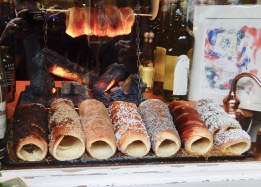
What we discovered is Kürtőskalács or Kürtős kalácsis are a Hungarian pastry also known as chimney cake, or stove cake or Hungarian wedding cake. It is baked on a tapered cylinder on a spit over an open fire or hot charcoal and rolled in a number of various flavor coatings. Originally from Transylvania, it is famous as Hungary’s oldest pastry and is found in other European countries under different names.

Five years ago since it is considered the national pastry of Hungary you would think the search should be easy. Right? The first problem experienced was the Hungarian language and having no idea how to pronounce Kürtőskalác. Hungarian is a very hard language to learn because it is complex and very unique and despite the country’s location in central Europe, its dialect is nothing like those spoken in neighboring nations. While Hungary’s language is generally referred to as Hungarian in fact its proper name is “Magyar” and worldwide it’s only spoken by 13 million people with over 9 million of those living in Hungary. While a large number of Hungarians have a good command of English, virtually all signage displays are in only Hungarian. From just the word Kürtőskalác you can see how difficult the language is.

Recognizing the language problem I put Kürtőskalác on a note app in my cellphone so I could show people what I was looking for. Budapest has a famous Market Hall with food and restaurant stalls and seemed like the logical place to start. Everyone was very eager to help but had no suggestions as to where to find them. One baker gave us directions to a place four or five blocks away that might make them. They didn’t and couldn’t suggest where to go next.

It is a pastry and you would think it would be common in bakeries but we learned that’s not the case. It seems it is the requirement to bake over charcoal or open flame that causes a problem for indoor shops.

After five days in Budapest we gave up our search to find some Kürtőskalács. On day six we took a train to spend a day in Slovakia and returned to Budapest after Sunset. As we walked out of the Central Station there was a line going down the sidewalk leading to a food truck. It was a Kürtőskalác food truck! We started with a cinnamon-sugar one to share but will surely come back in a day or two.

Returning this past June the change was amazing. Everywhere we turned there were shops and stands selling Kürtőskalács. On a five block long pedestrian mall, that had no Kürtőskalács five years ago, we could now take our pick from six different vendors. Within two blocks of our hotel there were two. Even the Market Hall had two stands and we’re left with wondering what has happened since our last visit?
Hungary’s Magyar Cowboys

Keeping the Magyar Csikós Tradition Alive

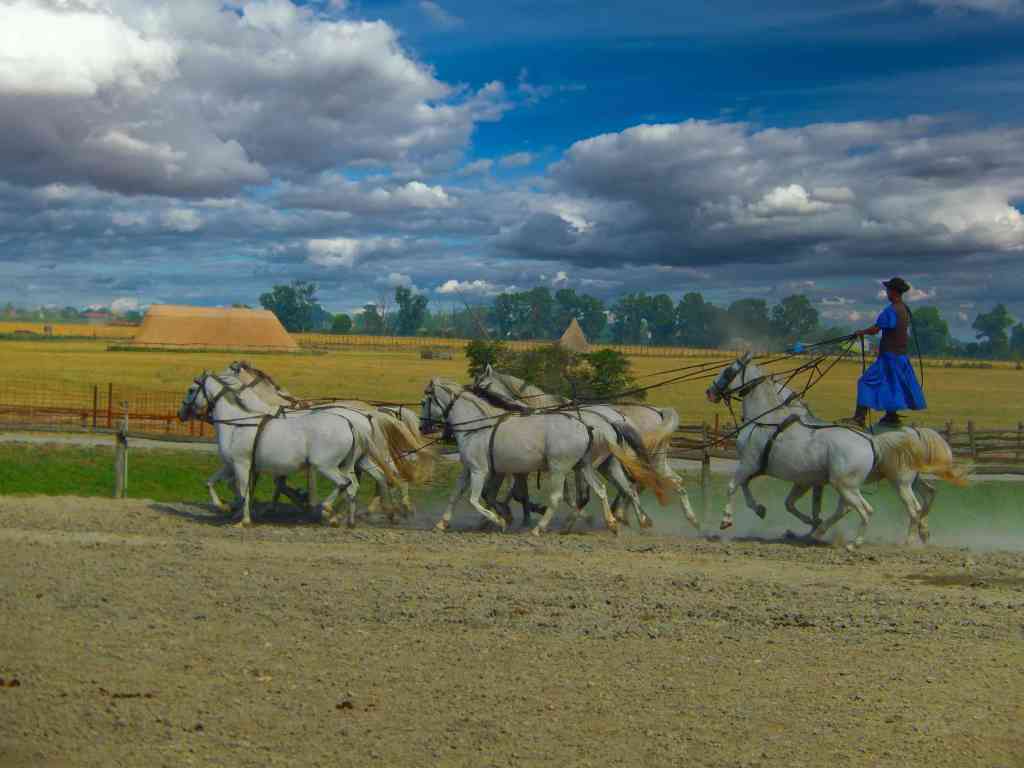
Long before cowboys roamed the American West, there were Hungary’s Csikós. Nobody is really sure how far back the Hungarian cowboy tradition goes but we know they are descendants of the Magyar warriors.

To understand how important the Magyar heritage is to the Hungarian population and why Hungary is unique in Europe you need to look back fifteen hundred years. The Magyar roots go back to China and Northern India and are intermixed with the Hun invasion led by King Attila. Both groups were probably independent but shared similar traits and origins. Both were famous warriors and horsemen who migrated west out of Asia into Europe and probably fought local populations and the Romans for control of territory. The Hungarian language is a topic of much debate but is probably a mix of the protolanguage Finno-Ugric and Turkish and is believed to not be related to the original Magyar.

Since 480 AD the Magyar have been native to Hungary and the Puszta or Great Hungarian Plain that stretch across 56% of Hungary and includes large parts of Romania, Serbia and Croatia. The traditional Magyar Csikós horsemen of the Puszta have been caring for their horses and tending their herds for countless hundreds of years.

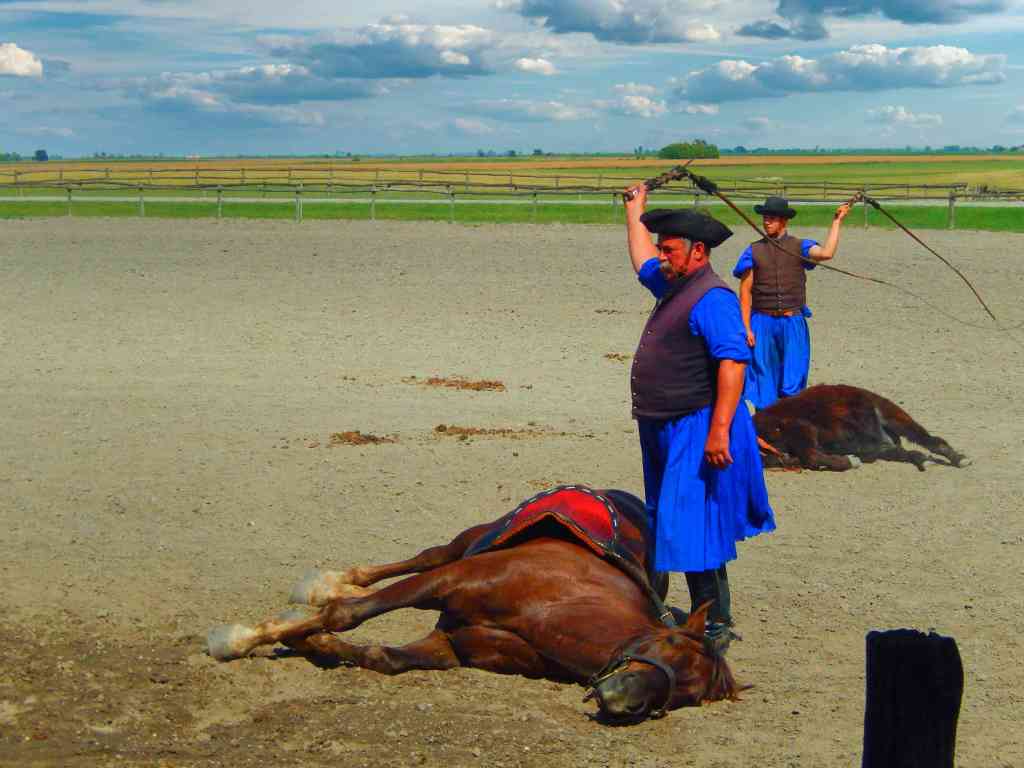
Today in Hungary the traditions of the Magyar cowboys are carried on at a Hungarian horse show on a ranch near Kalocsa, Hungary. It is connected to a UNESCO declared part of the Puszta, the Hortobágy National Park, and a World Heritage Site since 1999. Included in the show are demonstrations of the Csikós renowned horsemanship – as well as of the specific practices unique to their traditions. In the 18th and 19th Centuries, when highwaymen (or betyárs) roamed the plains and attacked ranches and travelers, it was vital for horses to be trained to fight and evade. The Csikós taught their horses to lie flat on the ground on command, concealing them and their rider in the tall grass. They also conditioned the horses to the sounds of gunshots by loudly cracking their whips.

The Hortobágy National Park was founded in 1973, occupying over 500 square miles, the park is both the country’s largest protected area and the largest continuous natural grassland in all of Europe. The region is still home to these mounted herdsmen who keep the culture alive with traditional dress featuring a blue linen shirt and trousers or skirt with a black, wide-brimmed hat and feather. Today these Csikós hold a similar place in the country’s cultural history as cowboys do in the United States.

Florida’s Air Force Armament Museum

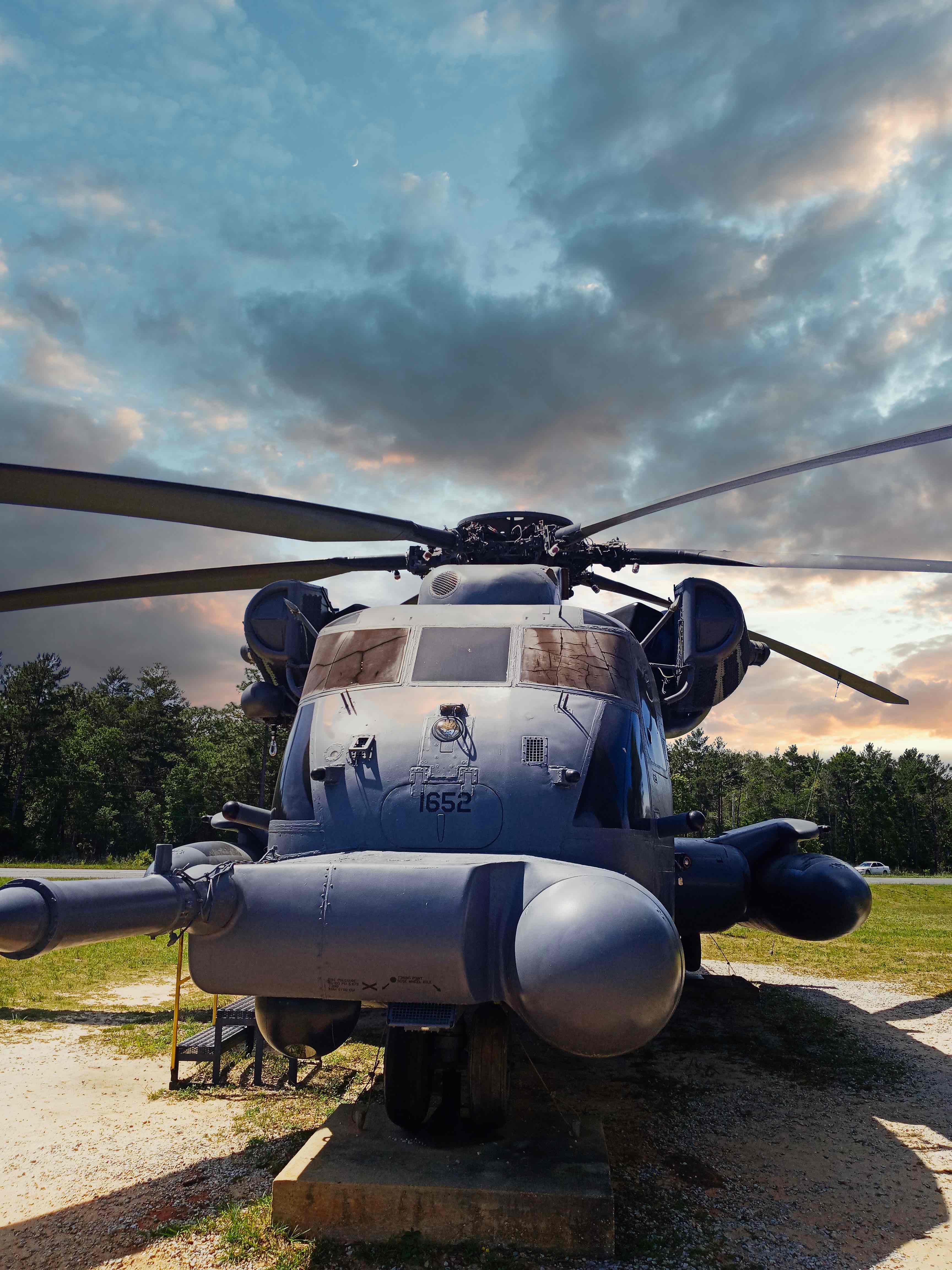
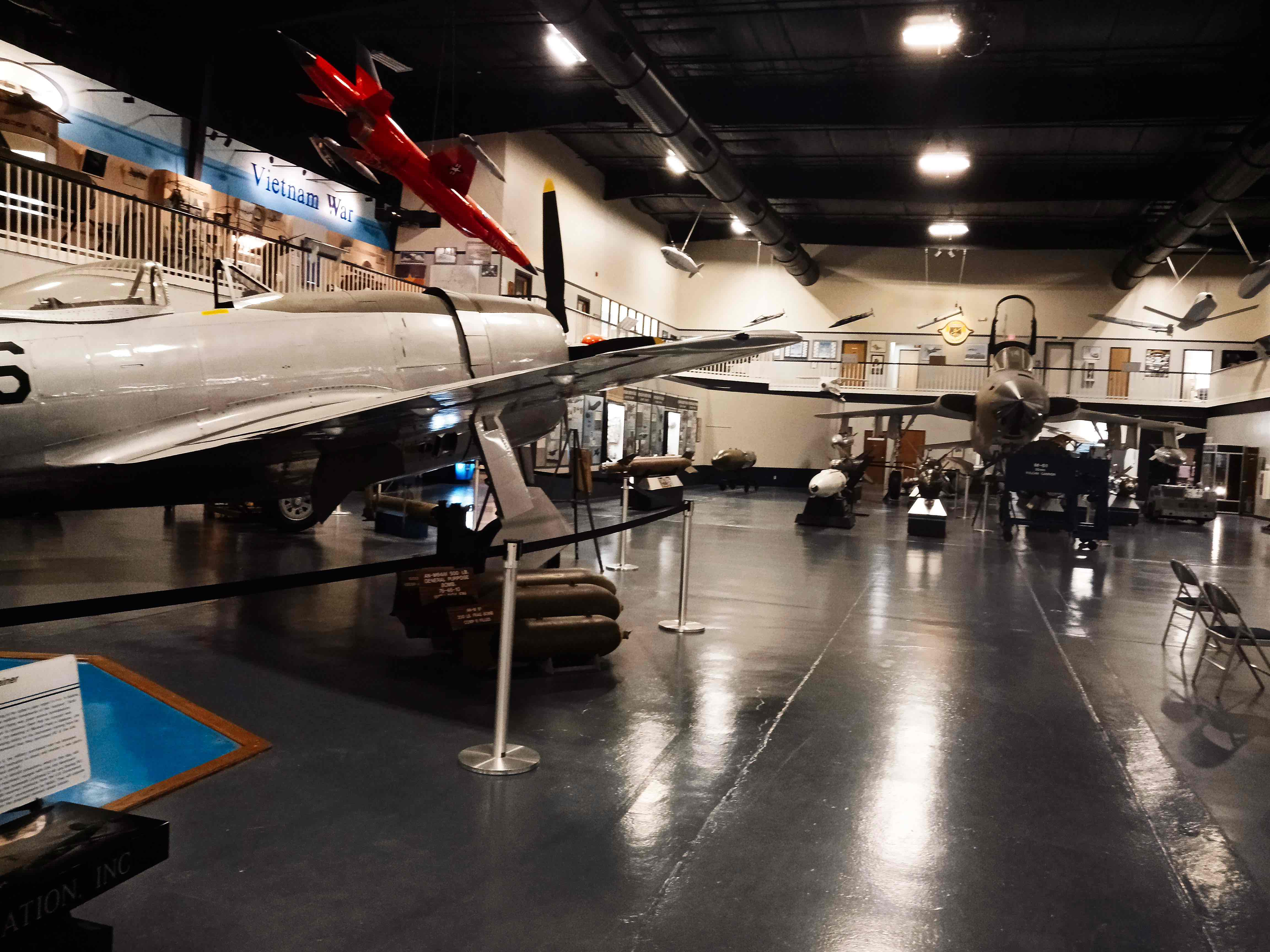
Up on Florida’s Panhandle is Eglin Air Force Base located not far from Fort Walton Beach. The base is home to the Air Force’s 96th Test Wing and a very interesting museum. The Air Force Armament Museum at Eglin is the only museum in the world dedicated to the collection, preservation and exhibition of artifacts and memorabilia associated with Air Force Armament and their delivery aircraft and systems.

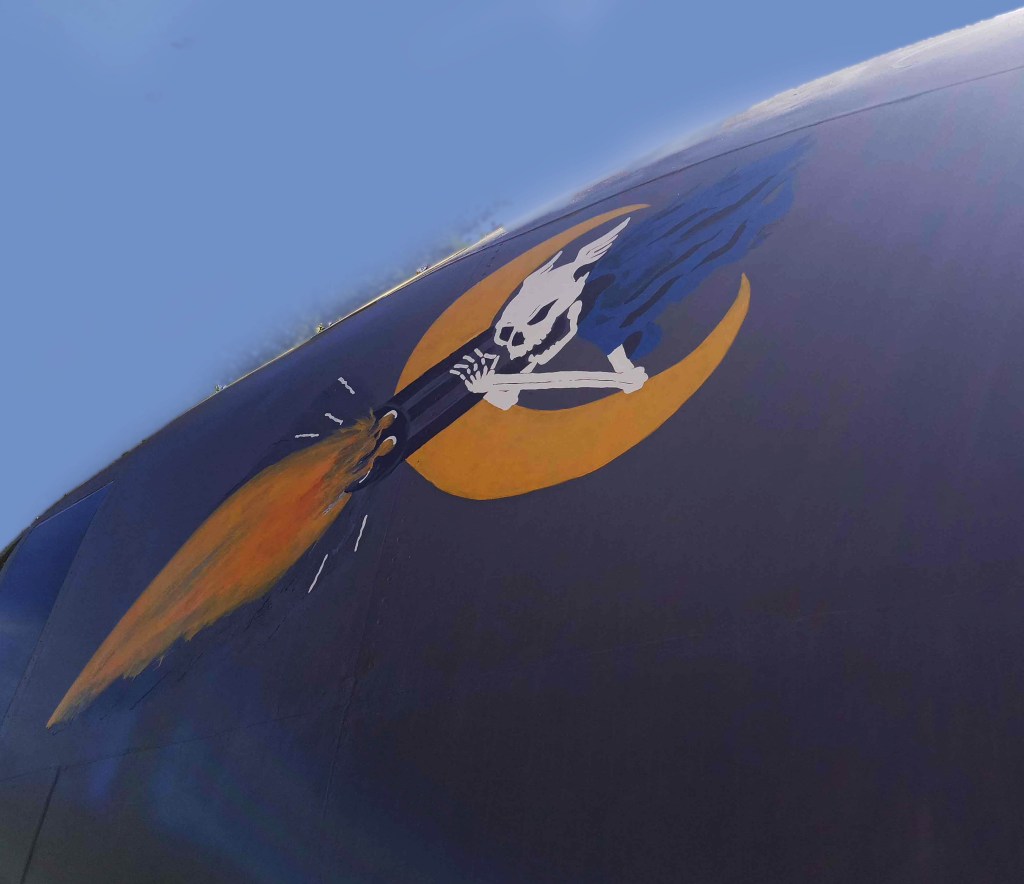
Puff The Magic Dragon

Open to the public the museum exhibits over 29 different aircraft on its grounds and inside, including an AC-130, B-17, B-25, B-52, P-51, A-10, F-15, F-16, F-100, F-101, and additional aircraft from the WWII era through to today. There are hundreds of pieces of armament on display with some included in a large gun collection, along with bombs and missiles that include the Sparrow, Sidewinder, a Bunker Buster and the MOAB (nicknamed the “mother of all bombs”.

The museum is open every day from 9:30 AM to 5:00 PM including most holidays

Hiking The Longleaf Trace In Mississippi

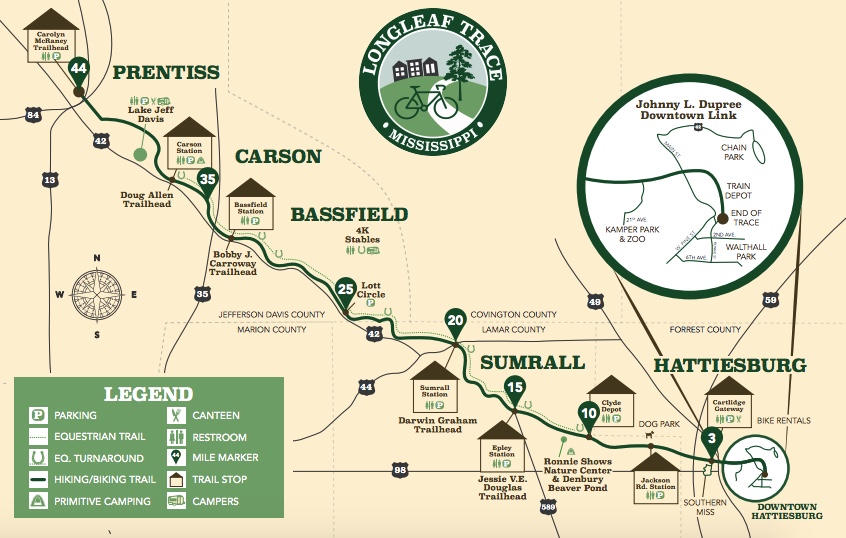
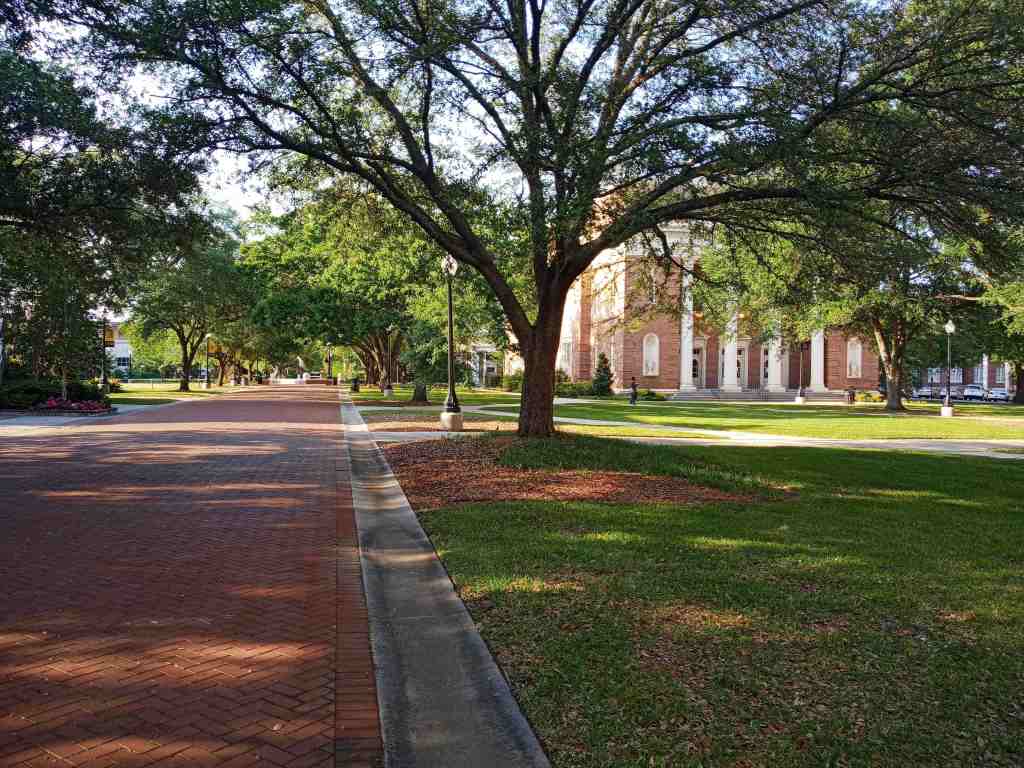
Beginning in Hattiesburg Mississippi it is one of the countries longest hiking and biking trails. Originating in downtown Hattiesburg it runs past the beautiful campus of the University of Southern Mississippi and on for almost 45 well maintained miles.

Southern Miss Campus Hattiesburg

The Longleaf Trace was completed as a Rails-to-Trails conservancy project in 2000, making use of a portion of an abandoned line of the Mississippi Central Railroad. Once a bustling line through the Pine Belt region of Mississippi, it serviced the flourishing timber industry at the turn of the last century through the 1920’s. By the 1970’s a number of railroads once in service were no longer necessary, and the Illinois Central line of the Mississippi Central Railroad was abandoned.

Famous Campus Rose Garden

A group of Mississippi locals took up the project for the preservation of the old railroad right of way to make certain that the remarkable asset was preserved. Work began to pave the path for a new purpose as a pedestrian, equestrian, and bicycle trail for residents and visitors to enjoy. In the early 1990’s work began to remove the tracks between Prentiss and Hattiesburg, paving the way for today’s trail. Beginning at the gateway in Hattiesburg near The University of Southern Mississippi, the Longleaf Trace traverses through five communities for over 44 miles of nature-filled fun and challenge!

A Cruise Find In A Back-To-Back

This Weeks Cruise Deals And Featured Itineraries

Cruising the British Isles with a North Atlantic Crossing!

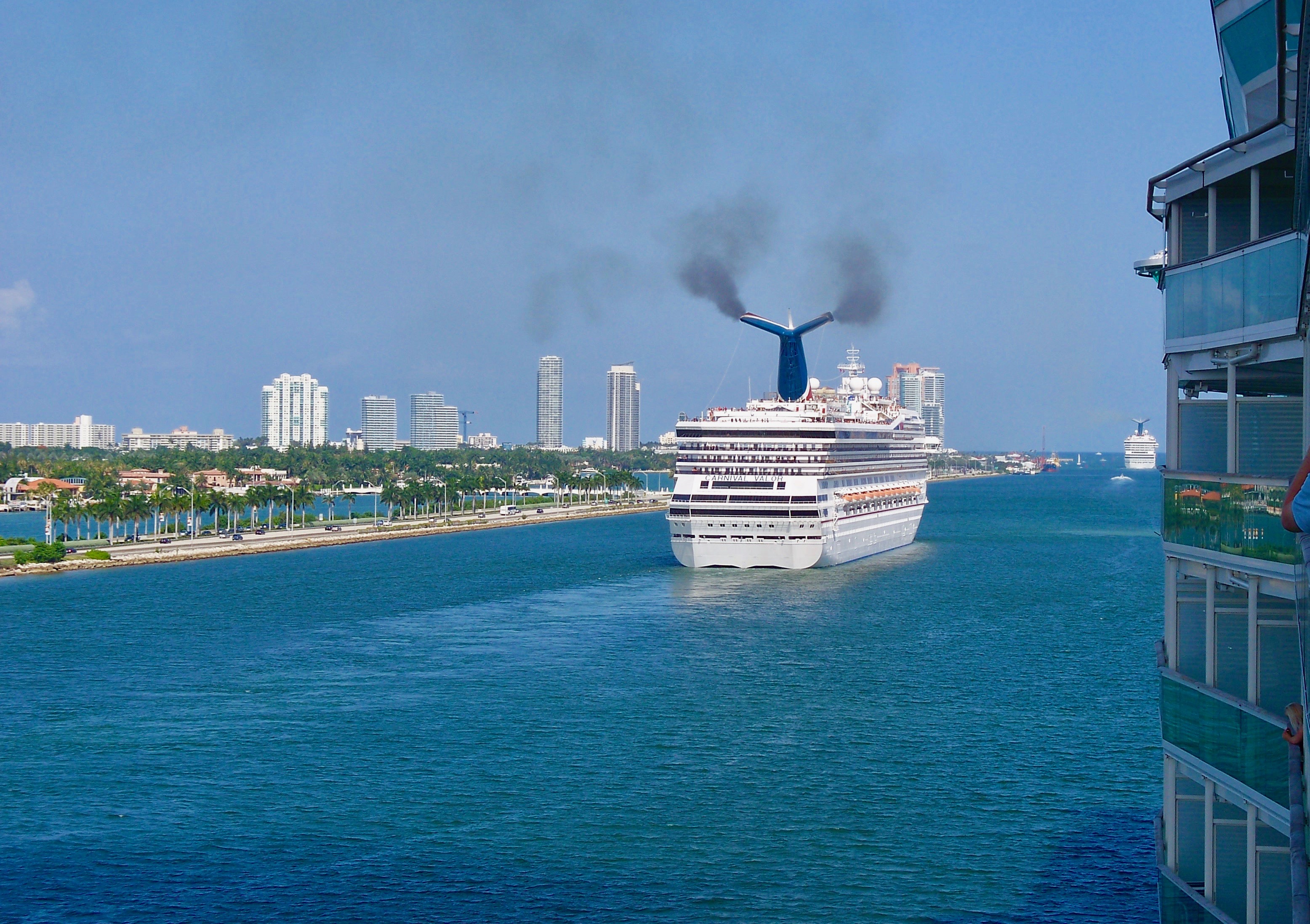
Back To Back Cruises With A Great Itinerary

We’re very fond of back-to-back cruises for a couple of reasons. First, if you’re going to spend the time to travel half way round the world why not make the most of it? A ten or twelve day cruise after all that traveling is just too short. Second, if you consider the cost of air and transfers and maybe a night or two in hotels for a single cruise, the per day cost for the total trip is pretty high. But, if you book a back-to-back that cuts the travel portion costs in half.
Here we’ve found a back-to-back that’s combined with a trans-Atlantic and that combination again cuts the air portion costs in half.

One of our favorite cruise lines, a great itineraries and a nice ship. These are getting noticed and if you’re interested you should book soon as the prices have already made one recent jump.

There are a lot of cruise booking sites but some are easier to navigate than others and we’re particularly fond of Cruise Specialists.

Please Note • Todays cruise industry is incredibly dynamic with new itineraries and special deals changing daily. With endless possibilities and ever changing offers it is nearly impossible to stay up-to-date. This series will regularly highlight new offerings we think you might find interesting. Most links here will take you to individual cruise line websites where you can search for specific cruise offers. We do not receive any discounts or commission from travel or cruise companies.


Explore Exotic And Amazing Ports of Call

From lost civilizations to some of the greatest natural wonders, cruises can help you explore the world in luxury. Explore your cruise options using these convenient links:

Visiting The City Of Belgrade

The Belgrade Fortress

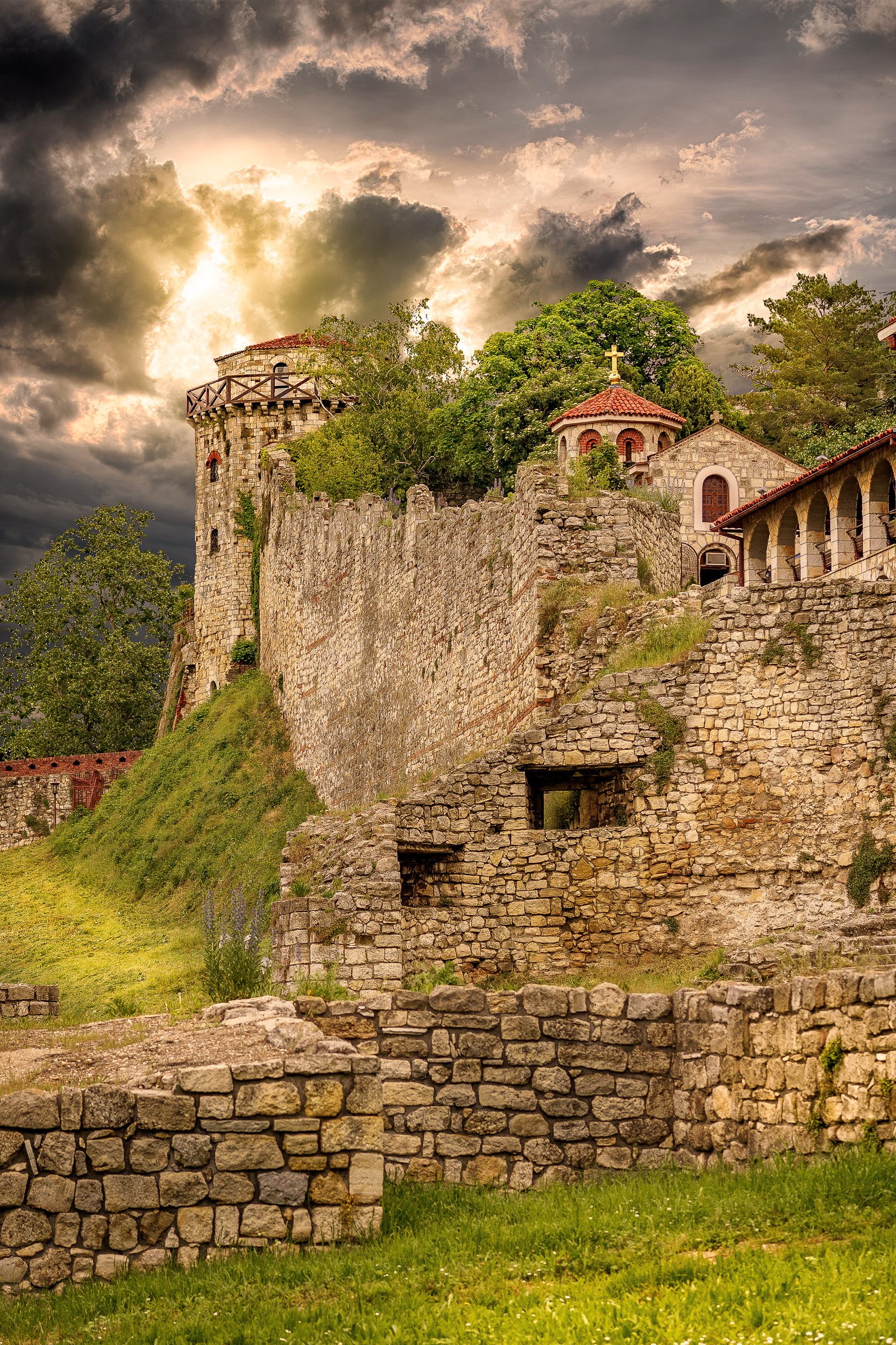
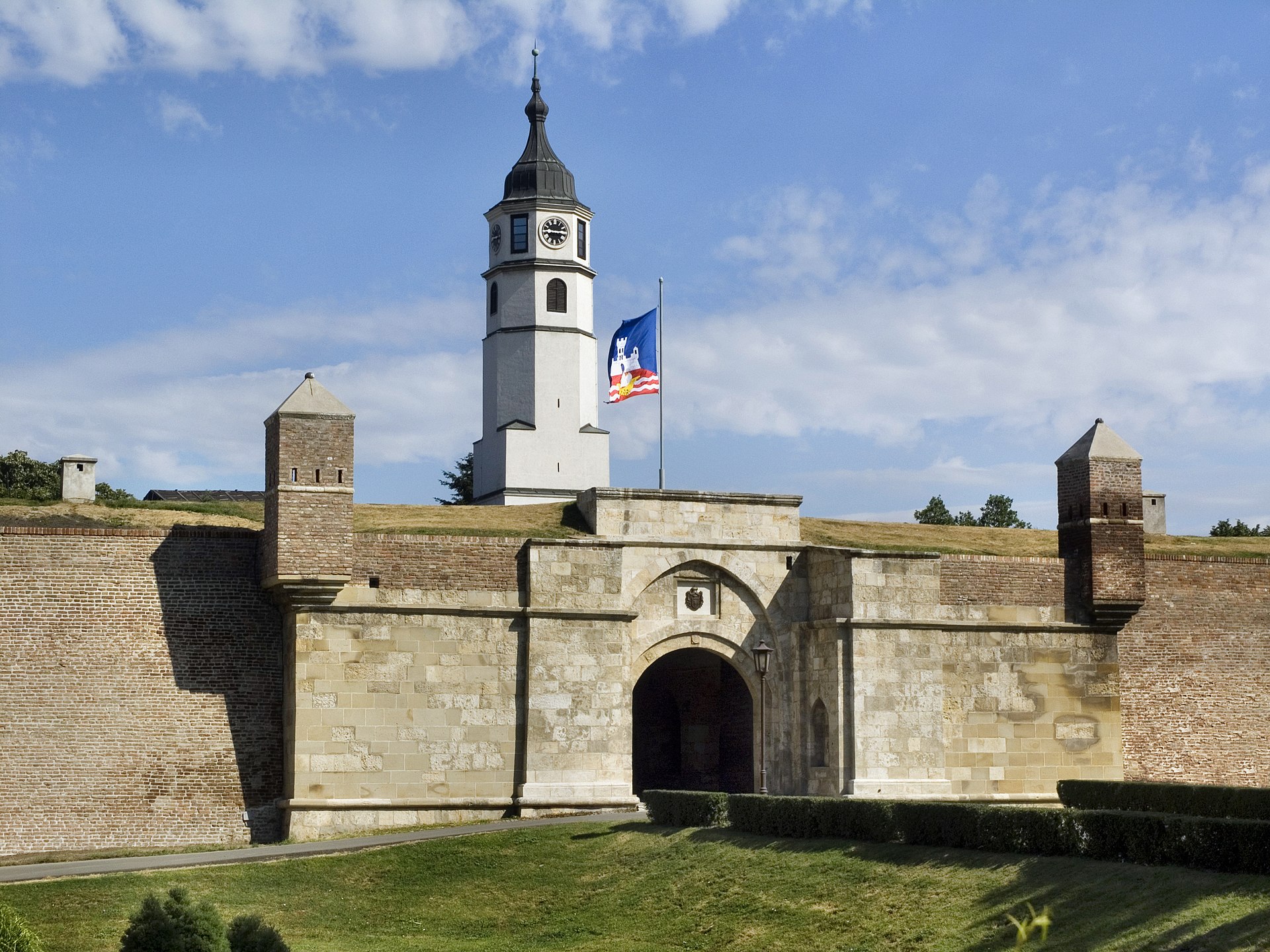
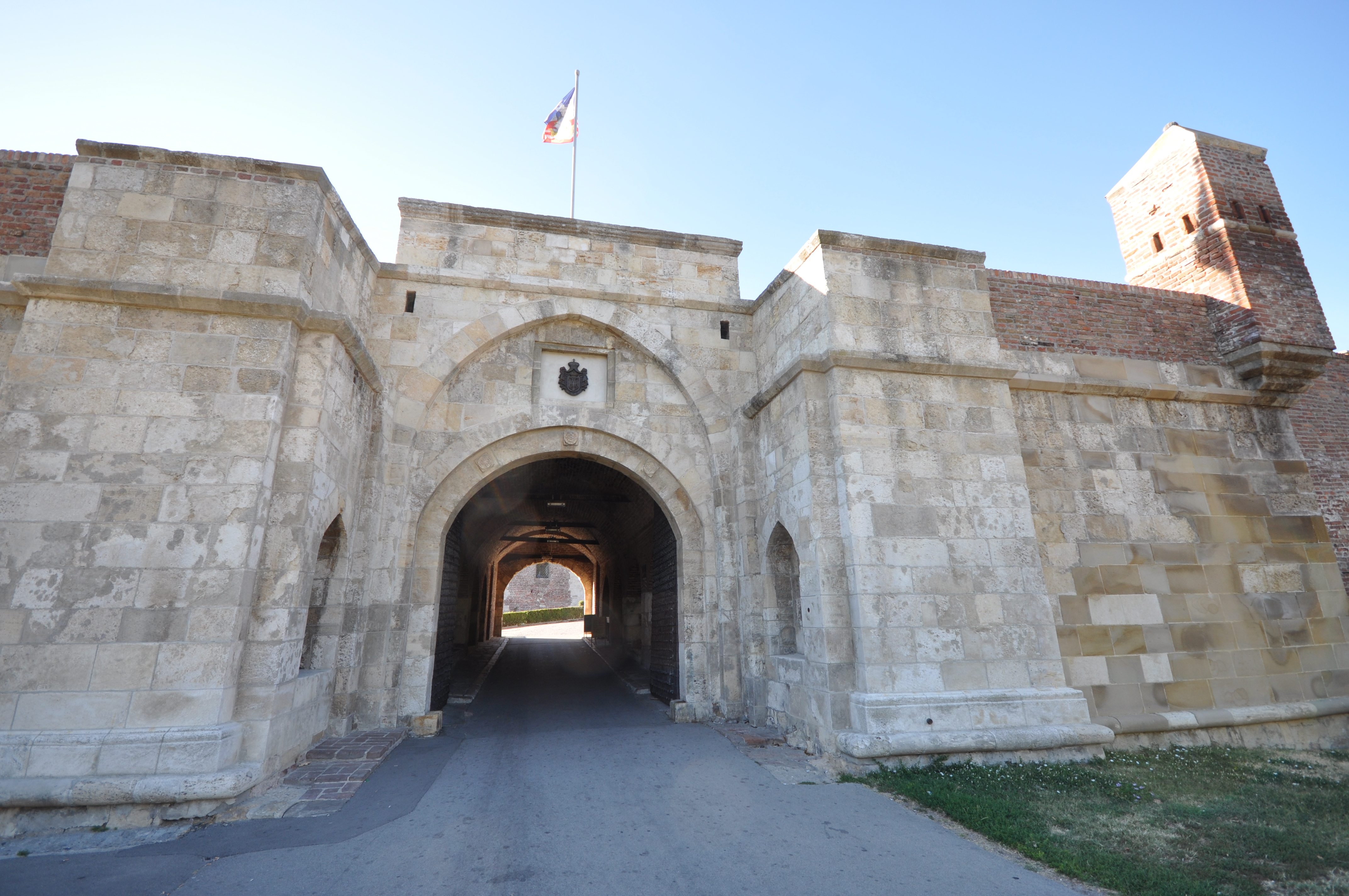
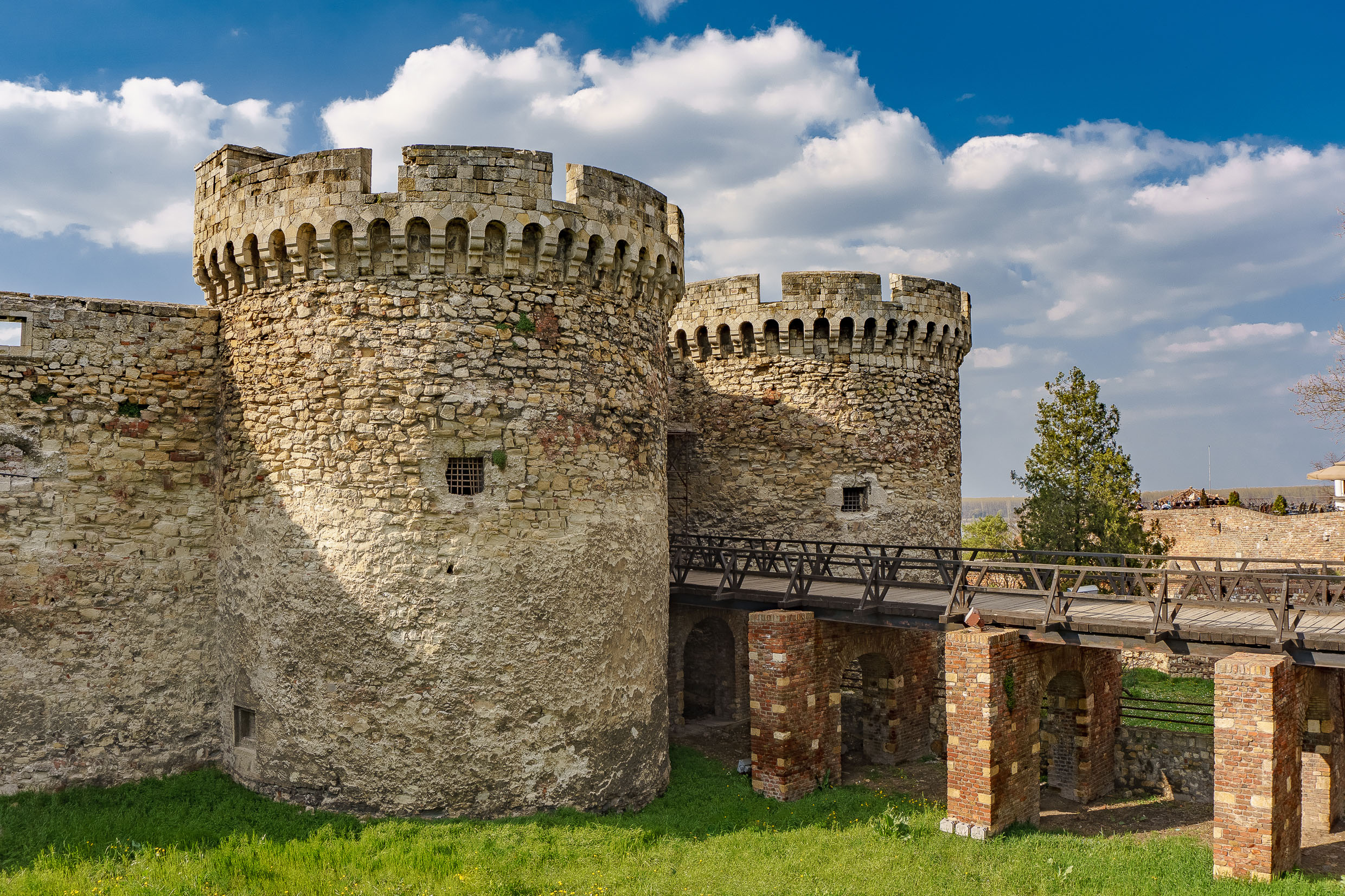
Any Visit to Belgrade, Serbia should start with the Belgrade Fortress. Today it is a huge complex that consists of the old citadel (Upper and Lower Town) the Kalemegdan Park (Great and Little Kalemegdan) occupying high ground above the confluence of the Sava and Danube rivers. The fortress constitutes the historical center of Belgrade and once represented the original boarders of old Belgrade. The fortress area was declared a Monument of Culture of Exceptional Importance in 1979, and is protected by the Republic of Serbia. The area is very popular with the locals and admission is free.

The Belgrade Fortress – the massive Belgrade Fortress complex has four primary sections. The four sections, two of which include the fortress itself are Donji and Gornji Grad with two that make up Kalemegdan park today.

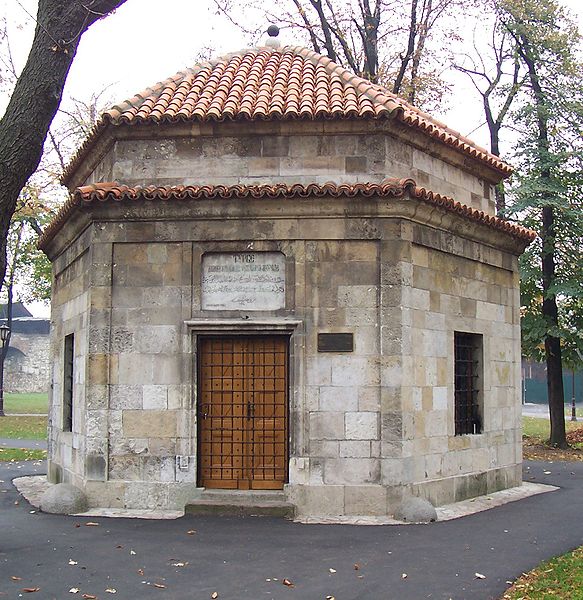
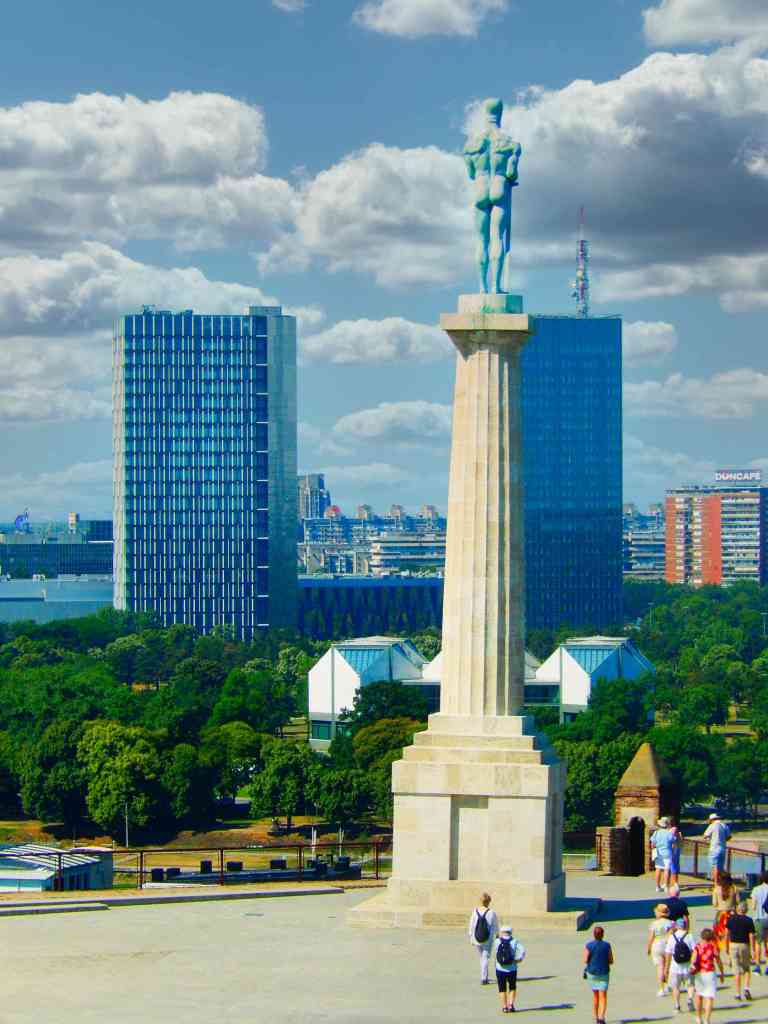
Gornji Grad, the upper section of the fortress was turned into a park, with promenades and the statue of “The Victor”, the “Roman well” actually built by the Austrians, the an Observatory in the Despot Stefan Tower, the Mehmed Paša Sokolović’s Fountain, with tennis and basketball courts.

The Statue of the Victor

Donji Grad occupies the ground above the rivers, from the location of “The Victor” statue*. Between the lower section and the river is the”Impregnable, Fearless, or Daredevil Tower”, which is a museum about the Greek revolutionary Rigas Feraios, who was strangled by the Turks. The Orthodox churches of Ružica and Sveta Petka are also located in this area, as is the Belgrade Planetarium.

Kalemegdan Park and the Military Museum Area – Veliki Kalemegdanski park occupies the southern corner of the fortress, with major promenades that include the Military Museum, the Museum of Forestry and Hunting, and the Monument of Gratitude to France.

*The Statue of the Victor is one of the most famous landmarks in Belgrade, located in the Belgrade fortress at the place where the medieval castle once stood. It was erected in 1928 to commemorate the Kingdom of Serbia’s war victories over the Ottoman Empire.

The Temple of Saint Sava

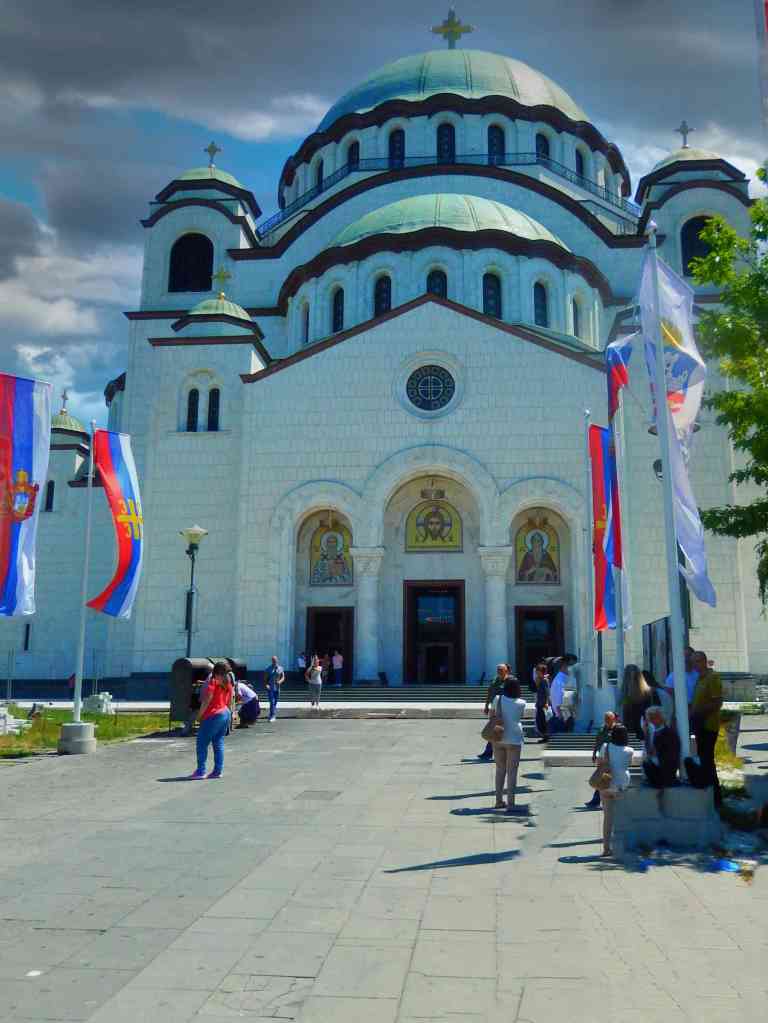
The Cultural heart of Belgrade is the Temple of Saint Sava is a Serbian Orthodox church located on the Vračar plateau in Belgrade, Serbia. It is today the main cathedral of the Serbian Orthodox Church. The church is dedicated to Saint Sava, the founder of the Serbian Orthodox Church and an important figure in medieval Serbia. It is erected on the presumed location of St. Sava’s grave. During the Muslim occupation the Ottoman Grand Vizier Sinan Pasha had the coffin of St. Sava been moved from the Mileševa Monastery to Belgrade where it was placed on a pyre and burnt in 1595 to crush the faith of Serbian Christians. The Serbs recovered the ashes and dirt from under the pyre and saved them so when the new church was built the remains of St. Sava could be reenturned.

The first stone for the church was laid in 1935. During WWII the incomplete building was used as a depot by the German army and Tito’s communist partisans. After the war, the Orthodox Church was denied permission to complete the building by the Communist government. On May 12, 1985, a liturgy was held at the temple with 100,000 people in attendance and the communist authorities backed down from the ban on the construction of the church. In June 1989 after the fall of the government, the temple’s concrete dome weighing 4,000 tons and constructed entirely on the ground, was raised to its present position. The temple is now nearing its final completion.

Belgrade is now very proud of the new Ada Bridge. It is a cable-stayed suspension bridge over the Danube at the tip of Ada Ciganlija island. The Ada Bridge was opened in 2012 and features a unique offset suspension tower anchored on the island’s tip.

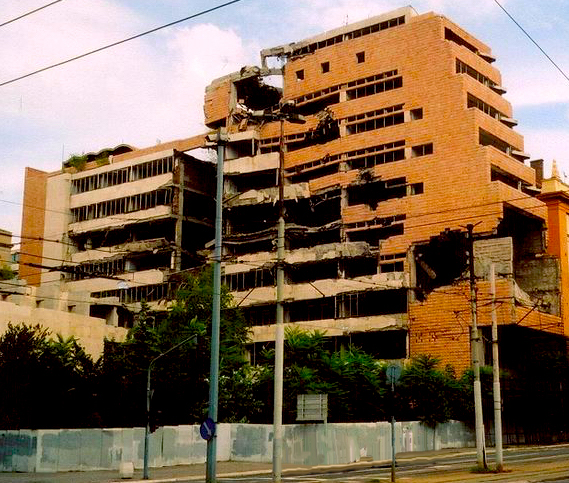
There are few traces of the 1990s Balkan war to be seen in Belgrade with the exception of the ruin of the Serbian Army Headquarters. It was hit several times with cruise missiles and is now left standing as a reminder of the war.