Cruising Articles FYI

SAVE ON BOOKING A CRUISE

Getting the best deal on booking a cruise is a process very much like getting the best airfare. Like all businesses, cruise lines want to get the most for every cabin and, like the airlines at the moment of departure, anything unsold has no future value. Economists call these items non-fungible, meaning they cannot be sold or exchanged in the future. Over the course of twenty years we’ve discovered a few tricks in the cruise booking game.
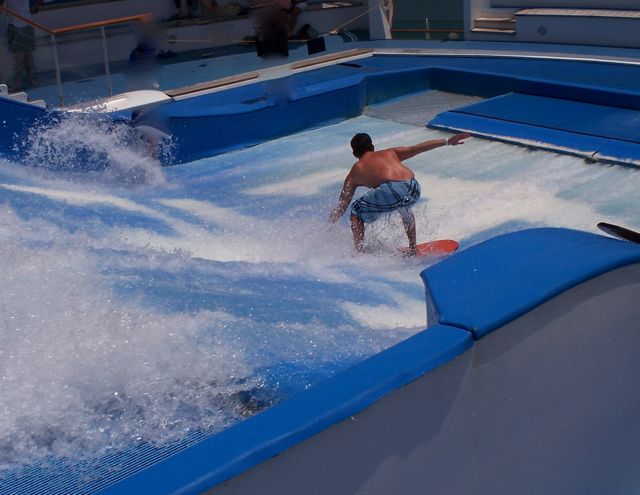
Discover Repositioning Cruises

In the early days most ocean liners were luxury transportation getting people from one part of the world to another. Trans-Atlantic cruises were the most common but there were routes covering the entire globe. Now cruise ships are a whole lot more than just transportation and they have seasons where they run itineraries around the world’s popular regions.

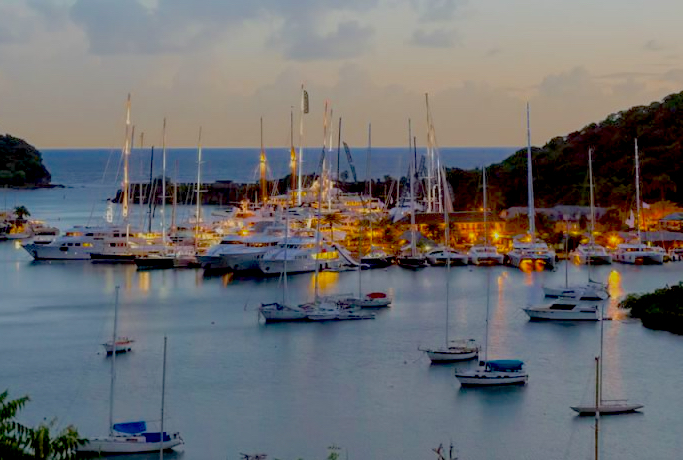
Taking Advantage Of Cruise Loyalty Programs

Just like airlines and hotels, cruise companies want you to be a frequent customer and they have developed a number of plans to entice you to keep coming back. With names like The Captain’s Club, Mariner Society and Latitudes they generally structure their programs so the more you come back the more status you attain on cruises and rewards you get. Unlike hotel points and airline miles you don’t cash in your rewards, and the more you cruise with a cruise line or company the more benefits you get.
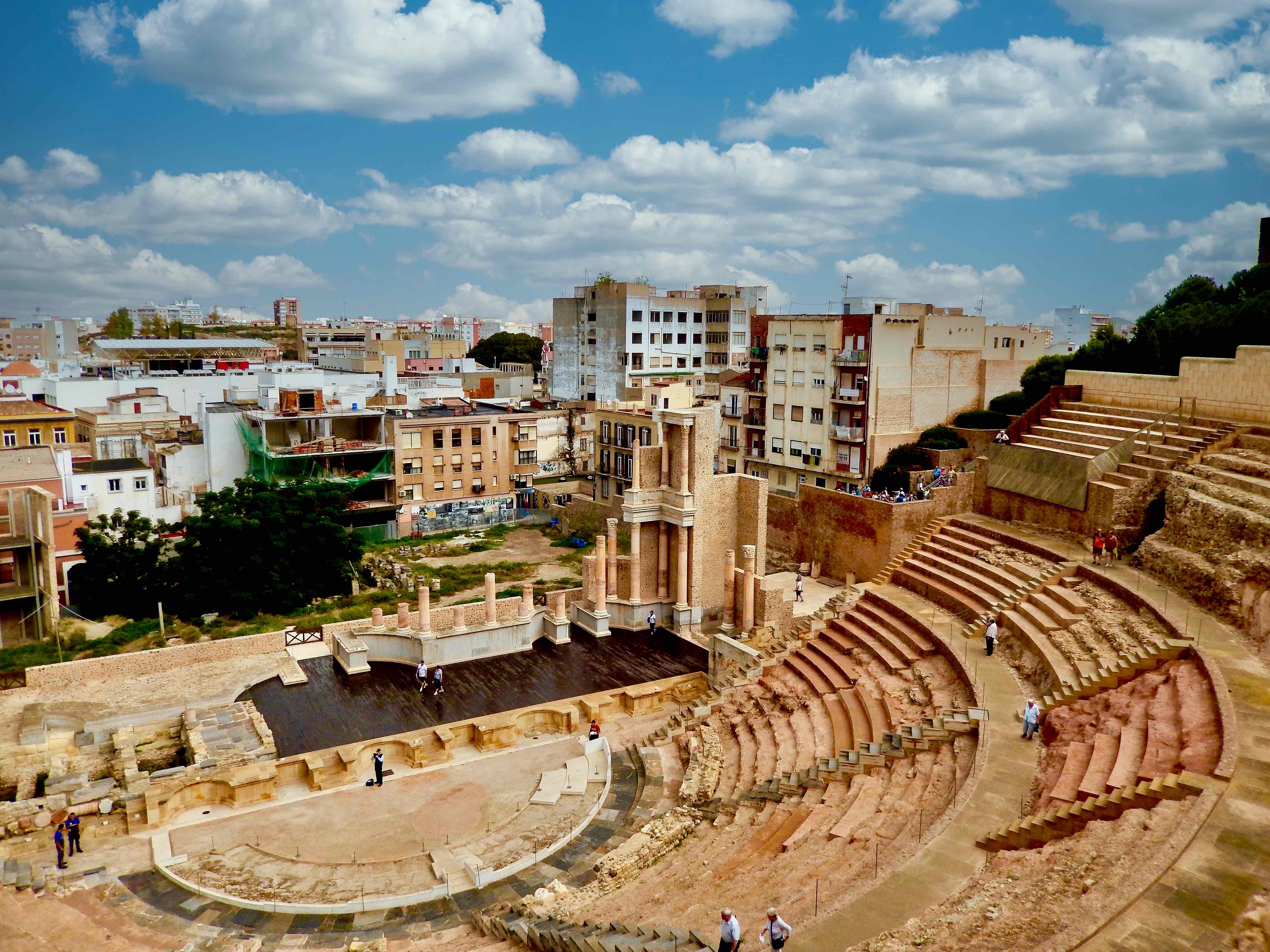
Weighing Ship Shore Excursions Against Going It Alone

A lot of people prefer the convenience of a ship sponsored tour, and there’s a lot to be said about what you get using professional guides and dedicated transportation. If you’re not a “guided tour” enthusiast we completely understand. First and foremost you can save a fair amount of money by touring on your own and you get to pick what you’re interested in seeing and for how long.
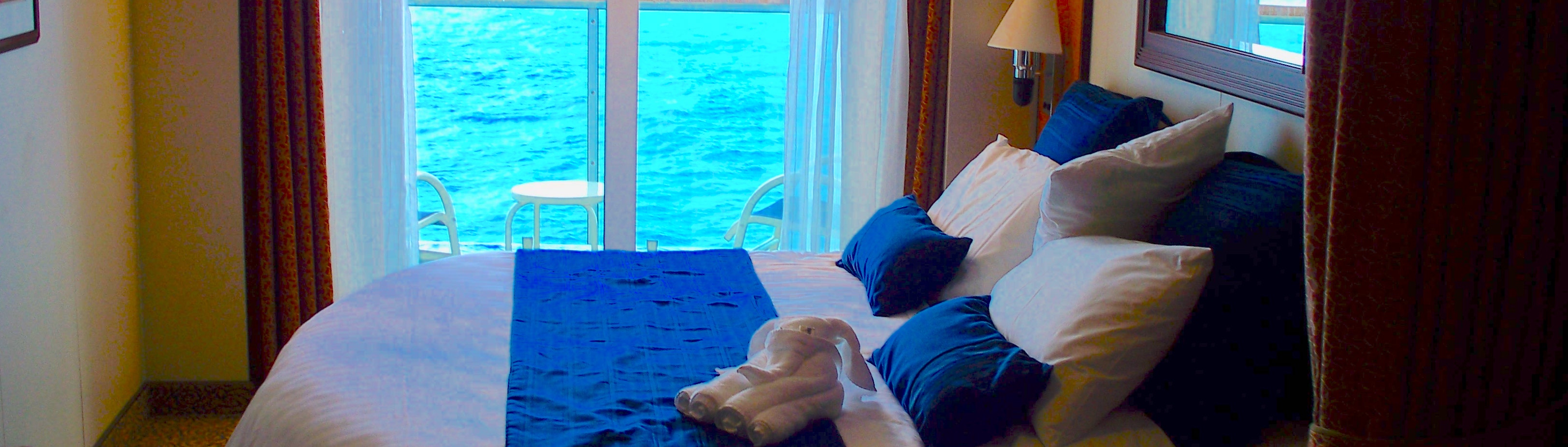
Some Advice On Selecting A Cabin

While it may seem obvious in deciding which room or category to book there are some points you may want to consider. For most people the decision comes down to what can you afford and should you consider an ocean view or a balcony stateroom. If the money is not an issue why not just book a suite? Consider first what you are expecting on your cruise. Is it a long cruise where some extra room might really matter or is it a three or five day cruise where you expect to spend little time in the cabin? Why book an expensive stateroom if you don’t see yourself using it much? We’ve also even discovered an advantage staying in an inside cabin.
Avoiding Getting Seasick

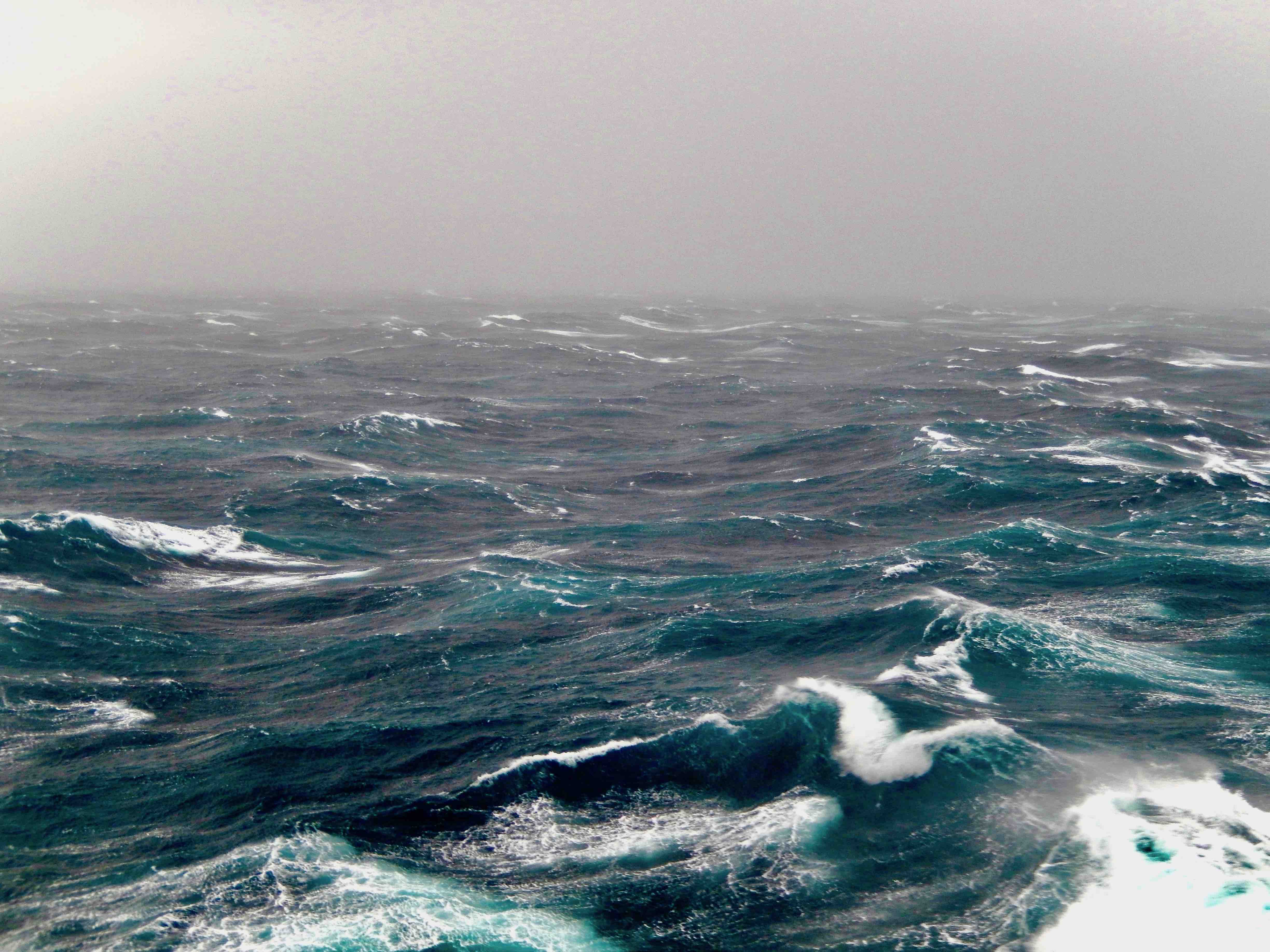
Maybe you would love to try cruising but have a big concern about getting seasick? If you are worried about taking a cruise because you are prone to seasickness, or motion sickness, you are not alone but you need not worry too much. There are thousands of people that have faced that fear and have gone on to become enthusiastic and frequent cruisers.
Thanks for visiting our travel site and we hope you’ll come back often.
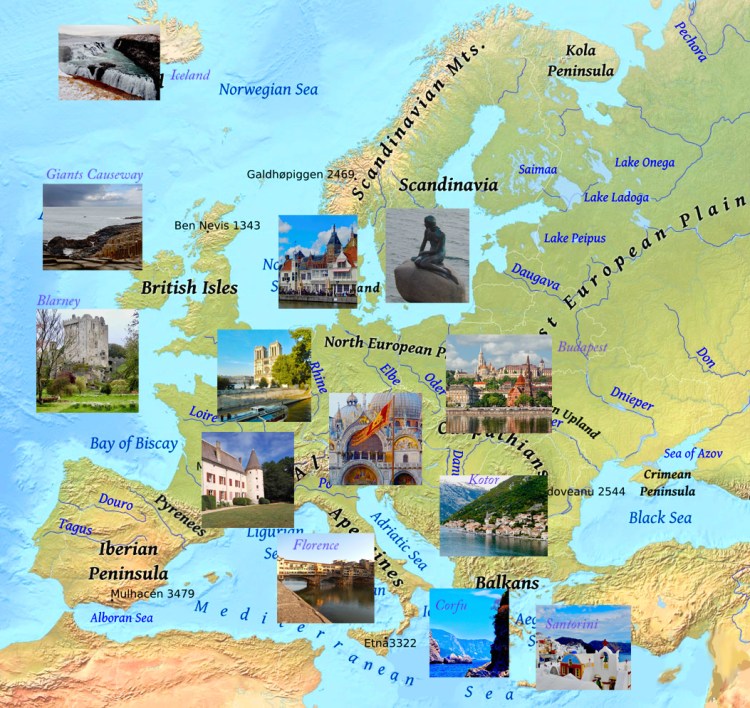
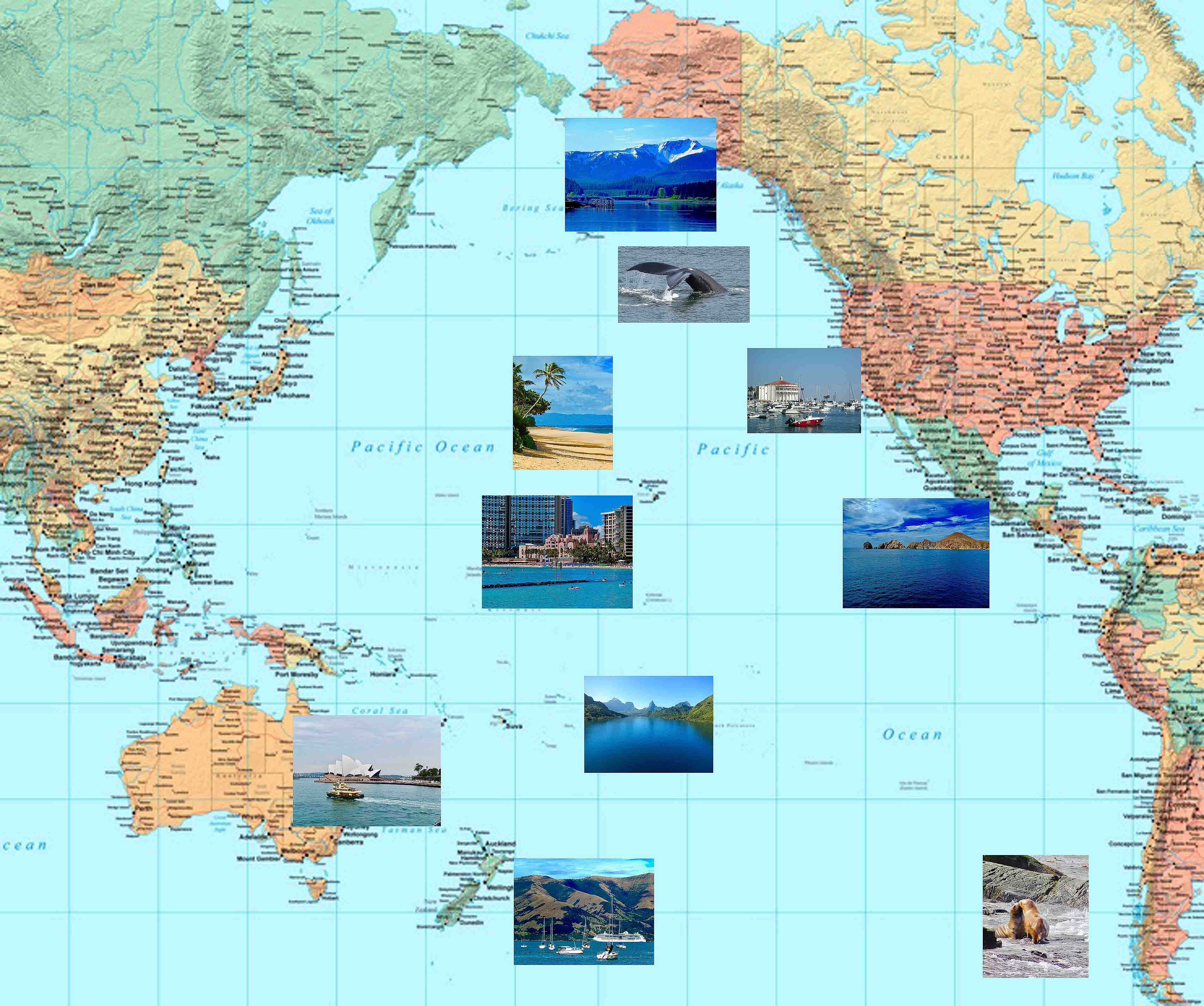
Today No Place Is Out Of Reach

From the tropical beaches of the Caribbean, to the frozen waters of the South Pole, and the palaces of Southeast Asia, adventure is just waiting for us. Every journey begins with a single step.
The Lennon Wall Prague

The John Lennon Wall Prague (With 3 Ns Not 2)

John Lennon was and is a hero in Prague – even though John himself never visited Prague in his life.

In Mala Strana, near the French Embassy, you’ll still find the John Lennon Wall. The wall that is nothing special has been named Lennon´s since the 1980s when the young people of Prague filled it with John Lennon related graffiti and lyrics from Beatles songs.

The Communist Era

Lennon became a hero to the youth of Communist Europe prior to 1989 when western pop songs were banned by Communist governments, and especially John Lennon´s songs. Some young people and musicians were jailed for playing it!

When John Lennon was killed in 1980 he became a sort of folk hero to the young of Prague and his picture was painted on this one wall with graffiti defying the authorities. By doing this young people risked prison as many were charged with “subversive activities against the state”.

But the young people kept showing up at night to paint images of John and Beatles lyrics along with their own dreams about freedom and peace on the wall.

The Communist police constantly whitewash over the portrait and messages never managed to keep the wall clean. The day after it was whitewashed it again was full of poems, images of flowers and new paintings of Lennon. Even the installation of surveillance cameras and the posting of an overnight guard never stopped the youth of Prague.

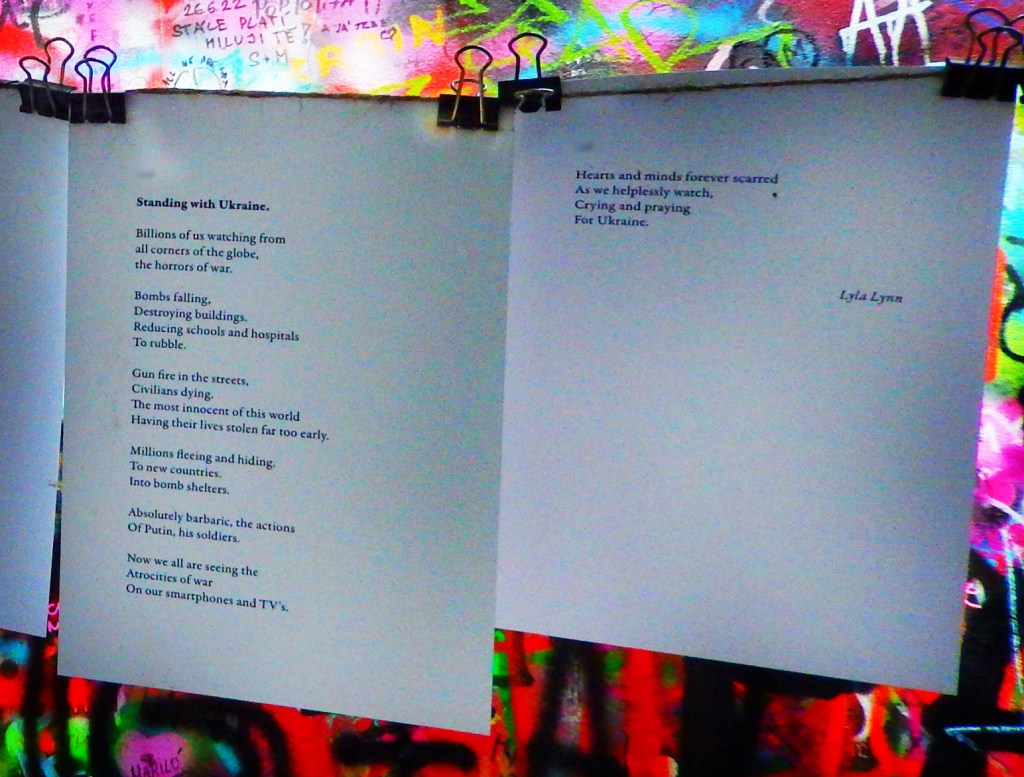
The wall is constantly added to even today along with new string lines holding pages of poems expressing support for the people of the Ukraine.

Georgia’s Tallulah Gorge

Go Take A Hike

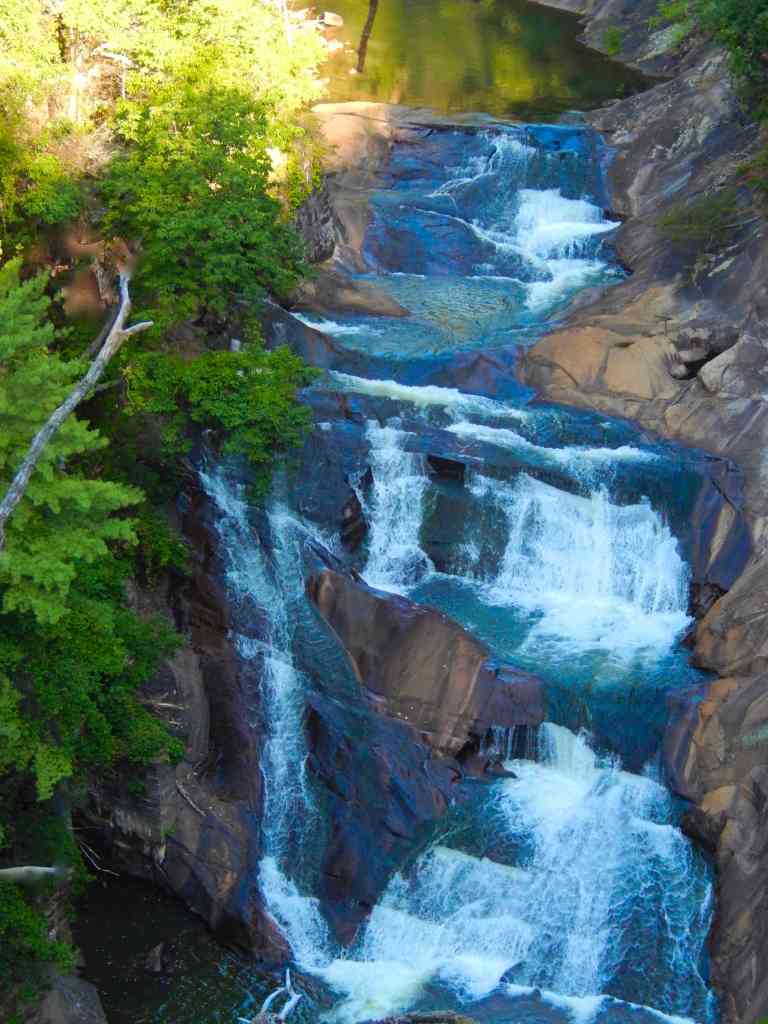
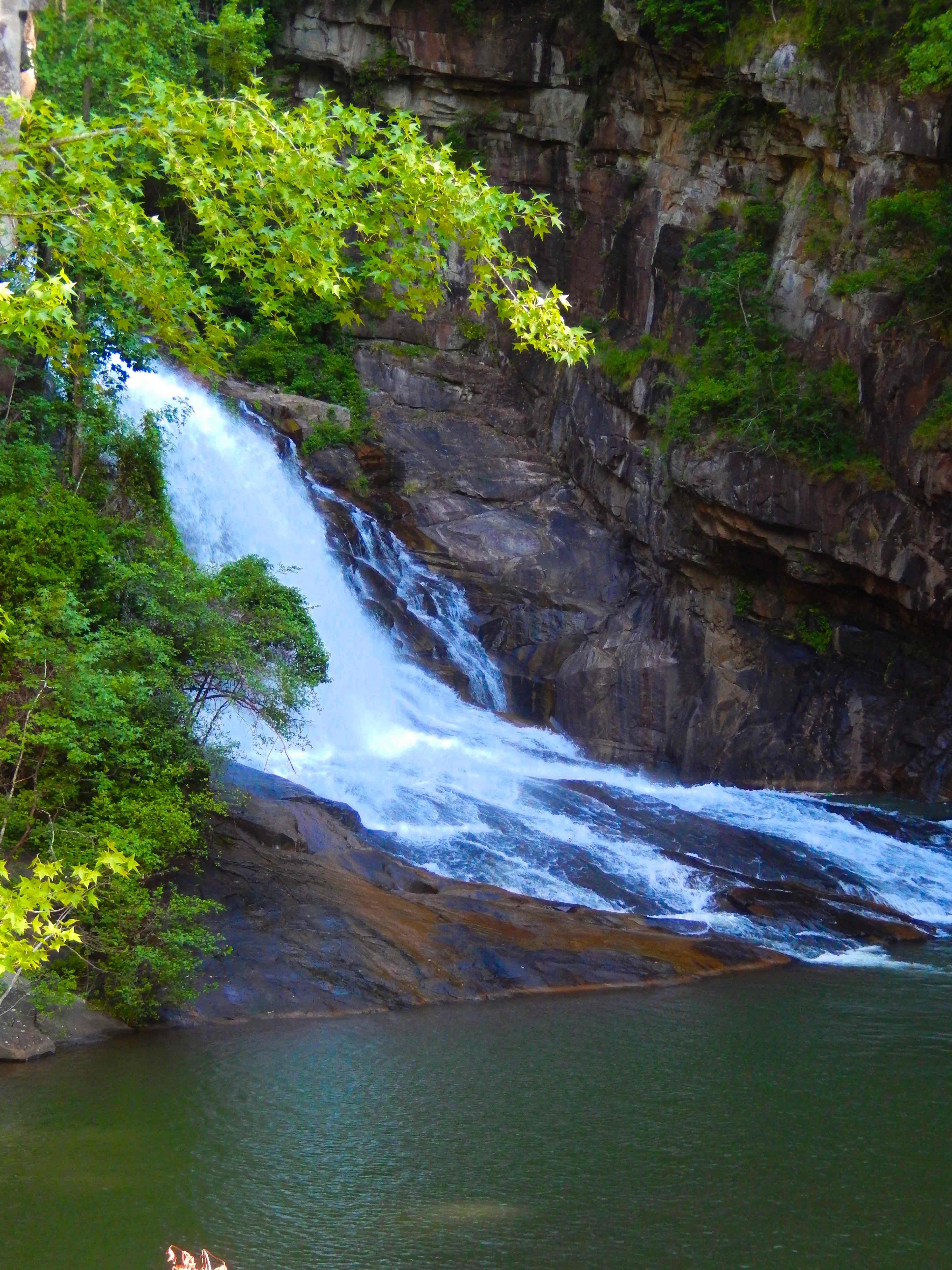
Georgia’s amazing Tallulah Gorge, is a 1,000-foot deep canyon carved out of the North Georgia landscape. The town of Tallulah Falls was once a popular resort area that rivaled Niagra Falls. Located two hours northeast of Atlanta people from all over came to view the natural beauty of Tallulah Falls. The falls is a series of six waterfalls cascading down through Tallulah Gorge.

Operated by Georgia Park Service visitors can hike the two mile long gorge area along rim trails, several overlooks, the sliding rock trail, and Hurricane Falls staircase to the suspension bridge. They can obtain a permit to hike to the gorge floor (100 per day issued and not available during water releases). A suspension bridge sways 80 feet above the rocky bottom, providing spectacular views of the river and waterfalls. A paved path follows an on old railroad bed, that’s perfect for strolling and biking. Mountain bikers are also allowed to use a challenging 10 mile trail within the park. The park’s Jane Hurt Yarn Interpretive Center provides exhibits telling the history of the nearby Victorian resort town, as well as the rugged gorge and its ecosystem. A film takes viewers through the gorge, with scenes of rock climbers and kayakers. A gift shop provides water, snacks, walking sticks, t-shirts and more.

History In Tallulah Gorge

Today the Georgia Power Company, that operates the hydroelectric dam on the Tallulah River, times water releases to provide enough water for kayakers to paddle the Gorge, along with aesthetic releases to enhance the beautiful waterfalls keeping them comparable to what they were like before the River was dammed in 1912.

Tightrope walkers have twice crossed the gorge, and visitors can still see towers used by Karl Wallenda.

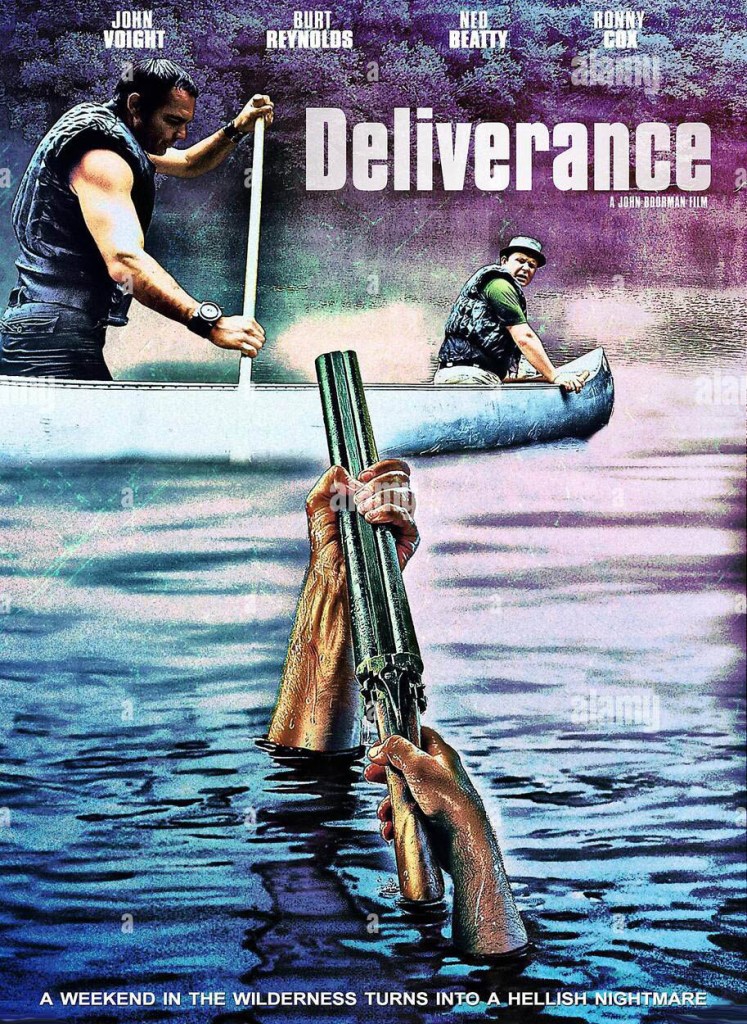
Two famous movies, Deliverance andThe Great Locomotive Chase were filmed in and around the gorge. Many of the action scenes from Deliverance, based on James Dickey’s novel, were filmed at Tallulah Gorge, and downstream from Tallulah Falls. Also Disney’s The Great Locomotive Chase was filmed in 1955 on north Georgia’s 57-mile-long Tallulah Falls Railroad which wound its way through the north Georgia mountains. It told the story of the Andrews Raid of April 1862, when a band of Union spies and soldiers commandeered a Western & Atlantic train in Big Shanty, Georgia. It was filmed

CLICK TO DOWNLOAD GEORGIA STATE PARKS MAP IN PDF

Remembering D-Day & Visiting The Normandy Beaches


The Beaches of Normandy, France

D-Day Execution June 6th 1944
WWII Memorial erected in the Surf at Omaha Beach
German Gun Defenses at Pointe du Hoc

The Normandy landings were the landing operations and associated airborne operations of 6 June 1944. The Allied invasion of Normandy in Operation Overlord often referred to as D-Day was the largest seaborne invasion in world history. The operation began the liberation of France along with western Europe.

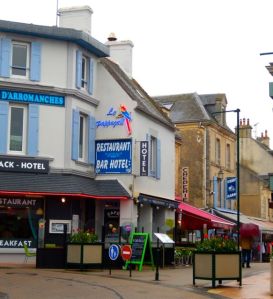
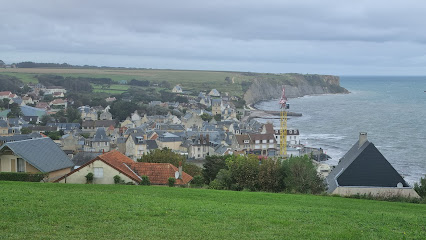
The Seaside Town of Arromanches

Should your travel plans bring you to the western coast of France or if you’re visiting Paris you should consider adding a trip to the beaches of Normandy to your itinerary. There are a number of tours available from Paris to Normandy and many can be booked through hotels. Another option is to rent a car and spend a couple of days in Normandy on your own. The countryside is beautiful and the French people here are incredible welcoming.

Any visit should include:

There are also a number of other cemeteries in the area honoring those that gave their lives from the British Commonwealth and other countries.

Shell Craters at Pointe du Hoc

France, as a travel destination, doesn’t have the best reputation for the friendliness of its people. That is not the case in Normandy as you’ll discover most people friendly, talkative and still eager to express gratitude for the American and allied sacrifices on D-Day. Be sure and spend some time at Pointe du Hoc where you’re likely to encounter French school tours visiting as there is serious effort to keep that moment in history alive for successive French generations.

Normandy American Cemetery
90 Foot Cliffs at Pointe du Hoc

Even today, visiting the quiet beaches and the cliffs of Pointe du Hoc, the enormity of that day in 1944 still has an emotional impact. It is overwhelming to walk thru the Normandy American Cemetery with the almost 10,000 head stones standing in row after row, like the fallen soldiers they mark. Walking in the cemetery it is hard to process the number of lives lost in only a couple of days. The land beneath the cemetery is actually considered U.S. soil and the cemetery is maintained and operated by Americans.

Along the coast and especially at Pointe du Hoc you can still see the craters gouged out by the Allied naval gun barrages on June 6th along with those immense concrete German defensive bunkers dotting the landscape. At Pointe du Hoc it is difficult to look down those shear ninety-foot cliffs and believe that 225 American Rangers climbed them in bad weather while under attack by German gunfire from above.

Save some time for lunch at the village of Arromanches which sits in the middle of the invasion beaches or taking a drive through the beautiful French Normandy countryside. There are farms and villages dotted with yellow canola fields, bordered by oak trees thick with clusters of mistletoe. All-in-all an unforgettable experience.

Fireworks Bastille Day In Paris

A Short Story

Traveling And An Unexpected Bastille Day

We had been traveling through southern France for a week and intended to finish with a few days in Paris since that was where we would catch our flight home. When we planned this trip we hadn’t realized that July 14th was Bastille Day. When we learned this we weren’t sure how that day would go.

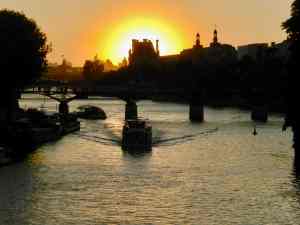
On the 14th we took a TGV high speed train from Lyon to Paris arriving at about 1:00 pm. Our new plan was to take advantage of the celebration. Figuring that the streets and Metro would be jammed and crowds at the Champ de Mars would be impenetrable, we decided to get a day pass on a Hop-On Hop-Off boat (Batoboat HERE). Later that evening we would take a boat from the Notre-Dame area right down to the Eiffel Tower stop, get off and watch the fireworks from the river. After that, since the boats stopped around 9:30, we would walk out of the area and, if lucky, catch a taxi or Metro back to our hotel.

That afternoon, as a tourist, Bastille Day seemed like any other day. We walked the streets, bought some souvenirs and had an early evening meal at a small bistro on the Left Bank. Around 8:30 we headed out for our boat ride to the Eiffel Tower. So far so good – until the boat skipped the three stops nearest the Eiffel Tower, they had been closed for the celebration. It seemed as if everyone in Paris was way ahead of us in their planning. The river was blocked to traffic anywhere near the tower, a number of bridges were blocked and many of the streets and sidewalks were impassable up to a half mile from the Champ de Mars. There was simply no way we could get close to the celebration at that time of night.

In hindsight I should have known better. I’m from Washington D.C. and going to the Mall for the the Independence Day shows on the 4th was an all day affair with the exit getting home being usually a couple of hour trip. Why would I have thought Paris would be any different? Truth is I just hadn’t thought about it.

We hadn’t intended on being in Paris on Bastille Day and our plan was last minute. A little discouraged we made our way back to our hotel and watched the event on television which might have been a good thing. It seemed the Sun didn’t set until way past 9:30 and the fireworks didn’t go off until around 11:00. On television the show was interesting and included two choirs, six or eight couples that seemed to be famous opera singers and the only music I recognized was a song from West Side Story(?). The finale was the national anthem sung by everybody and it seemed to go on for over a half hour. The anthem was followed by a light show on the Tower followed by the fireworks. All in all it seemed a very good evening for Parisians.

Croatia And Serbia And Not Talking About The War

Visiting Serbia And Croatia And Finding Serious History

We left Croatia recently after five days of traveling across Serbia and Croatia. People were often eager to talk history but that usually meant railing against the Ottoman-Turks or Communists. In Belgrade, Serbia one woman recounted remembering the incoming American Tomahawk missiles and how Serbia was treated unfairly by America and Western Europe.

Our last evening in Serbia we attended a lecture by a professor who went into great detail about the old rival factions in the Balkans. All about the Romans settling the region, conflicts between Catholicism, the Orthodox church, and the six major Slavic groups that call the region home. Throw in the Ottoman-Turkish invasion with a few hundred years of occupation and war, followed by World War II and Communism and you end up with a boiling piece of geography. Under Communism, Yugoslavia was created with a strong arm dictator named Tito and subdivided along ethnic lines into six republics under one government.

After Tito’s death Yugoslavia quickly dissolved and even though they spoke a common language, Servo-Croatian, they had different histories, wildly different religious beliefs, and very distinct identities. By 1991, Slovenia and Croatia each declared independence from Yugoslavia. Soon a bloody war broke out in Croatia where Serbs tried to create their own new state. A year later, Macedonia formed its own state with little conflict. Next to go was the republic of Bosnia and Herzegovina. But Bosnian Serbs wanted to stay with what was left of the Yugoslav Federation and that led to three years of more war.

Oddly, nobody we talked to seemed to have anything to say about the Muslim populations that remained behind after the Ottomans pulled out or a number of campaigns that devolved into ethnic cleansing.

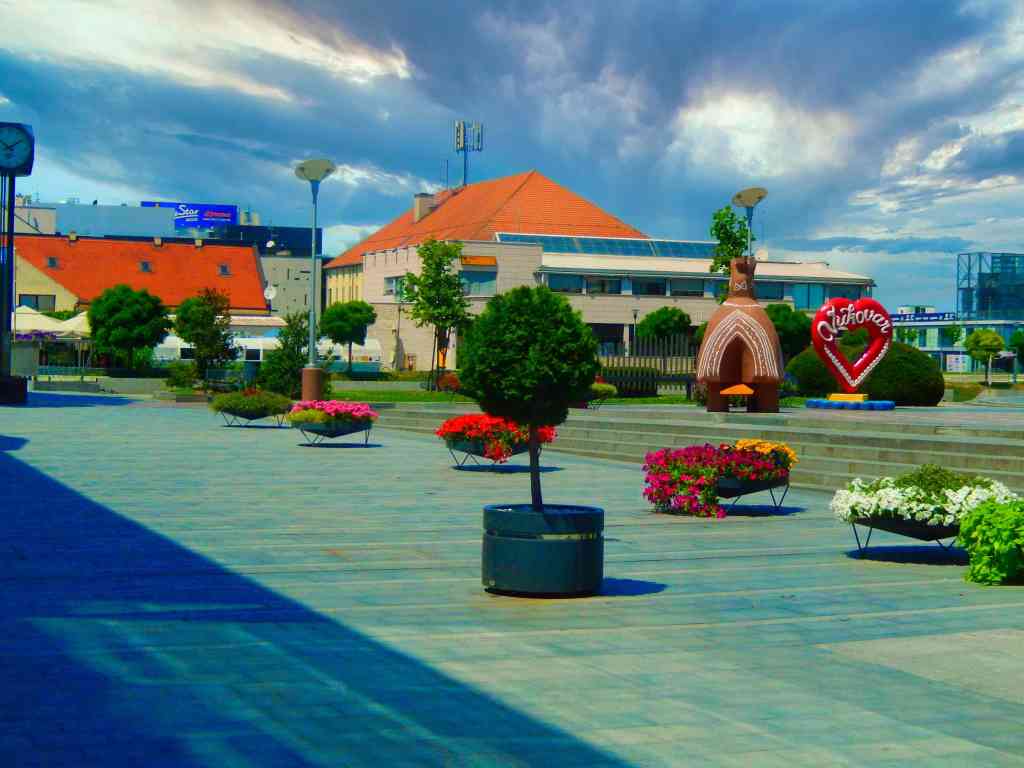
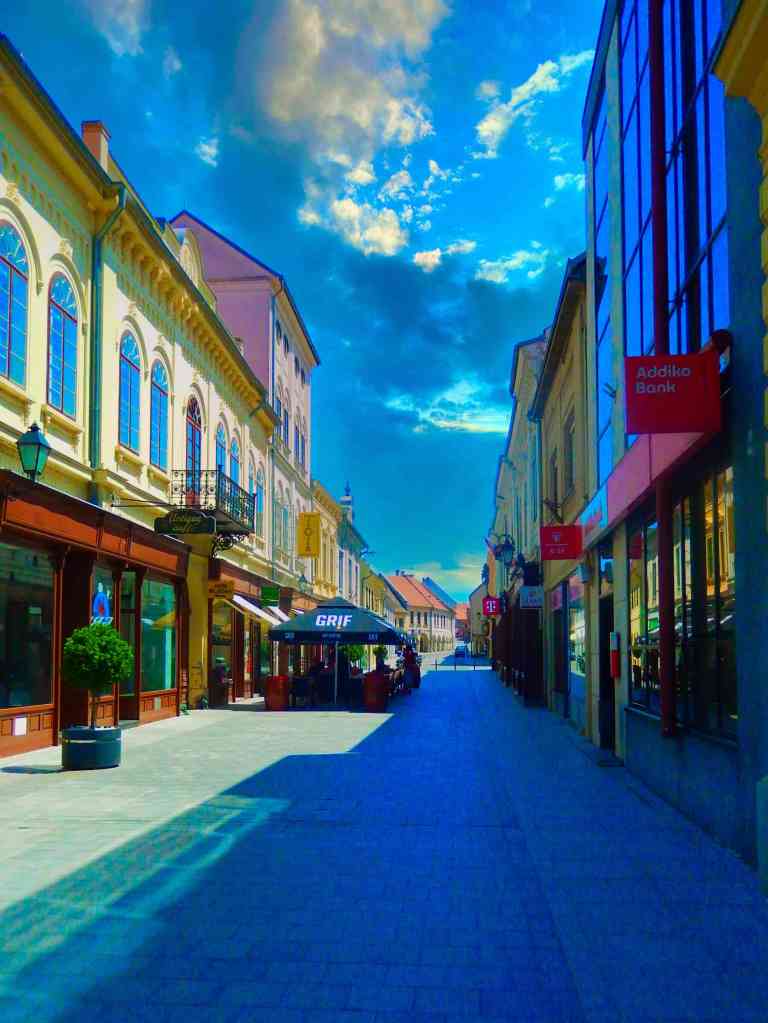
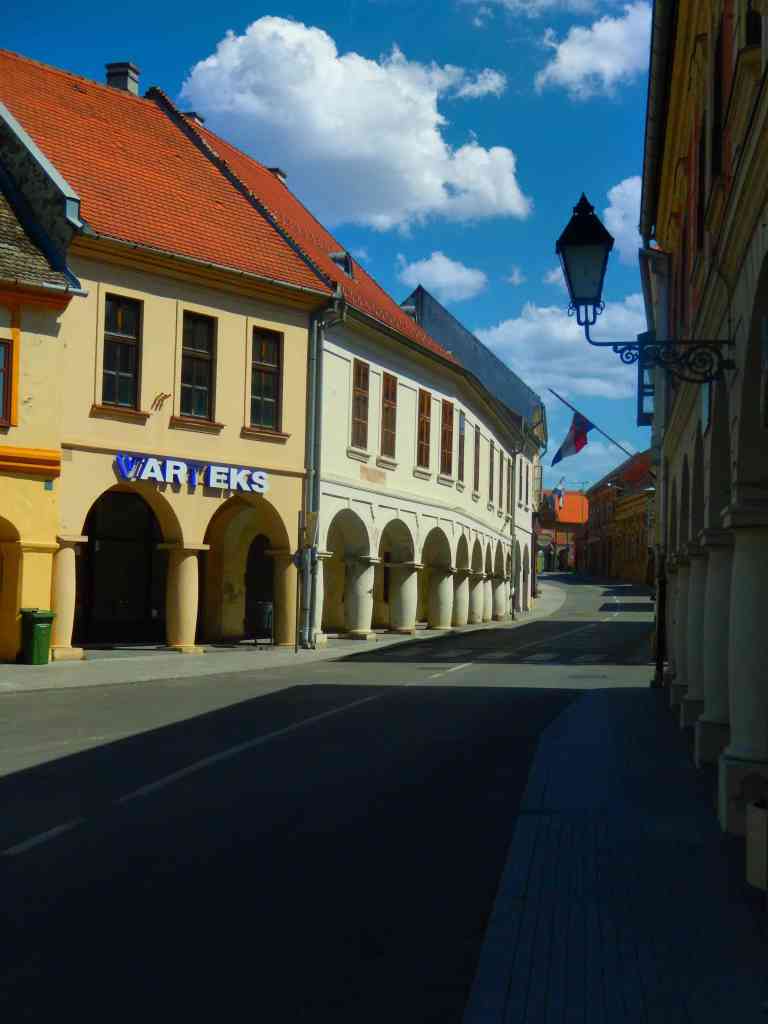
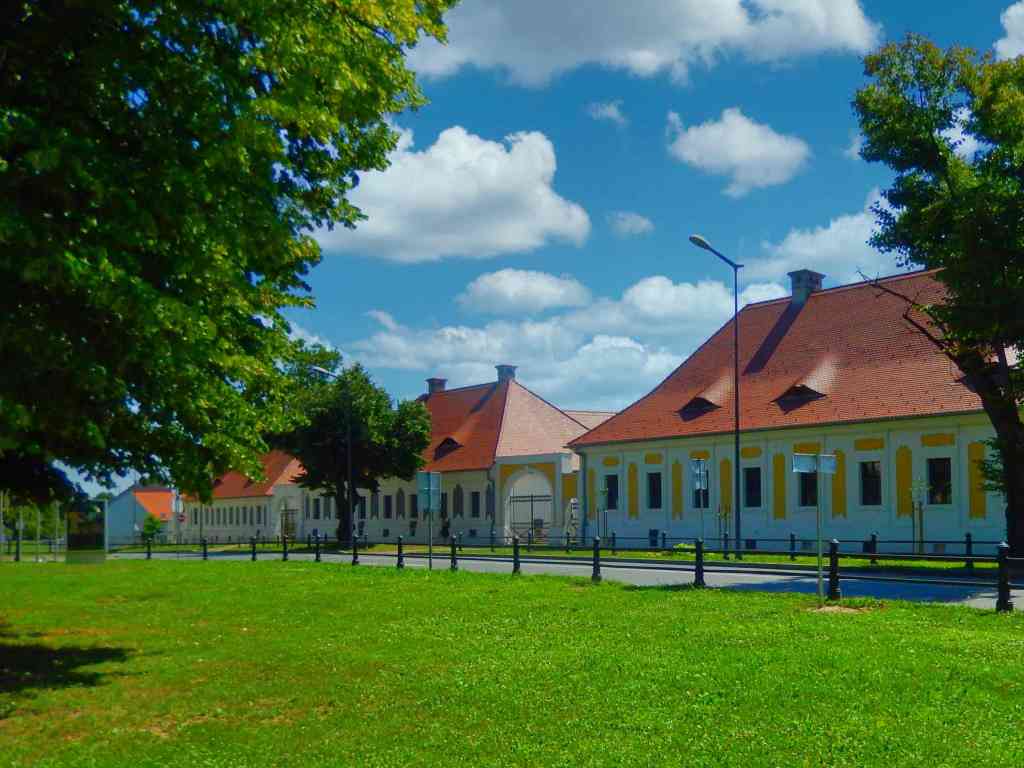
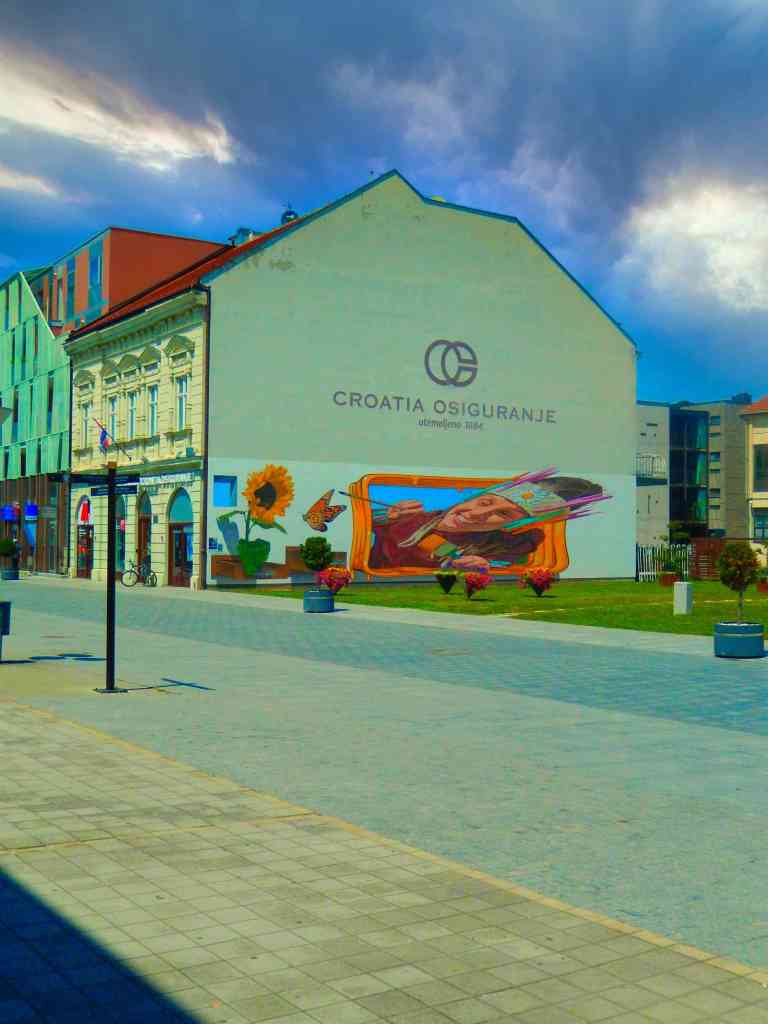
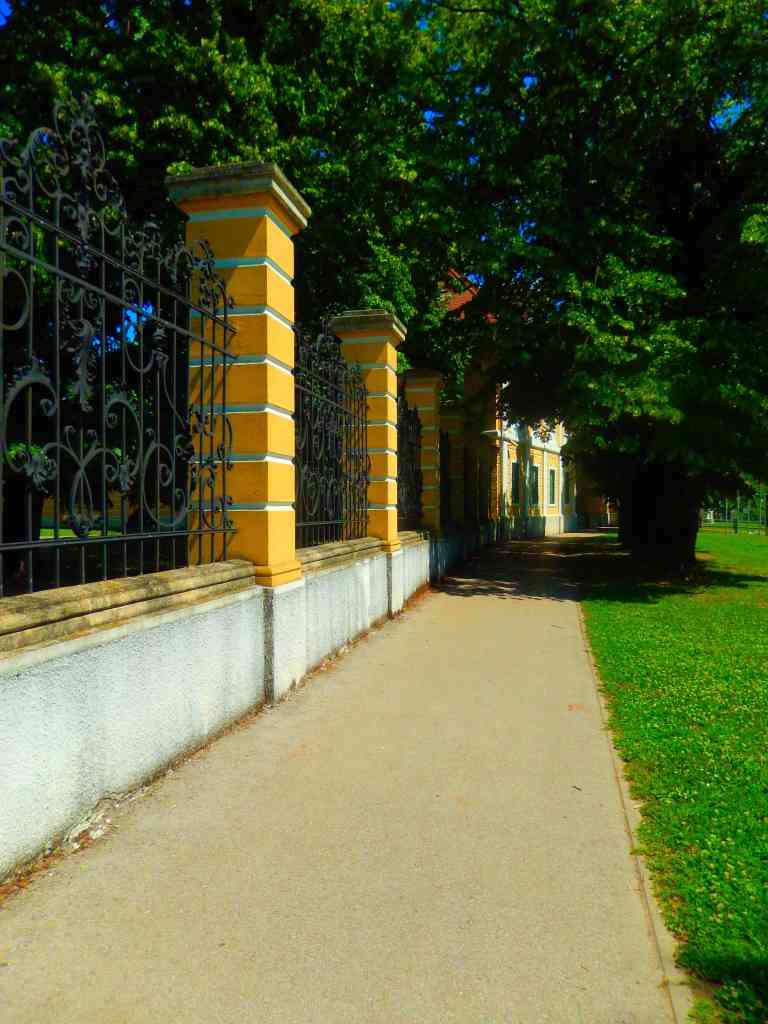
Shortly before leaving Croatia we found ourselves in the town of Vukovar on the Danube at the Serbian-Croatian border. A cute place with outdoor cafes, parks, several historic churches and a museum and it was getting ready for an annual film festival. We spent a few hours taking pictures, discussing points of interest with some locals and noted a number of half destroyed buildings around town. It was only on the next day when I was researching local geography and this town that I discovered we had missed something important.

A number of buildings have been left as memorials from the siege
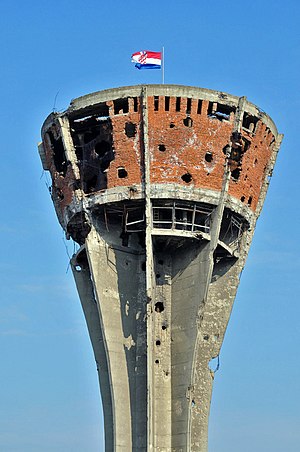
The remains of Vukovar’s famous water tower

In 1991 between August and November the Battle of Vukovar was an 87-day siege of the town in Croatia by the Yugoslav People’s Army, and by various paramilitary forces from Serbia. Before the Croatian War of Independence this town was one of the most mixed communities in the Balkans with Croats, Serbs, other ethnic groups and a sizable Muslim population. Serbia’s President Slobodan Milošević along with Croatia’s President Franjo Tuđman began fostering nationalist politics. In 1990, an armed insurrection was started by Serb militias in Croatia, supported by the Serbian government and paramilitary groups, who took control of Serb-populated areas of Croatia. The Yugoslav People’s Army got involved with the Serbs in Croatia and in May 1991 they launched a full-scale attack against Croatian-held territory in eastern Slavonia, focused on Vukovar.

Vukovar was defended by around 1,800 lightly armed soldiers of the Croatian National Guard and a couple of hundred civilian volunteers, against a force of 36,000 soldiers and Serbian paramilitaries equipped with heavy armor and artillery. During the battle, shells and rockets were fired into the town at a rate of up to 12,000 a day. At the time, it was the fiercest and most protracted battle in Europe since 1945, and Vukovar was entirely destroyed. When Vukovar fell on 18 November 1991, several hundred soldiers and civilians surrendered and were massacred by Serb forces and at least 20,000 inhabitants were driven out of the area. Overall, around 3,000 people died during the battle. Most of Vukovar was ethnically cleansed of its non-Serb population and became part of the self-declared proto-state Republic of Serbian Krajina. Several Serb military and political officials, including Milošević, were later indicted and in some cases jailed for war crimes committed during and after the battle of Vukovar.

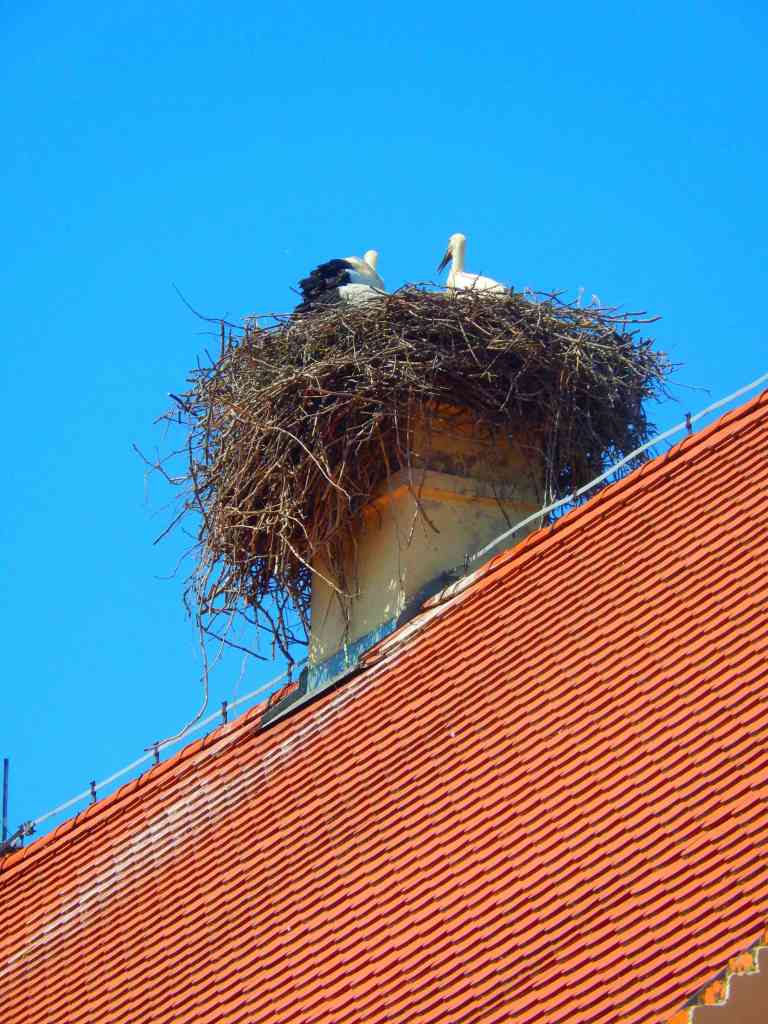
A Stork nest on a Vukovar rooftop