 The Rhône With Viking River Cruises
 The Rhône region of France extends from Marseille, through historic Avignon, Arles, the Roman city of Vienne, Lyon, France’s culinary heart and west of the Beaujolais wine region and includes dozens of quaint Provençal villages along its banks.
The Rhône River winds its way from Switzerland into France beginning at the Rhône Glacier in Valais, and flows to join the Saône River in the city of Lyon. From there it winds on past some of the region’s most significant landmarks with many dating back to the Roman era. Going on south past the Ardèche, the river moves past expanses of lavender and sunflower fields and past Avignon before it empties into the Mediterranean west of Marseille.
 Most people, when they think of France, picture Paris, the French Riviera – Cote d’Azur, the beaches of Normandy, but usually not Roman ruins and Medieval castles. It’s probably not on the short list of most peoples travel plans, but it should be. River cruising on the Rhône through the heart of France is an enjoyable experience. There’s a lot to see, the people where amazing and chances are you will learn some surprising history. You will discover Avignon, the “City of Popes,” and the historic Papal palace, see the massive Roman Colosseum of Arles, still hosting bull fights today, experience the ancient Roman city of Vienne and a number of riverside villages dating back almost a thousand years.
 Viking River Cruises
 We are long time cruisers but have come to river cruising just recently. In the Summer of 2019 we cruised for eight nights on the Viking Longboat Buri from Avignon to Lyon, France and both the ]boat and this region greatly exceeded our expectations. This was only our second river cruise and will probably not be our last. If you are an ocean cruiser and haven’t taken a river cruise before here’s what we see as the differences.
 Level of Service
Because the passenger compliment is counted in the dozens and not thousands the atmosphere is much more intimate and the staff seems a bit more focused on your individual needs. It is also easy to become quickly acquainted with a number of the staff and the quality of the wait-staff, servers, bar staff seems higher than our experience on cruise ships.
 Accommodations
The cabins are smaller compared to ocean staterooms but if you are like us and don’t spend time in your room this isn’t much of an issue. On our first river cruise we had booked a room with a balcony and decided this wasn’t worth the expense. Most evenings we tied up side-by-side with other longboats and when we opened our curtains we usually found the view being another stateroom only inches away.
 Life On Board
The boats lounge or the top deck is where you will spend most of your time on board. The lounge is the central gathering place and extends to a patio deck where breakfast and lunch can be enjoyed. The lounge usually features live music at lunch and in the evening features music for dancing.
 There aren’t any stage shows or swimming pool or gym but we assure you they won’t be missed and with walking tours most mornings you’ll still get some good exercise. A lot of people are fond of cruising because of the food and again river cruising will probably not disappoint. Also in the case of Viking they work very hard to expose their guests to tastes of the region being visited and also bring on local entertainment on a few occasion.
Stops Along The Rhône
 This particular cruise provides a number of interesting stops along the river which include;
Avignon
 Avignon, the “City of Popes” is normally the starting point for the cruises going north. This walled city’s name dates back to the 6th century BC. The first citation of Avignon (Aouenion) was made by Artemidorus of Ephesus. The historic walled city, which includes the Palais des Papes, the cathedral, and the Pont d’Avignon, became a UNESCO World Heritage Site in 1995. The Papal Palace, the medieval monuments and the annual Festival d’Avignon have helped to make the town a major center for tourism.
The Festival d’Avignon is an annual festival held every summer in July in the courtyard of the Palais des Papes and other locations in the city. Founded in 1947 it is the oldest festival in France and one of the world’s largest. In addition to the official festival, often hundreds of shows are presented in Avignon at the same time of the year adding to the festivities.
Arles
 Near to Avignon is Arles. The Arles Colosseum and Amphitheater are one of the most popular tourist attraction in this city. They were built around the 1st century BC and the Colosseum was capable of seating over 20,000 spectators on three tiers. Today it has been mostly restored and is home to regular bullfights. After the Roman Empire fell the amphitheater became a shelter for the population of Arles and the Colosseum was transformed into a fortress with four towers added on.
Vienne
Traveling north toward Lyon you will come to the ancient Roman city of Vienne. Before the arrival of the Romans, Vienne was the capital city of the  regions Gallic people. It was established as a Roman colony in 47 BC under Julius Caesar, with Vienne becoming a major Roman city, ideally located along the Rhône, a major transportation route. Numerous remains of Roman buildings are still visible in modern Vienne today.
For two weeks in July Vienne plays host to a jazz festival. It is recognized as one of the best jazz festivals in Europe, featuring way over 100 jazz musicians. With one of the most picturesque settings amongst Roman amphitheater structures the mostly outdoor music festival creates the perfect atmosphere for music lovers featuring full days and nights of the new and old sounds of jazz music.
 Nobody should spend time visiting this region of France without planning on sampling French wine. Some of the widely recognized names include Côtes du Rhône, Châteauneuf-du-Pape and Beaujolais. All within easy reach of the river with numerous tours leaving from the riverboats. Unlike many ocean cruise ships, the river boats usually tie up right in the center of towns within an easy walk to many sights. Most river cruises also include daily tours in the cost of the cruise and we really enjoyed this option. The atmosphere onboard a river cruise also strikes us as much more relaxed and accommodating even though we seemed to do less reading than on ocean cruises probably because our days were so full.

 variety of itineraries. There are a number of similarities in most itineraries with the two main embarkation ports being Barcelona and the port for Rome, Civitavecchia. Venice, Italy is another popular embarkation port with some cruises to the eastern Mediterranean sailing out of Piraeus, the seaport of Athens, Greece. Itineraries vary in length with cruises of around seven days usually including four or five ports of call, those of nine to eleven days make six to eight stops and fourteen day itineraries calling on up to ten ports.


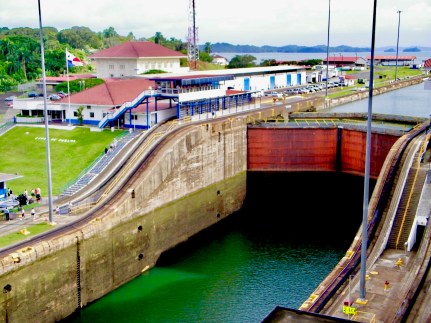
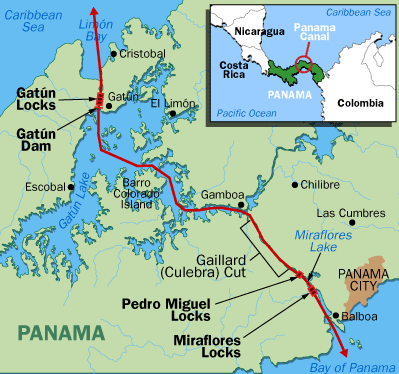
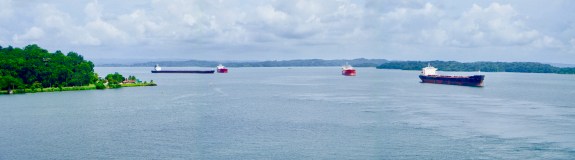
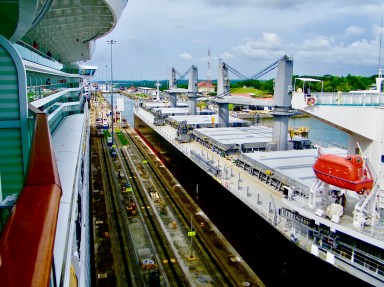


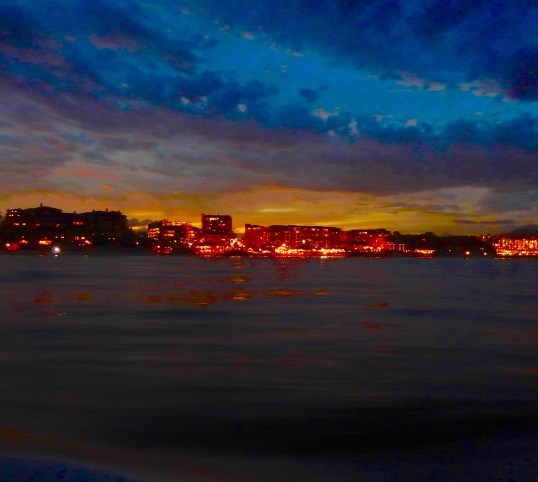
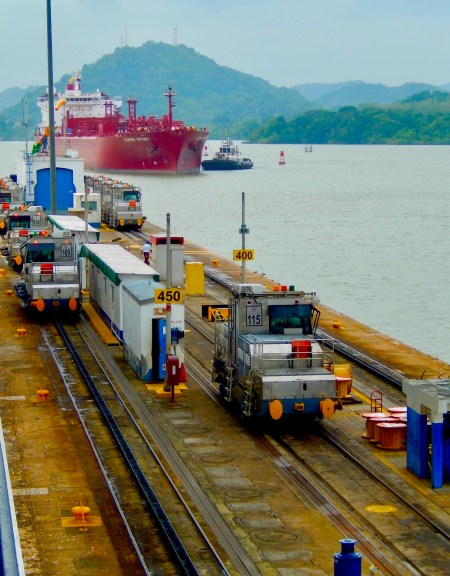
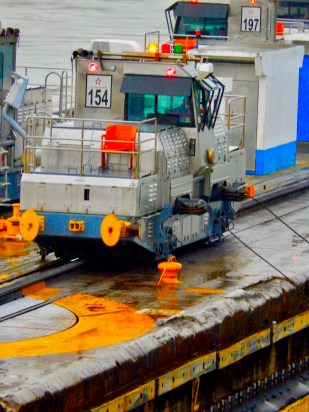
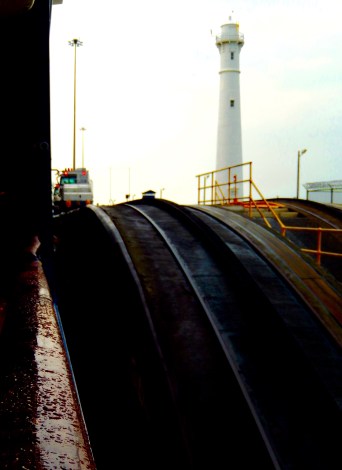 wares for sale with usually Kuna Indians from the San Blas Islands among the merchants. Many of the cruise ships require a quick paint touch-up at the exit dock to cover up numerous rubs and scrapes from the passage through the locks
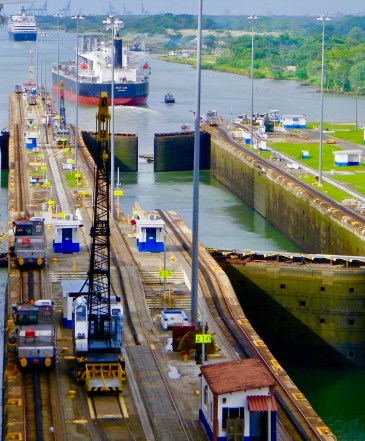 On September 7, 1977, President Jimmy Carter signed the Panama Canal Treaty and Neutrality Treaty promising to give control of the canal to the Panamanians in the year 2000. After Panama took control the Panama Canal Company started an expansion project. The expansion project started construction in 2007 and opened for commercial operation on 26 June 2016. The new locks allow transit of larger Post-Panamax and New Panamax ships, which have a greater cargo capacity than the original locks could accommodate. New Panamax ships will have a dimension of 1,200 ft (366 m) in length, 160.7 ft (49 m) in width and 49.9 ft (15.2 m) in depth. Unfortunately many of the cruise industries new mega-ships still cannot cruise the canal mainly because they are too tall to cruise under the bridge at the Pacific end of the canal.
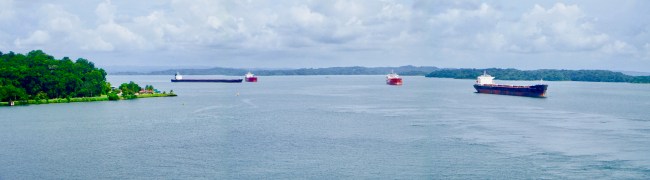 All-in-all this is a fascinating journey and one of the three or four best itineraries we’ve taken. The ports-of-call are an opportunity to visit a number of Central American countries and see some of this interesting region.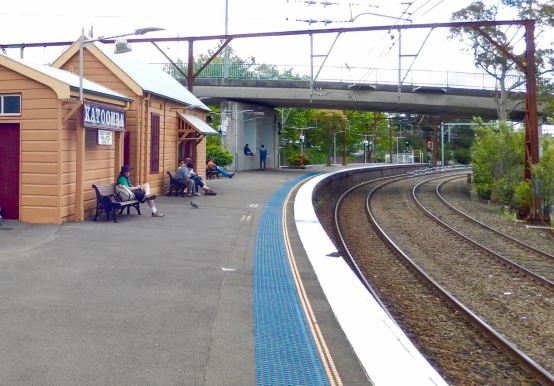
 hotel near Sydney’s Chinatown (the

 The town of Katoomba is the center of the Blue Mountains with a number of attractions nearby. Once in the Blue Mountains we booked the
 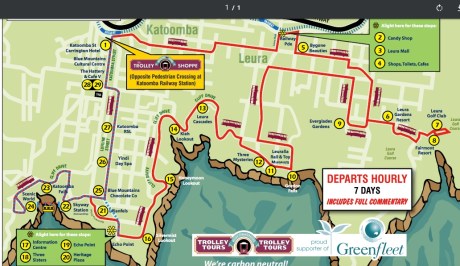 There are 29 stops which include Katoomba Falls, Echo Point, Three Sisters and Leura Cascades. There is a cable car ride (extra charge) and a complex at Scenic World with a café and a restaurant. There is also the


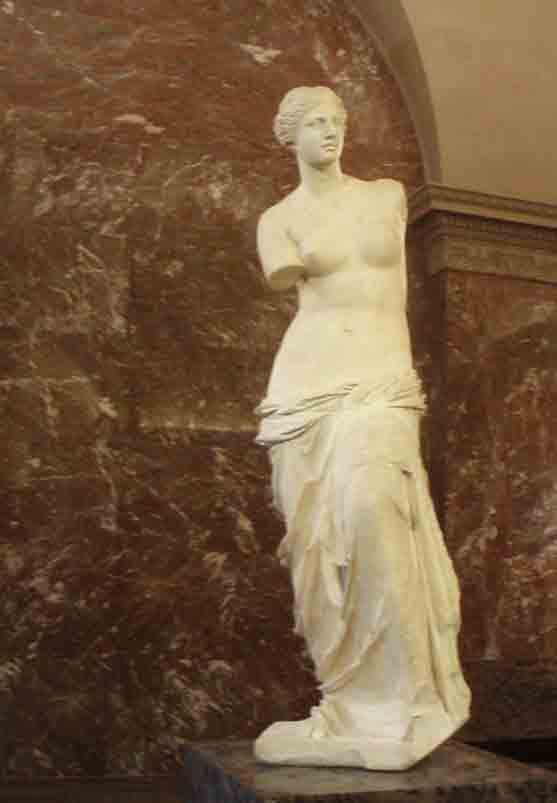
 Victory of Samothrace) and the Venus di Milo (an ancient Greek statue and one of the most famous works of ancient Greek sculpture). They were each in different galleries in the Louvre and Buchwald’s column claimed that nobody had yet entered the Louvre, looked at each piece and exited the museum in under four minutes, but the new record was near. It was a funny image offered up to American tourists visiting Paris but it had unintended consequences.


 middle of a Florida town. Not something you expect outside of Disney World. But on a recent drive through central Florida that is what we found in Ocala.
 park that includes an interesting museum. For the state of Florida this is almost ancient history. Early settlers, Seminole Wars, Andrew Jackson.
 Every state in America is noted for its tribes of American Indians that include Comanches, Blackfoot, Algonquin, Shaenee, Shoshone, Sioux and almost a hundred additional tribes. In Florida we recognize the Seminoles as our major Indian tribe, but who are they historically?
 Soon these new settlers were coming in conflict with the Seminoles and the government decided the situation needed a solution. In 1823 the Treaty of Moultrie Creek was signed between the United States and leaders of the Seminole Nation. That treaty had the Seminoles relocate to a large tract of land in what is now Central Florida. The treaty also prohibited white persons from entering or settling on those Seminole lands. The Ocala area was central to the Indian towns and the army built Fort King to assure that both sides kept the treaty.
 In a reversal of policy Congress passed The Indian Removal Act in 1830 at the urging of President Andrew Jackson who had fought the Seminoles in Florida and defeated the Creek Indians in 1814. This resulted in the forced negotiation of the controversial Treaty of Payne’s Landing requiring that the Seminoles be removed to new lands in what is now Oklahoma.

 Fort King was abandoned in May of 1836 in favor of Fort Drane built nearer the swamps where the Seminoles were hold up. Fort King was reoccupied in April of 1837. It served as a base for raids and in 1840 Captain Gabriel Rains of the 7th U.S. Infantry led 16 soldiers on a recon but were attacked by a Seminole war party. They managed to fight their way back to Fort King, with three men killed.
 The Intentional Travelers